

Industry News
 2026.06.10
 Industry News
If you're planning a flooring project — whether it's a single bedroom, a full office floor, or a large commercial space — carpet fabric rolls are one of the most practical and cost-effective options available. Sold by the linear foot or meter from a continuous roll, this format gives you far more flexibility than pre-cut rugs or carpet tiles. But shopping for roll carpet fabric isn't always straightforward. There are different materials, pile heights, backing types, and roll widths to consider. This guide walks you through everything you need to make a smart purchase.
Content
Carpet fabric rolls — also commonly called broadloom carpet — are large continuous lengths of carpet manufactured and stored on industrial rolls, typically ranging from 12 to 15 feet in width. The term "broadloom" itself refers to this wide-loom weaving format, which allows the carpet to cover large areas with minimal seaming. Unlike carpet tiles that come in fixed square pieces, roll carpet fabric is cut to your exact measurements on-site or at the supplier, giving you a seamless or near-seamless finish across an entire room or hallway.
Roll format carpets are used in a vast range of settings — residential bedrooms, living rooms, stairs, corporate offices, hotels, retail stores, and even event venues. The roll format also tends to be more economical per square foot compared to modular alternatives, especially for large, open-plan areas.
The fiber content of a carpet roll determines everything from its softness and durability to its stain resistance and price point. Here are the most widely used materials you'll encounter when shopping for carpet fabric rolls:
Nylon is the most popular synthetic fiber used in broadloom carpet rolls, and for good reason. It offers outstanding durability, excellent resilience (meaning it bounces back after foot traffic), and strong resistance to abrasion. Nylon carpet rolls are ideal for high-traffic residential areas like hallways, stairs, and family rooms, as well as busy commercial environments. They're also easy to dye, which is why nylon rolls come in the widest range of colors and patterns. The main downside is price — nylon carpet fabric tends to cost more than polyester or olefin alternatives.
Polyester carpet rolls have improved dramatically in quality over the past decade. They offer a soft, luxurious feel underfoot and excellent color clarity, making them a popular choice for bedrooms and low-to-medium traffic living spaces. Polyester is naturally stain-resistant to water-based spills, but it's less resilient than nylon — meaning it can flatten or mat in high-traffic zones over time. Many budget-friendly roll carpet fabric options are made from recycled PET, which is also a more environmentally conscious choice.
Polypropylene is the go-to material for moisture-prone areas. It's virtually waterproof, highly resistant to mold and mildew, and one of the most affordable carpet roll materials available. You'll find olefin carpet rolls frequently used in basements, garages, recreational rooms, and outdoor-covered areas. The trade-off is that polypropylene has lower resilience and can crush under heavy furniture or foot traffic more quickly than nylon.
Wool carpet rolls represent the premium end of the market. Wool is a natural fiber that's inherently soft, durable, and temperature-regulating. It's also naturally flame-resistant and doesn't release harmful chemicals when heated. Wool broadloom carpet is typically found in upscale residential settings, luxury hotels, and heritage buildings. The major drawbacks are cost (significantly higher than synthetics) and sensitivity to moisture if not treated properly. Still, a well-maintained wool carpet roll can last 20–30 years, making it a worthwhile investment in the right context.
Blended carpet rolls combine the natural comfort of wool with the added durability of nylon. An 80% wool / 20% nylon blend is particularly common and strikes an excellent balance between luxury feel and practical performance. These are popular in mid-to-high-end residential and hospitality applications.
Understanding roll widths is critical when planning any carpet installation. Here's a quick reference for standard carpet roll widths and their typical uses:
| Roll Width | Common Use | Notes |
| 12 ft (3.66 m) | Residential rooms, hallways | Most common width; fits most standard rooms |
| 13.2 ft (4 m) | European residential & commercial | Popular in European markets |
| 15 ft (4.57 m) | Large rooms, open-plan offices | Reduces seams in wide spaces |
| 6 ft (1.83 m) | Stair runners, narrow corridors | Less common; specialty applications |
Choosing the right roll width can significantly reduce material waste and the number of seams in your installation. For example, if your room is 11 feet wide, a 12-foot roll allows you to cover it with zero seams and minimal waste. Going with a narrower roll would require joining two pieces, which adds labor and can be visible over time.
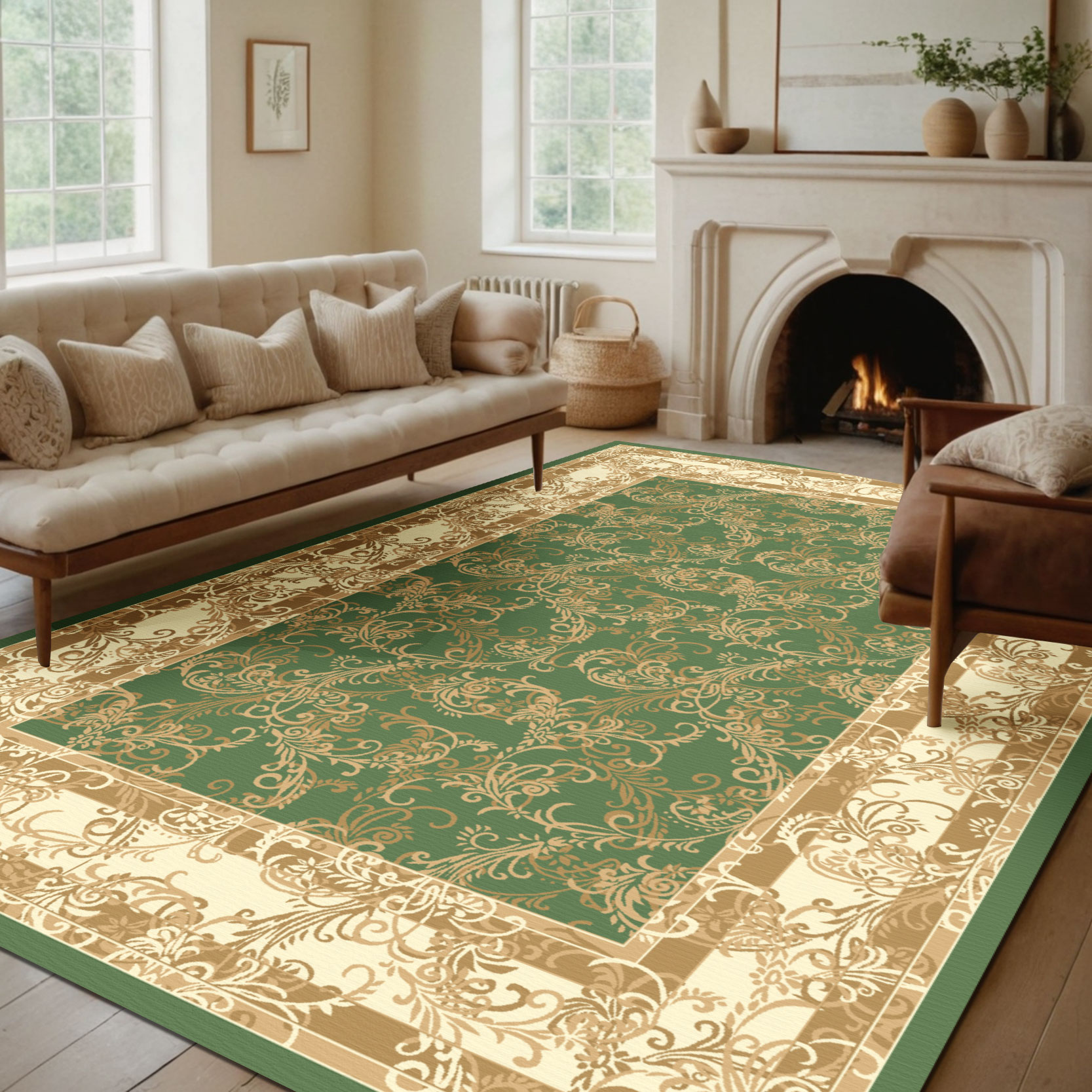
The "pile" refers to the surface texture of the carpet — how the fibers are cut or looped at the top. Different pile styles affect appearance, comfort, and maintenance requirements significantly.
The backing of a carpet roll is the foundation that holds the fibers in place and determines how the carpet is installed. Most carpet fabric rolls use a two-layer backing system: a primary backing (where the fibers are tufted into) and a secondary backing (glued onto the underside for added stability).
Common secondary backing materials include jute (natural and eco-friendly but sensitive to moisture), action bac (a woven polypropylene that's lightweight and resistant to moisture), and polyurethane foam (used in cushion-backed carpet rolls, which combine the carpet and underpad in one layer — great for DIY installations as they don't require a separate underlay).
For most standard installations, carpet rolls are installed over a separate foam or rubber underlay, which adds cushioning, improves insulation, and extends carpet life. However, cushion-backed carpet rolls are a popular choice for basement installations, trade show booths, and event flooring where convenience matters more than longevity.
Accurate measurement before purchasing carpet fabric rolls can save you a significant amount of money and avoid mid-project shortfalls. Follow these steps:
Carpet rolls are available through flooring specialty stores, home improvement chains, carpet wholesalers, and increasingly through online suppliers. When buying online, always request samples before committing to a large order — color and texture can look very different on screen than in person under your home's lighting conditions.
When evaluating roll carpet fabric options, pay attention to the following specifications listed on the product label or data sheet:
While the same roll carpet fabric formats are used in both settings, commercial carpet rolls and residential carpet rolls are engineered with different priorities. Commercial-grade rolls prioritize durability, ease of maintenance, and compliance with fire and safety standards. They typically have a lower pile height, higher face weight, and are made from tightly woven nylon or polypropylene. Many commercial rolls also feature modular-style patterns that disguise wear and make seam repairs less visible.
Residential carpet fabric rolls, on the other hand, prioritize comfort, warmth, and aesthetic variety. They often come in softer fibers, higher pile heights, and a much wider selection of colors and textures. If you're buying carpet rolls for a home office that doubles as a workspace, it's worth considering a mid-grade commercial option — you'll get better wear without sacrificing too much comfort.
Buying carpet fabric rolls is a significant investment, and a little preparation goes a long way. Always measure twice, order with at least 10% extra for waste, and request physical samples before committing. Match the material and pile type to the specific room's demands — don't put a plush polyester roll in a busy commercial hallway, and don't waste a premium nylon roll on a storage room. Pay attention to backing type, especially if moisture is a concern, and factor in the cost of underlay and installation when budgeting. The right carpet roll, properly installed and maintained, can look and perform beautifully for a decade or more.

ADD: No.75 Zhenyuan Road, Yuecheng District, Shaoxing City, Zhejiang Province, China 312000

Tel : +86-189 6750 9795

FAX : +86-0575-8803 2773

Email : fisher@benetextile.com

Copyright © Zhejiang Benyi Textile Technology Co., Ltd. All Rights Reserved. Carpets and Rugs Manufacturer

 English
 Français
 Deutsch
 عربى
عربى