

Industry News
 Home / News / Industry News / The Washable Rug: A Paradigm Shift in Floor Covering Engineering and Domestic Hygiene
  2026.08.04
 Industry News
For centuries, the rug was a sacred, static object—a heirloom to be protected, a delicate investment shielded from the sun, the soil, and the spill. The very notion of submerging a decorative floor covering in water was tantamount to textile heresy. Yet, the advent of the washable rug has dismantled this orthodoxy, ushering in a new epoch where floor textiles are no longer passive decorative layers but active, hygienic components of the modern domestic ecosystem. The washable rug is not a compromise; it is a recalibration of priorities, marrying the aesthetics of interior design with the unforgiving rigor of material science and contemporary lifestyle demands.
Content
The operational viability of the washable rug hinges entirely on the molecular stability of its constituent fibers. Unlike traditional wool or silk, which undergo irreversible felting, shrinkage, and dye migration when exposed to aqueous agitation, the washable rug exploits the hydrophobic nature of advanced polymers. Polypropylene (olefin) and solution-dyed polyester (PET) dominate this category. Their critical advantage lies in the coloration process: the pigment is injected into the molten polymer before extrusion, ensuring that the chromatic identity resides within the core of the fiber rather than as a superficial coating. This intrinsic coloration renders the rug impervious to chlorine bleach and oxidative fading, allowing it to withstand dozens of wash cycles without perceptible spectral degradation.
Simultaneously, a secondary category has emerged utilizing treated cotton and linen in flat-weave constructions. These cellulosic fibers, when mercerized and pre-shrunk through compressive shrinkage processes, acquire a dimensional stability that mitigates the distortion typically induced by moisture. The choice between these substrates dictates the rug's behavioral profile: synthetics excel in stain resistance and rapid drying, while natural fibers offer superior breathability and a matte, organic hand-feel that synthetics struggle to replicate.
The architectural design of a washable rug diverges fundamentally from its high-pile cousins. To facilitate efficient water penetration and detergent extraction, these rugs universally adopt a low-profile construction—typically a flat-weave (kilim-style) or a low-loop berber, with a pile height seldom exceeding 6 to 8 millimeters. This shallow topography prevents the entrapment of particulate soil within a dense matrix; debris remains on the surface, easily dislodged by vacuuming or hydraulic pressure during washing.
Critically, the backing system distinguishes a genuinely washable rug from a mere water-resistant one. Traditional latex or woven secondary backings delaminate when exposed to the centrifugal forces of a spin cycle. The washable alternative employs a flexible, pressure-bonded synthetic mesh or a non-slip TPE (thermoplastic elastomer) coating that is ultrasonically welded to the primary cloth. This integration ensures that the differential expansion rates between the face yarns and the backing remain synchronized during thermal fluctuations, eliminating the risk of bubbling, rippling, or dimensional warping that plagues inferior hybrids.
The true value proposition of the washable rug resides not in convenience, but in clinical hygiene. Traditional rugs are notorious reservoirs for the "indoor biome"—they harbor dust mites, pet dander, fungal spores, and the bacterial biofilms that proliferate in the humid microclimate between the pile and the underlay. Vacuuming, regardless of HEPA filtration, is mechanically incapable of eradicating these biological contaminants; it merely agitates surface debris while leaving deeper inoculums intact.
The washable rug introduces a chemical and thermal intervention that is biologically decisive. A standard 40°C to 60°C machine cycle, combined with the mechanical shear of water flow, lyses bacterial cell walls and denatures the proteins that constitute allergens. For households with asthmatic or atopic members, the ability to execute a complete biological reset on a bi-weekly basis fundamentally alters the indoor air quality equation. It transforms the floor from a passive collection zone into a sanitized surface, rivaling the cleanability of hard flooring while preserving the thermal and acoustic insulation of textiles.
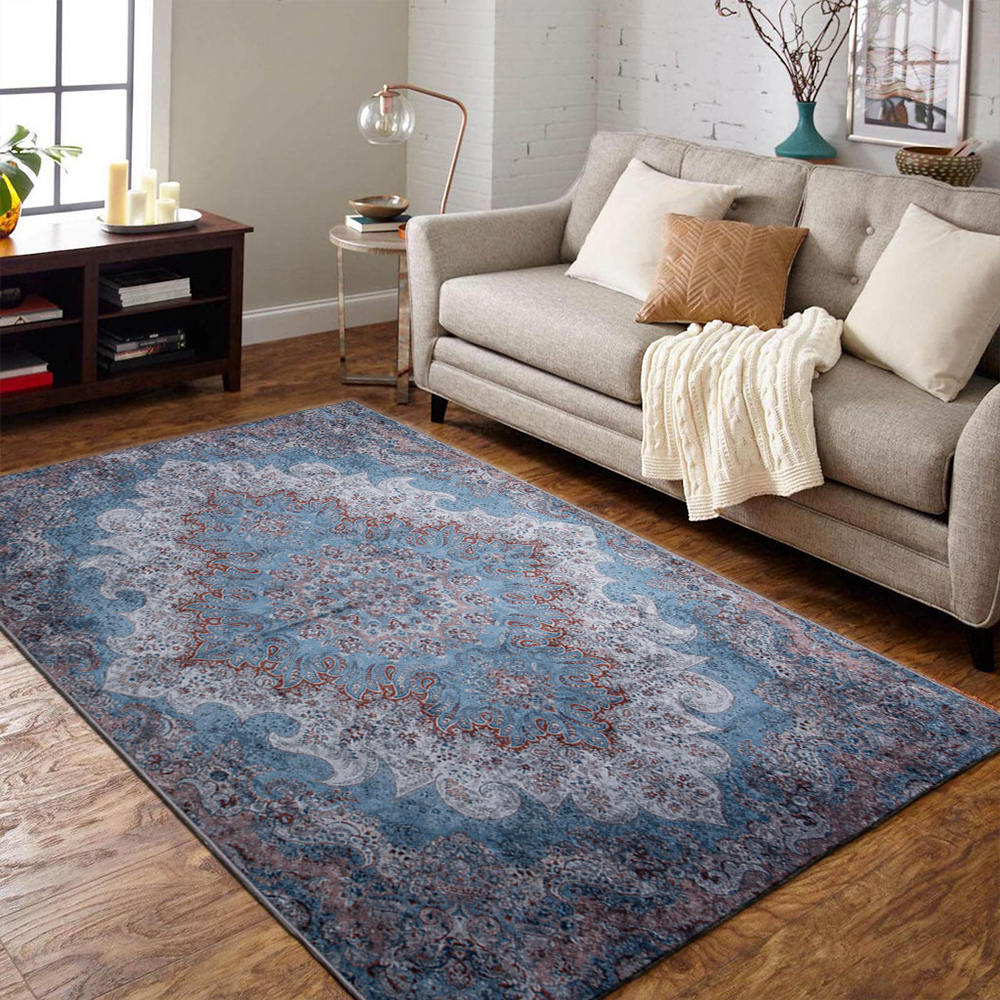
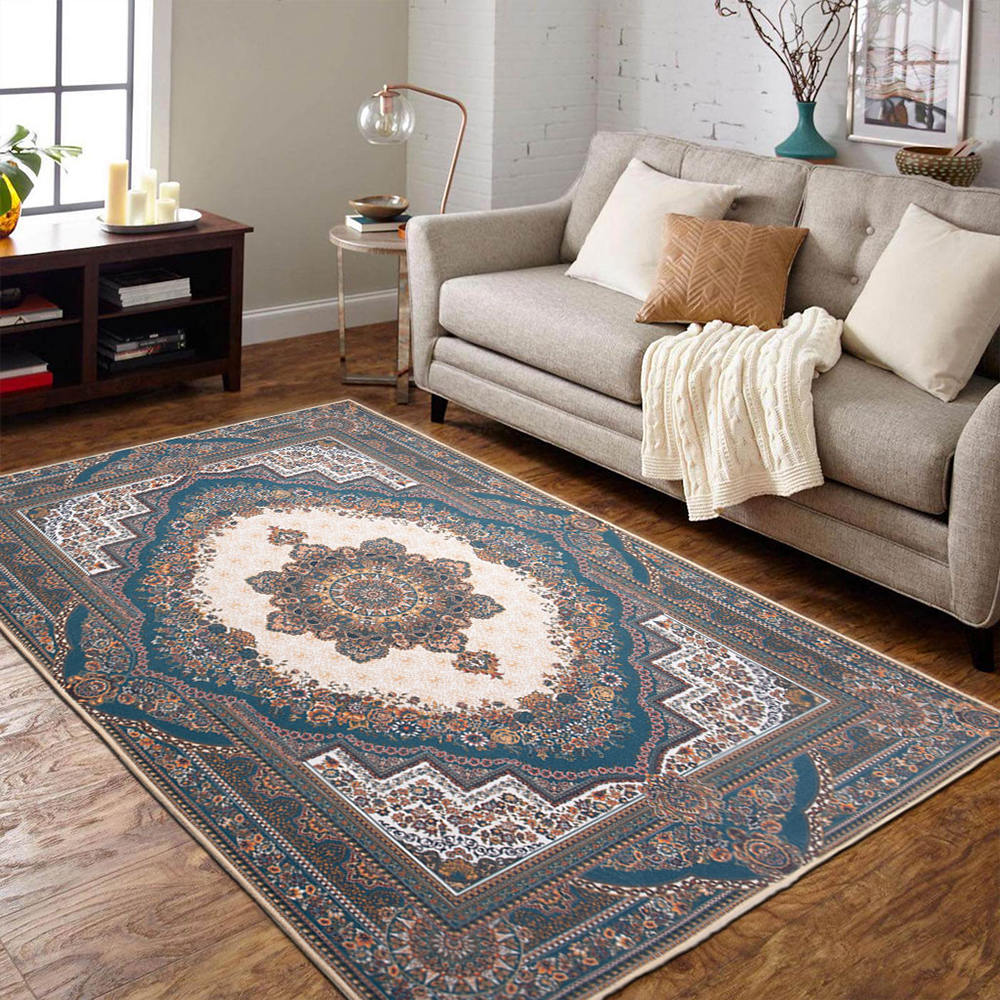
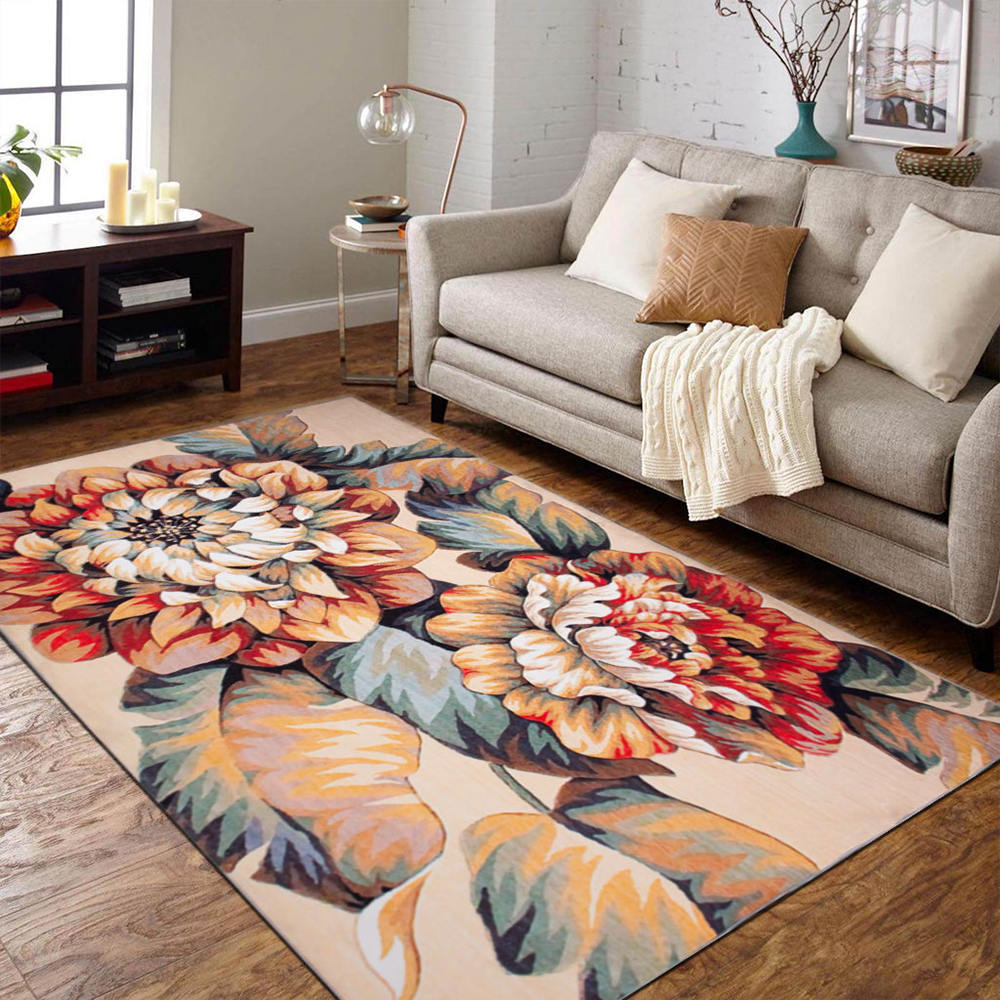
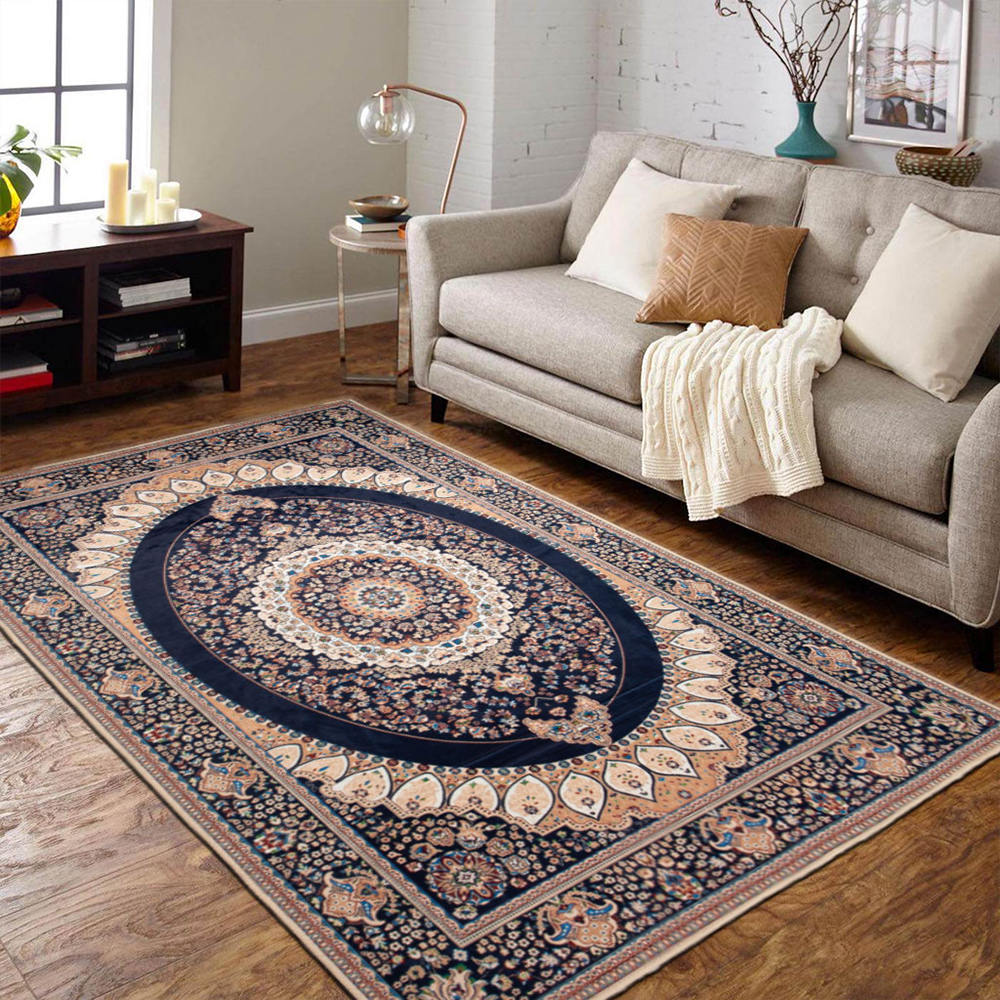
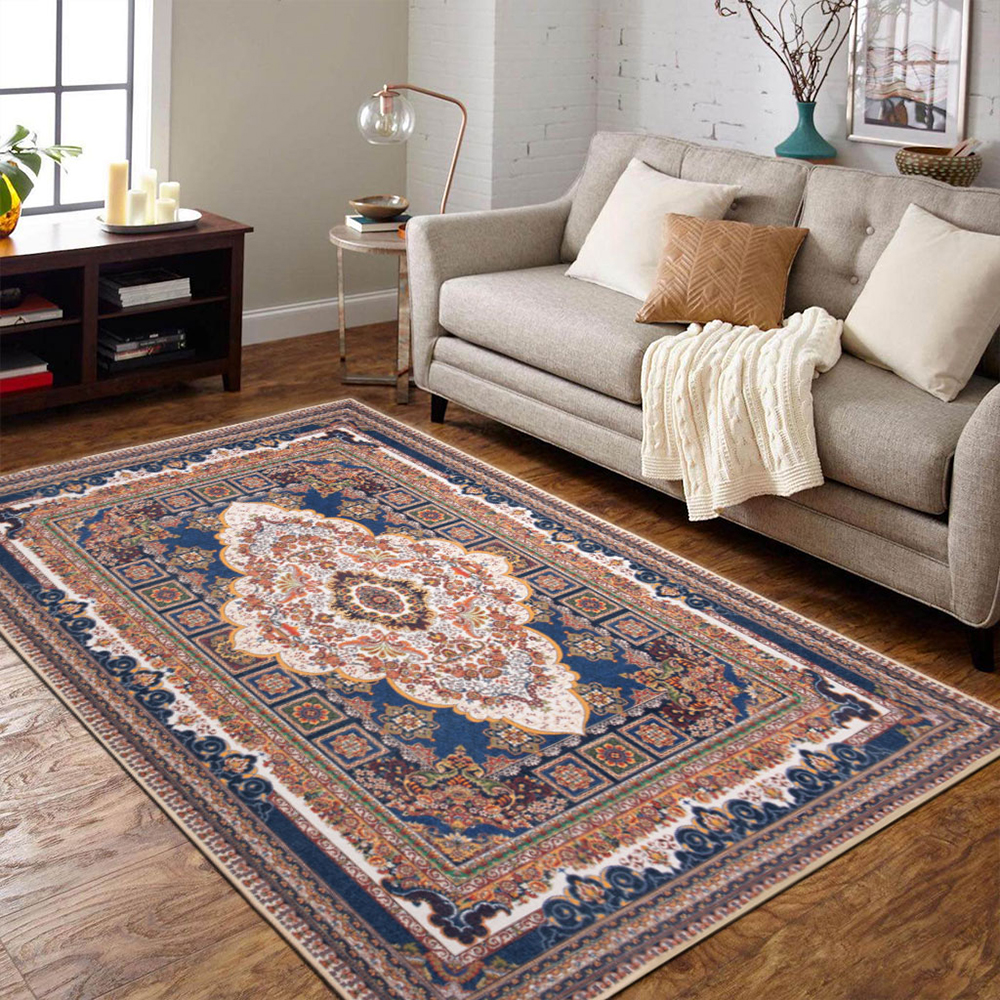
Critics of the washable rug have historically pointed to a perceived aesthetic deficit—a tendency toward flat, repetitive patterns and a stiffness reminiscent of industrial matting. However, recent advances in digital direct-jet printing have closed this gap significantly. Using reactive dyes and high-resolution nozzles, manufacturers can now imprint photorealistic gradients, abstract watercolors, and intricate Oriental-inspired motifs onto the synthetic canvas. The limitation remains in texture; the washable rug cannot offer the sculptural relief or the deep, shadowy crevices of a high-pile wool carpet. It compensates for this tactile flatness with chromatic vibrancy and edge-to-edge uniformity.
Functionally, these rugs have colonized specific spatial niches with remarkable efficacy. In the transitional zone—the mudroom, the entry foyer, and the kitchen galley—they act as sacrificial layers, absorbing the thermal shock of tile and the moisture of wet footwear. In pediatric and pet-owning environments, they allow for the immediate remediation of biological fluids, preventing stains from setting via a simple cold-water rinse. Even in commercial hospitality settings, boutique hotels are deploying washable runners in high-turnover corridors, rotating them daily to maintain a curated freshness that conventional broadloom cannot sustain.
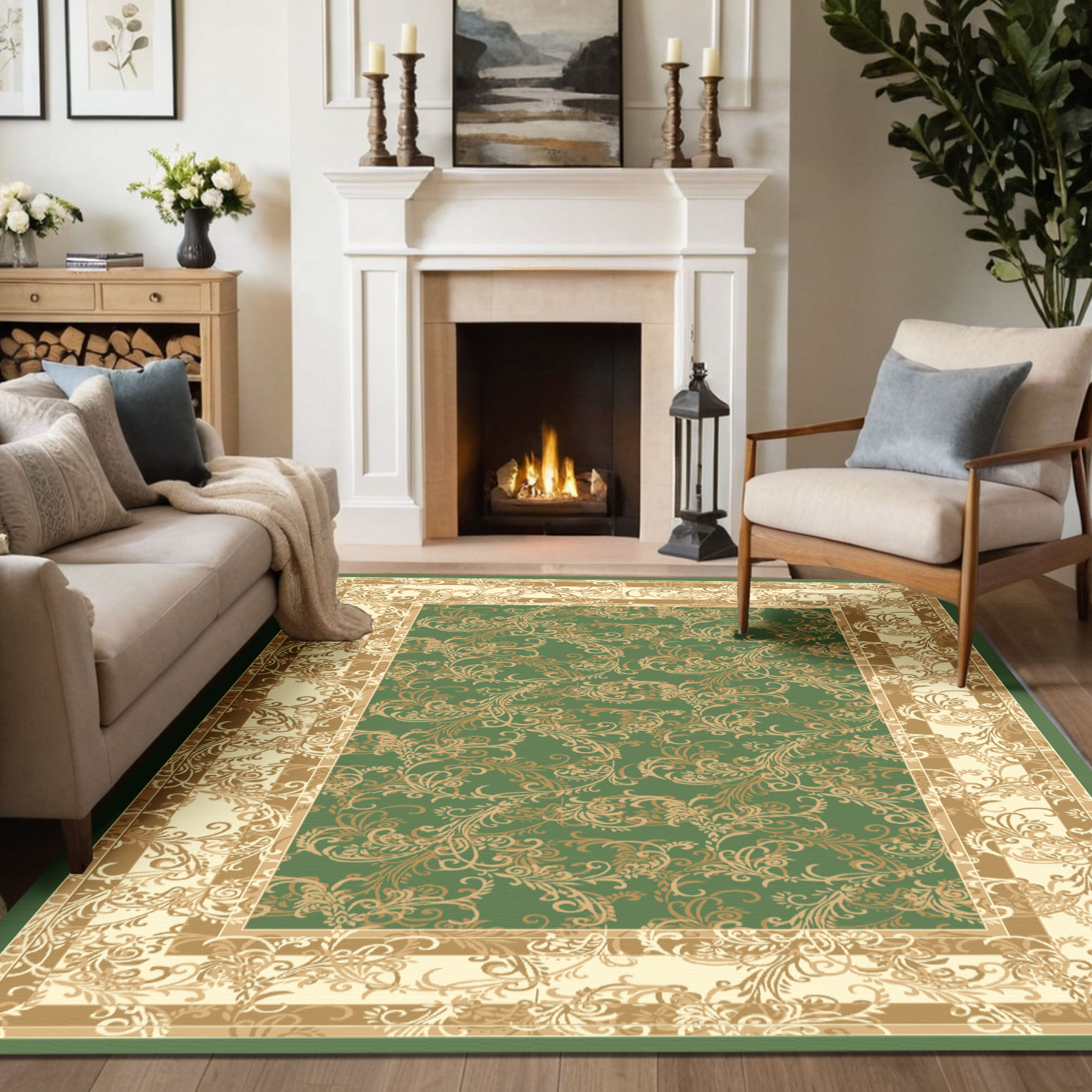
To maximize the functional lifespan of a washable rug, one must adhere to a strict thermodynamic protocol. Cold or lukewarm water is the universal solvent of choice; hot water, while sanitizing, risks activating residual optical brighteners present in synthetic fibers, which can lead to a subtle, cumulative yellowing. The detergent must be free of fabric softeners and whiteners—these cationic surfactants coat the synthetic fibers, creating a sticky residue that actually attracts soil in subsequent cycles. A mild, neutral pH liquid detergent is the gold standard.
Regarding drying, the empirical rule is to avoid high heat. The rapid evaporation of moisture from synthetic fibers requires airflow rather than temperature. Air-drying or tumble-drying on a delicate, no-heat cycle preserves the tensile strength of the yarns. One must also account for the "creep" factor—the slight shrinkage that occurs in the first three washes as the yarns relax into their final crystalline state. Specifying an initial buy-size that is 2% to 3% larger than the intended area compensates for this settling period.
Ultimately, the washable rug represents a profound philosophical departure from the curatorial approach to home textiles. It replaces the anxiety of permanence with the freedom of impermanence. The homeowner is liberated from the tyranny of the "no-shoe" policy and the frantic, spot-cleaning dance that accompanies a spilled Cabernet. It democratizes luxury; a washable rug does not have to be the most expensive object in the room to be the most responsible one. It acknowledges that our homes are not static museums but dynamic, living environments where function and form must coexist not in opposition, but in symbiotic reconciliation. The washable rug is, in essence, the intelligent textile for the intelligent age—forgiving, resilient, and unapologetically clean.

ADD: No.75 Zhenyuan Road, Yuecheng District, Shaoxing City, Zhejiang Province, China 312000

Tel : +86-189 6750 9795

FAX : +86-0575-8803 2773

Email : fisher@benetextile.com

Copyright © Zhejiang Benyi Textile Technology Co., Ltd. All Rights Reserved. Carpets and Rugs Manufacturer

 English
 Français
 Deutsch
 عربى
عربى