

Industry News
 2026.08.28
 Industry News
Content
When people start planning a renovation, flooring carpet is often overlooked in favor of hardwood or tile. But carpet still offers benefits that hard flooring simply can't match. It's soft underfoot, warmer in cold months, and it absorbs sound far better than any hard surface. For bedrooms, living rooms, and family spaces where comfort matters most, carpet flooring remains one of the most practical and budget-friendly options available. It also comes in an enormous range of colors, textures, and pile heights, making it easy to match almost any design style, from cozy farmhouse to sleek modern.
Beyond comfort, carpet flooring has a real safety advantage. It provides cushioning that reduces the impact of falls, which is especially helpful in homes with young children or elderly family members. It also tends to be quieter to walk on and can help insulate a room, potentially lowering heating costs during winter. These practical benefits are why so many homeowners still choose carpet for at least part of their home, even as hard flooring trends dominate design magazines.
Not all carpet is created equal. The fiber material used determines how the carpet feels, how long it lasts, and how much it costs. Understanding these differences before you shop will save you time and help you avoid buyer's remorse.
| Material | Best For | Durability | Price Range |
| Nylon | High-traffic areas | Excellent | Mid to High |
| Polyester | Bedrooms, low-traffic rooms | Good | Low to Mid |
| Wool | Luxury living spaces | Very Good | High |
| Olefin | Basements, damp areas | Fair to Good | Low |
Nylon is generally considered the gold standard for durability and stain resistance, which is why it's so common in homes with kids or pets. Polyester carpet flooring feels soft and comes in vibrant colors but tends to flatten faster under heavy foot traffic. Wool is a natural, premium option prized for its texture and eco-friendly appeal, though it comes with a higher price tag. Olefin, also called polypropylene, resists moisture well, making it a solid pick for basements or areas prone to humidity.
Choosing the right carpet flooring isn't just about style, it's about function. Different rooms have different demands, and picking the wrong type can lead to premature wear or maintenance headaches.
Bedrooms see relatively light foot traffic, so this is the perfect place for a plush, high-pile carpet. A soft polyester or wool blend feels wonderful under bare feet and adds a cozy, hotel-like atmosphere to the space.
These rooms handle constant activity, from kids playing to guests visiting, so durability matters most. A nylon carpet with a medium pile height strikes the right balance between comfort and long-term performance.
These high-traffic zones need a tightly looped, low-pile carpet that resists crushing and matting. A dense weave also reduces slipping, which is an important safety consideration on stairs.
Because basements are prone to moisture, olefin or a carpet tile system designed for below-grade installation is usually the safer bet, since it resists mold and mildew better than natural fibers.
Many homeowners focus entirely on the carpet itself and forget about the padding underneath, but padding plays a huge role in how the carpet feels and how long it lasts. A quality pad absorbs impact, reduces wear on the carpet fibers, and adds an extra layer of insulation and sound dampening. Skimping on padding to save money often backfires, since even the best carpet flooring will wear out faster without proper support underneath.
Installation matters just as much. Poorly stretched carpet can develop wrinkles and bumps over time, creating tripping hazards and an uneven appearance. While some homeowners attempt DIY installation to save money, professional installers have the tools and experience to stretch carpet properly, seam it invisibly, and finish edges cleanly around doorways and vents. For most people, hiring a professional is worth the investment, especially for larger rooms or homes with irregular layouts.
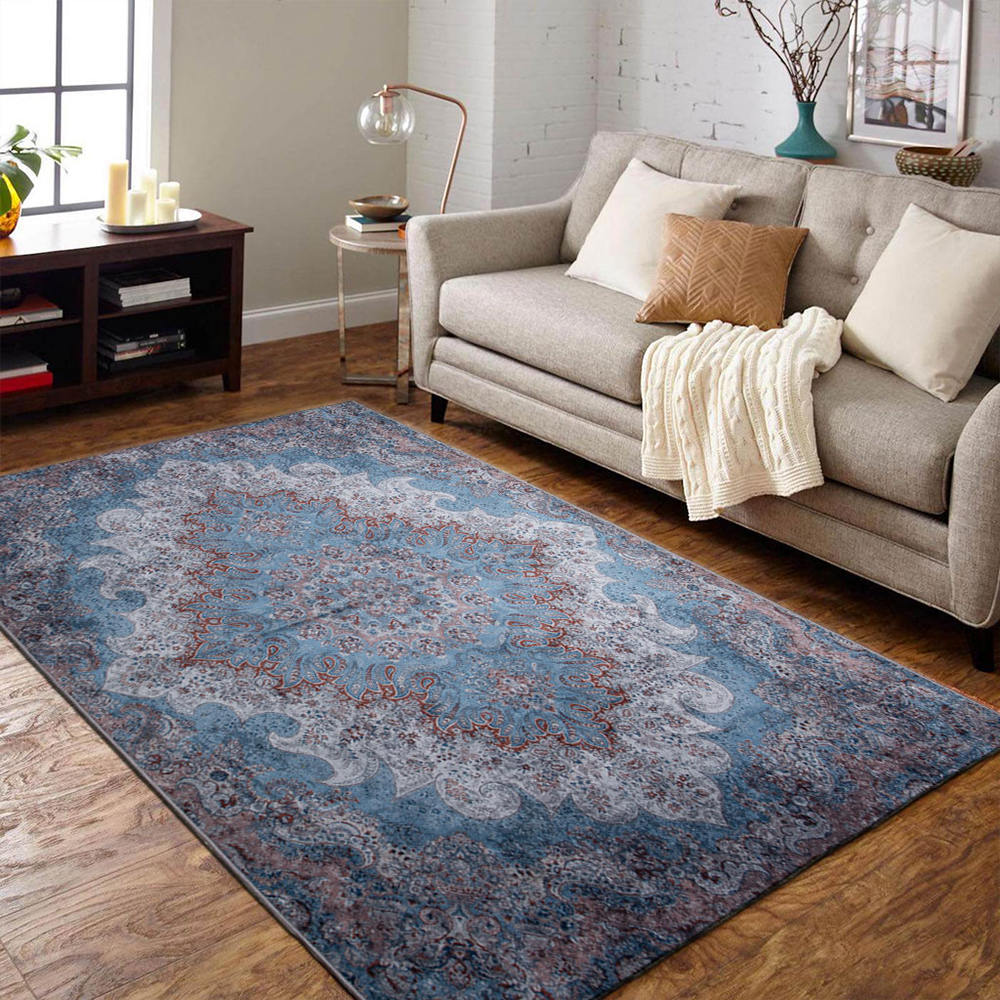
Budget is often the deciding factor when choosing flooring carpet, and it's important to think beyond just the sticker price. Cheaper carpet may save money upfront but could need replacement much sooner than a higher-quality option, making it more expensive over the long run.
When budgeting for a flooring carpet project, always request quotes that include padding, installation, and disposal of old flooring, since these extras can add up quickly and catch homeowners off guard if not planned for in advance.
Regular maintenance is the single biggest factor in how long your carpet flooring stays looking fresh. Fortunately, most upkeep is simple and doesn't require special skills or expensive equipment.
Following these habits consistently can extend the life of your carpet by several years, protecting the investment you made in your flooring.
Even well-intentioned homeowners make mistakes when choosing or caring for carpet flooring. Avoiding these common pitfalls can save both money and frustration down the road.
One frequent mistake is choosing carpet color and texture based purely on trends rather than lifestyle. A light, plush carpet might look stunning in photos, but it can quickly show dirt and wear in a busy household with kids or pets. Another common error is neglecting to test carpet samples in the actual room lighting, since colors can look dramatically different under natural versus artificial light. Finally, many people wait too long between cleanings, allowing dirt and grit to work deep into the fibers where it acts like sandpaper, wearing down the carpet from the inside out. Being mindful of these details from the start will help your carpet flooring stay beautiful and functional for years to come.

ADD: No.75 Zhenyuan Road, Yuecheng District, Shaoxing City, Zhejiang Province, China 312000

Tel : +86-189 6750 9795

FAX : +86-0575-8803 2773

Email : fisher@benetextile.com

Copyright © Zhejiang Benyi Textile Technology Co., Ltd. All Rights Reserved. Carpets and Rugs Manufacturer

 English
 Français
 Deutsch
 عربى
عربى