

Industry News
 2026.09.03
 Industry News
Content
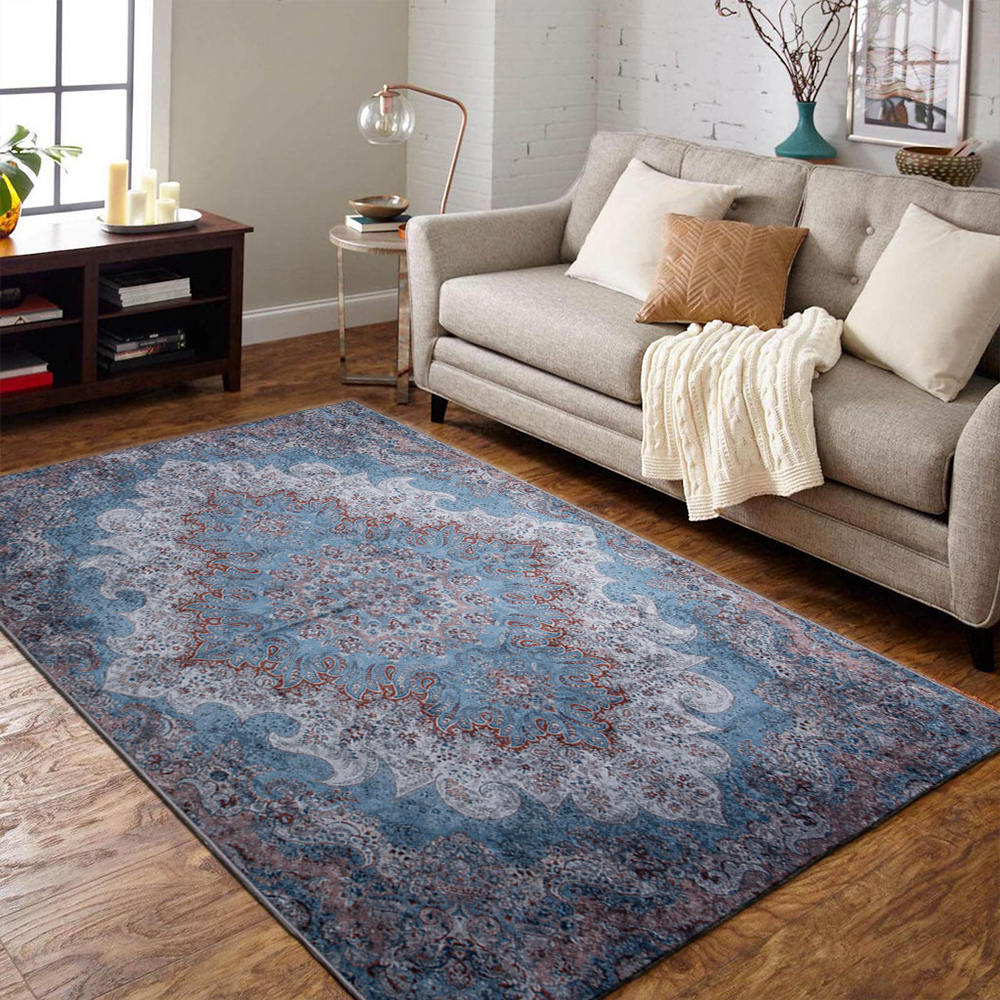
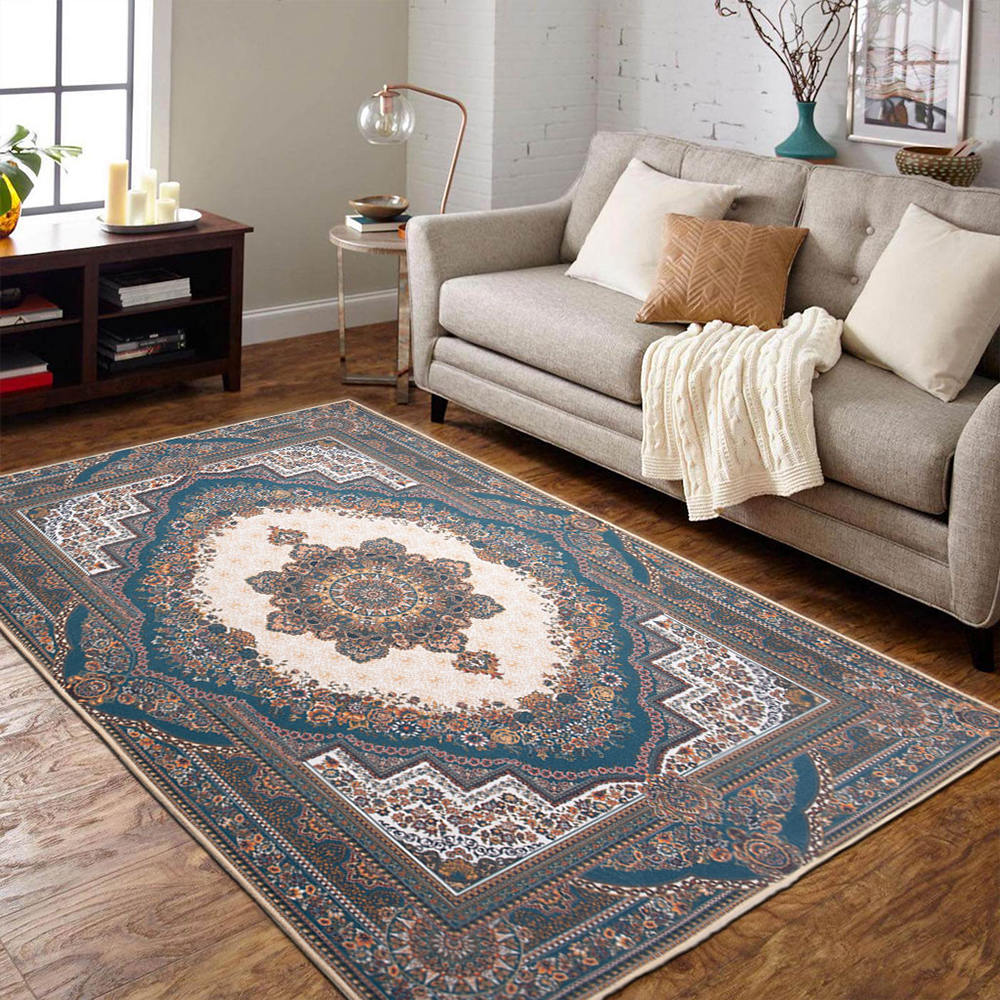
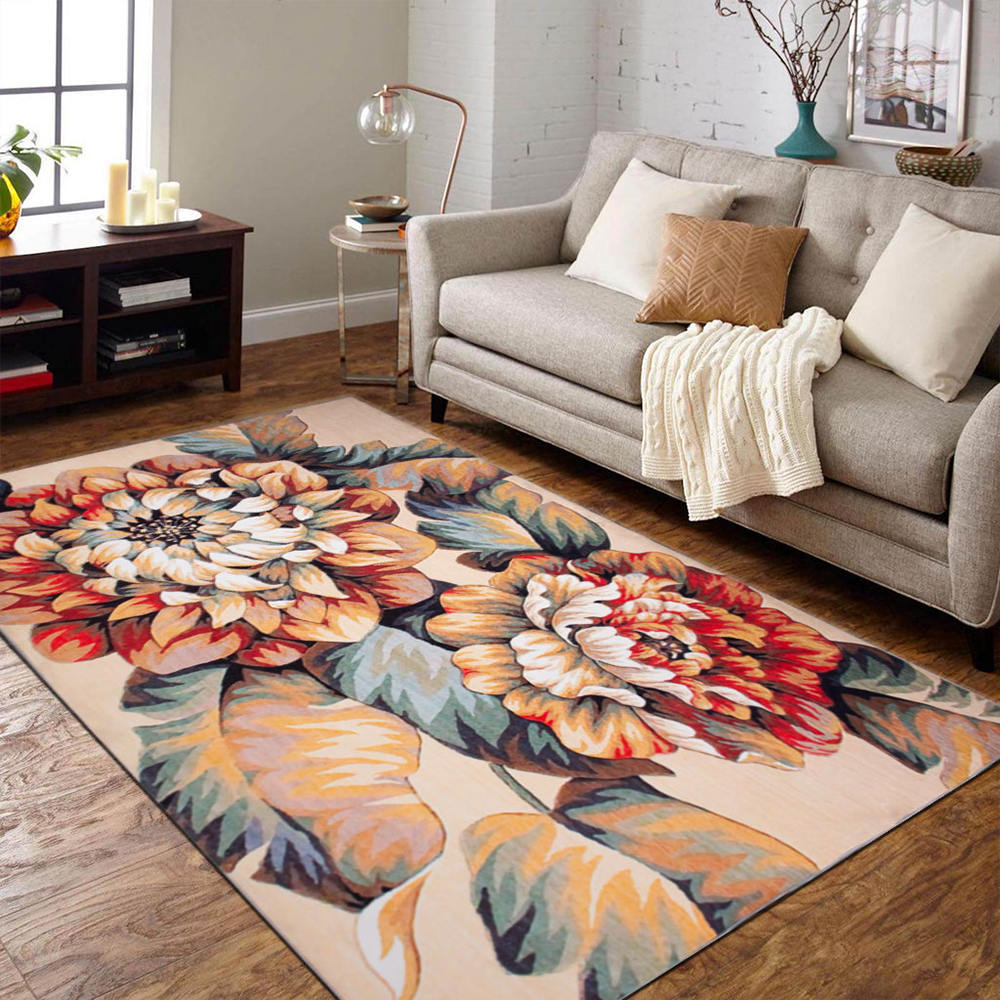
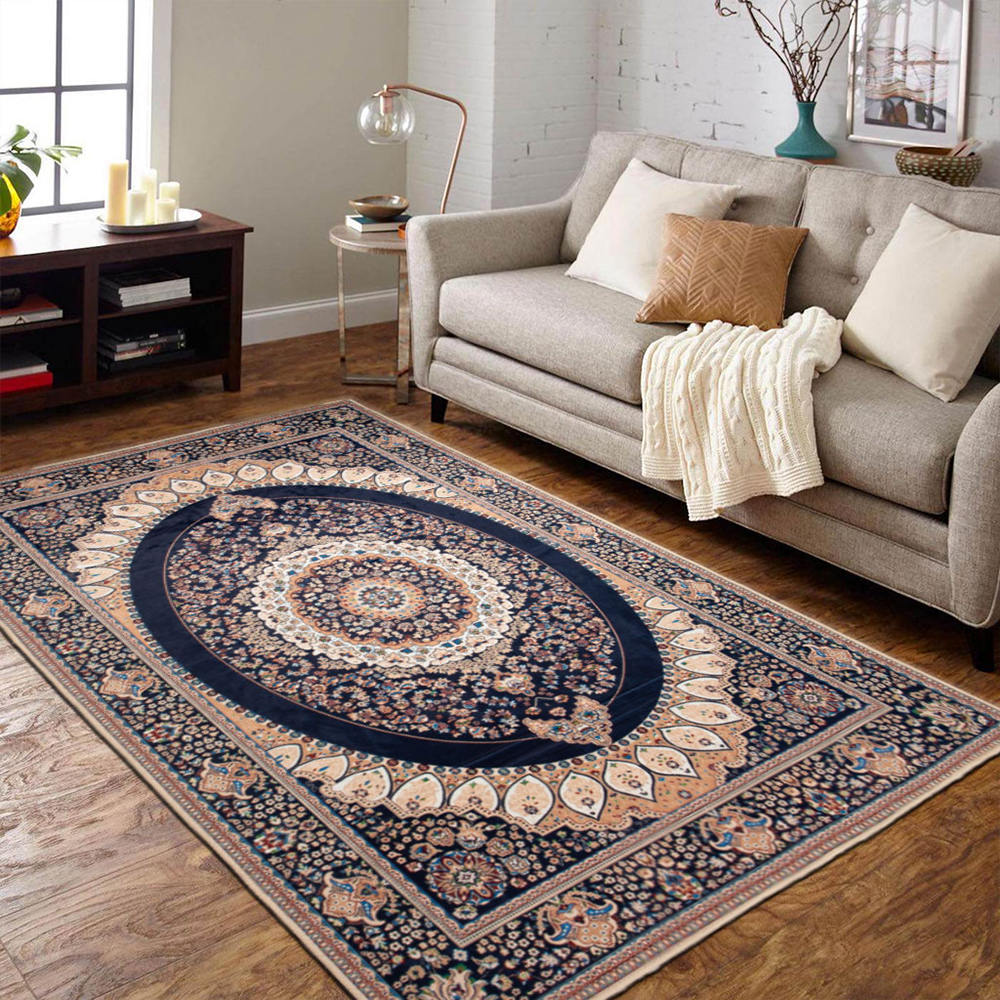
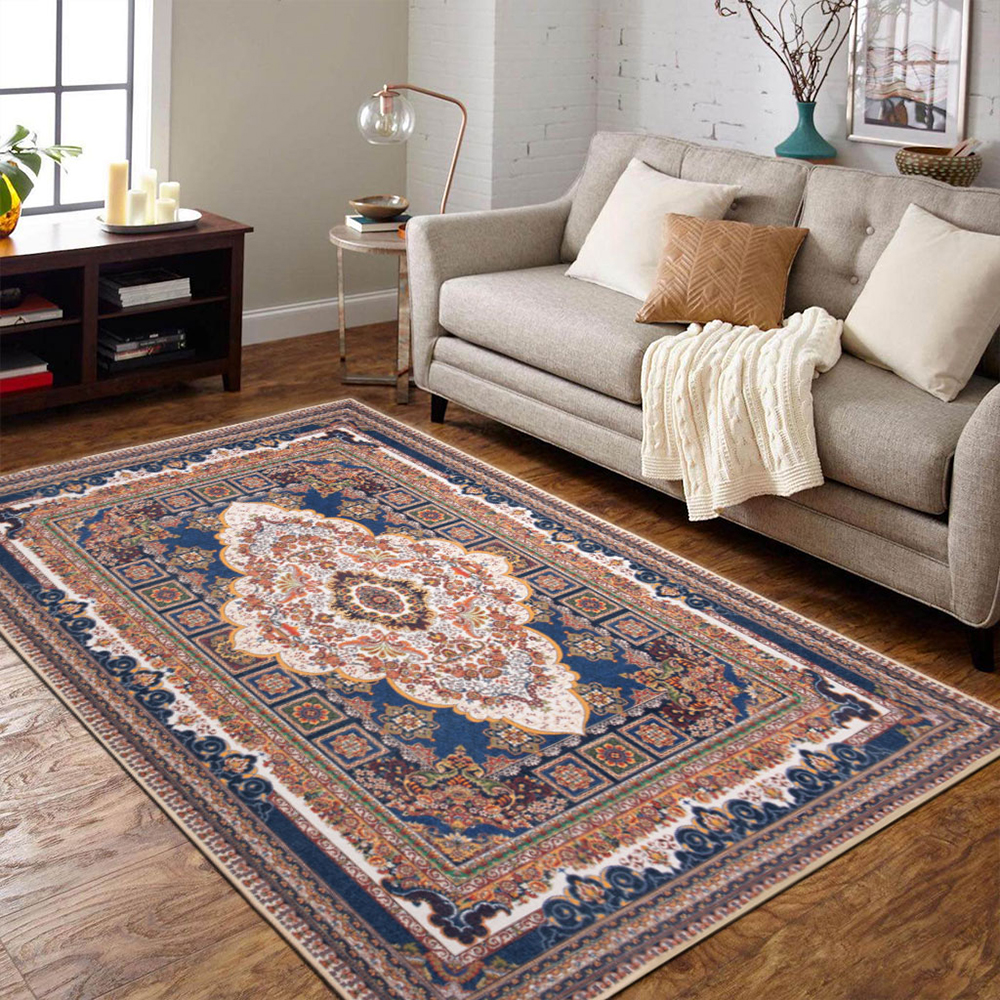
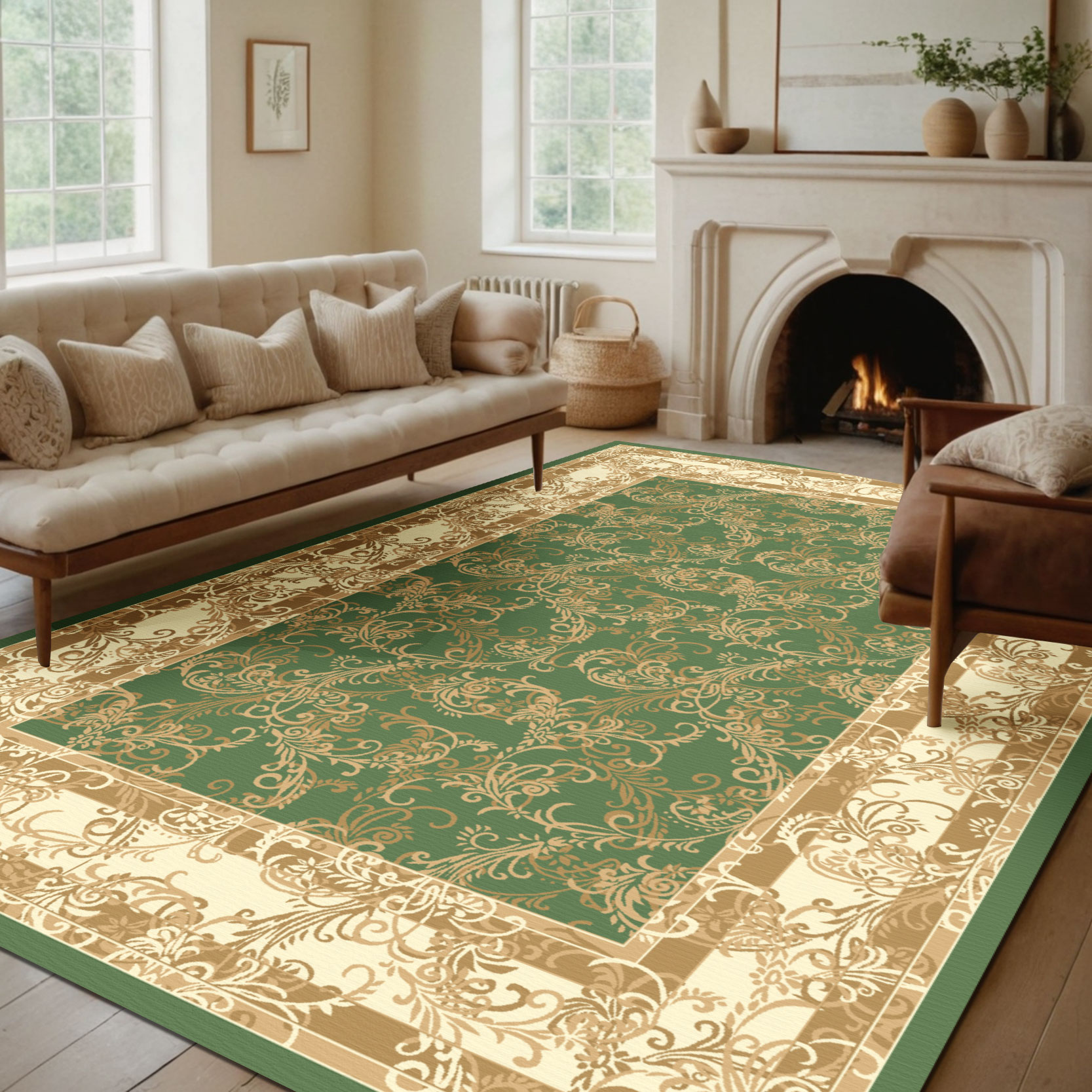
A printed carpet is exactly what it sounds like — a carpet where the pattern, image, or design is printed directly onto the surface of the fabric, rather than being woven or tufted into the material itself. Think of it like printing a photo onto fabric, except the fabric happens to be thick, durable, and made to be walked on. This printing process opens the door to almost unlimited design possibilities, from bold geometric patterns to photorealistic images, logos, or even custom artwork.
Unlike traditional carpets that rely on the weaving technique to create a pattern, a printed carpet starts as a plain base — usually made of nylon, polyester, or a wool blend — and then goes through a digital or screen-printing process to add color and design. This means manufacturers aren't limited by the constraints of loom technology, which is why printed carpets have become so popular for custom branding, unique home decor, and eye-catching commercial spaces.
The rise in popularity of printed carpets isn't just a passing trend. Homeowners, interior designers, and business owners are drawn to them for a handful of very practical reasons that go beyond just looking good.
Not all printed carpets are created the same way, and understanding the different types can help you pick the right one for your needs.
These use inkjet-style printers to apply high-resolution designs directly onto carpet fibers. This method is ideal for photorealistic images, gradients, and intricate detail work, and it's commonly used for custom rugs, hospitality carpets, and branded event flooring.
Screen printing applies color through stencils layer by layer, which works well for bold, simple patterns with fewer colors. It's often more budget-friendly for large production runs with repeating designs.
Modular carpet tiles with printed designs are popular in offices and commercial spaces because they're easy to install, replace individually if damaged, and can be arranged to create larger custom patterns.
Understanding the manufacturing process can help you appreciate why quality varies so much between brands and price points.
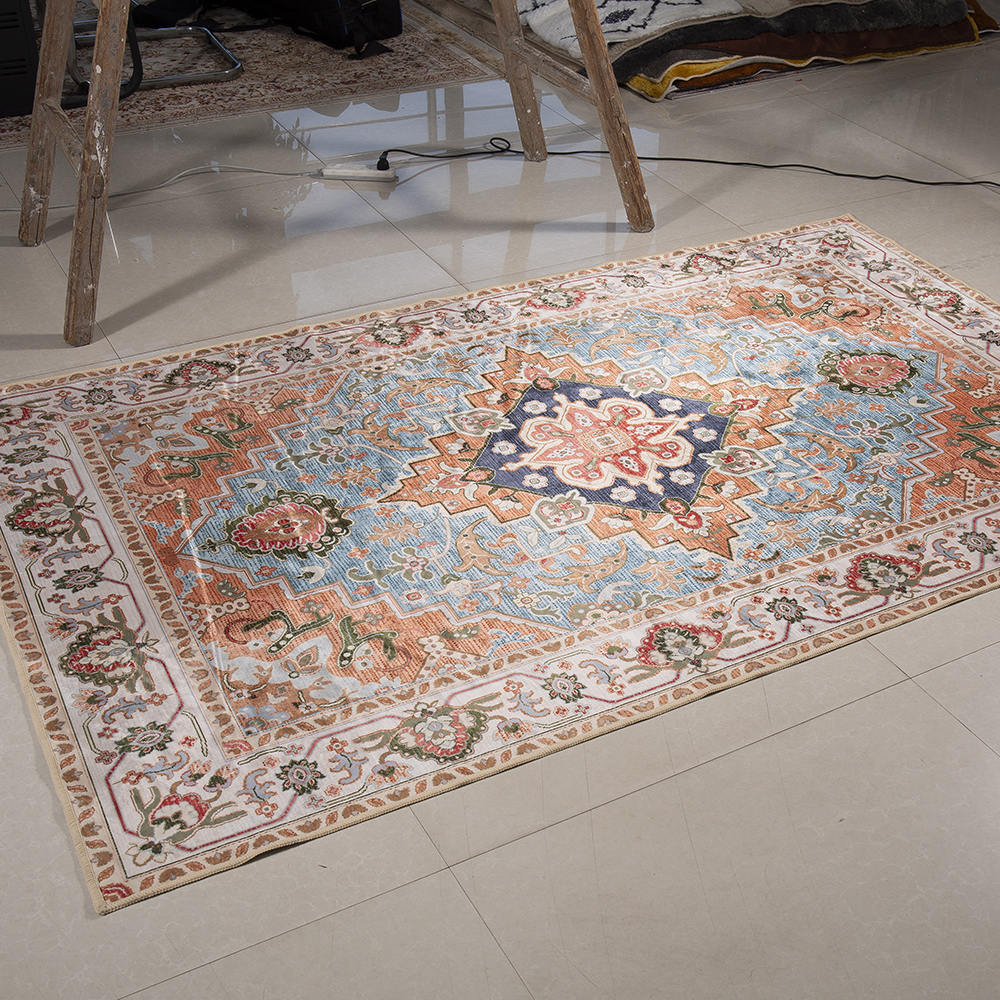
Picking a printed carpet isn't just about finding a design you like. A few practical factors make a big difference in how satisfied you'll be with the final result.
High-traffic areas like hallways, entryways, and offices need a denser pile and a more durable print finish to prevent fading and fiber wear over time.
Natural light can cause certain dyes to fade faster, so rooms with large windows may benefit from UV-resistant printed carpets designed for light exposure.
A subtle textured pattern works well for a cozy living room, while bold branded graphics are better suited to retail stores, trade show booths, or office lobbies.
It helps to see the two side by side before making a final decision.
| Feature | Printed Carpet | Traditional Woven Carpet |
| Design Flexibility | Very High | Limited by Loom |
| Production Time | Faster | Slower |
| Cost for Custom Designs | Lower | Higher |
| Durability | Good with Proper Finish | Excellent |
| Best For | Custom Graphics, Branding | Classic, Long-Term Use |
Proper maintenance keeps a printed carpet looking vibrant for years instead of fading after a few months. The good news is that most printed carpets don't require anything drastically different from standard carpet care, just a bit more attention to detail.
Even with all the benefits, there are a few pitfalls buyers commonly run into that are worth knowing ahead of time.
One frequent mistake is choosing a design based purely on a digital preview without considering how colors might look under different lighting conditions in person. Another is skipping questions about the printing method and fiber quality, which directly affects how long the design will last before fading or wearing thin. Buyers also sometimes underestimate the importance of proper padding underneath the carpet, which impacts both comfort and the lifespan of the printed surface. Finally, many people overlook maintenance instructions specific to printed carpets, treating them the same as standard carpeting and inadvertently shortening their lifespan.
Printed carpets aren't limited to one type of space. Their versatility makes them a smart choice across a wide range of settings.

ADD: No.75 Zhenyuan Road, Yuecheng District, Shaoxing City, Zhejiang Province, China 312000

Tel : +86-189 6750 9795

FAX : +86-0575-8803 2773

Email : fisher@benetextile.com

Copyright © Zhejiang Benyi Textile Technology Co., Ltd. All Rights Reserved. Carpets and Rugs Manufacturer

 English
 Français
 Deutsch
 عربى
عربى