

Industry News
 Home / News / Industry News / How Printed Area Rugs are Changing Home Aesthetics and Industry Ecology
  2025.12.18
 Industry News
Content
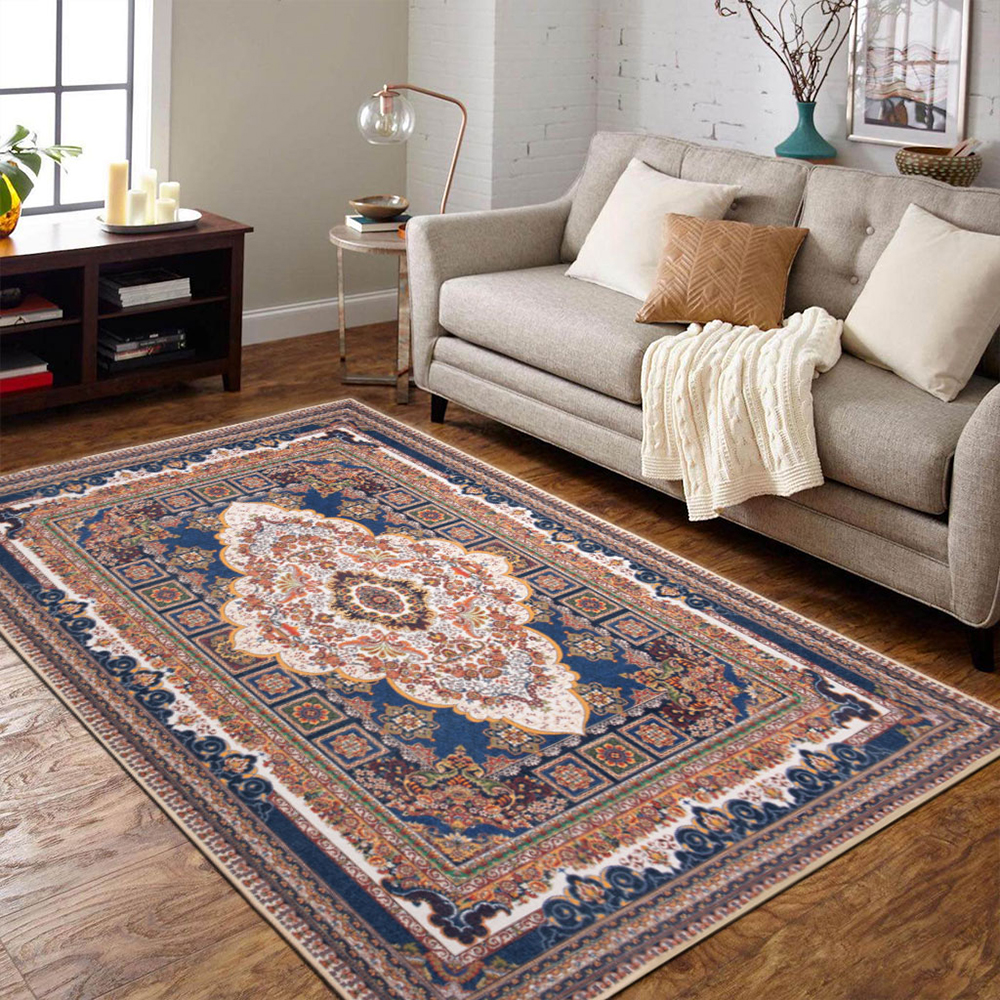
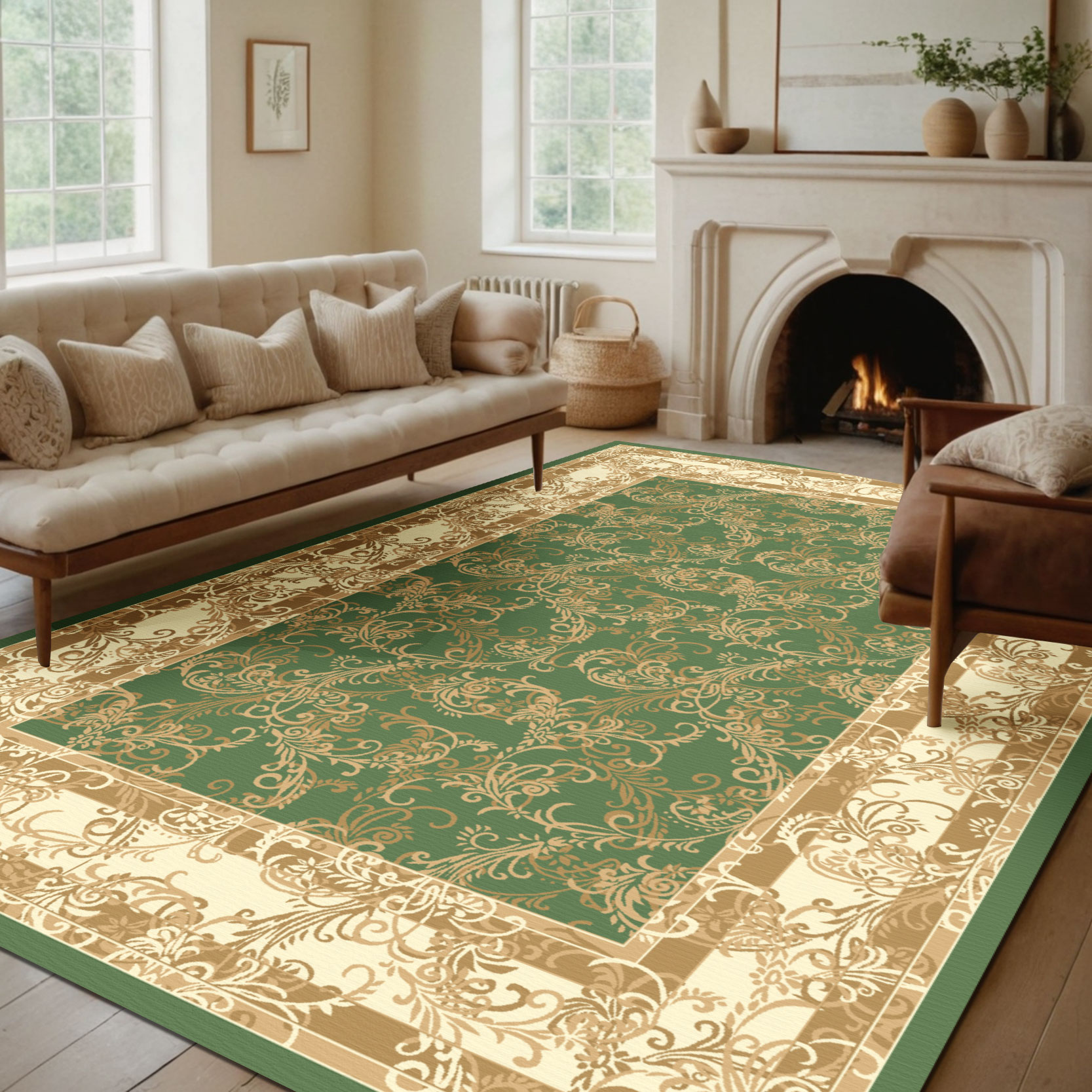
A Printed Area Rug is a floor covering whose design is applied directly to the surface material, rather than being woven, tufted, or hand-knotted with different colored yarns. This manufacturing method represents a significant technological leap in the rug industry, moving beyond traditional textile construction and into the realm of digital printing.
The basic structure of a printed area rug is simple and typically consists of three main layers:
The Pile or Face Material: This is the top surface where the design is printed. Common materials include polyester, nylon, or sometimes blends of natural and synthetic fibers. Polyester is a favorite due to its excellent dye receptivity and resistance to fading.
The Print Layer: This is where the magic happens. High-resolution digital inkjet printers are used to apply specially formulated dyes or inks directly onto the face material. Modern techniques allow for millions of colors and extremely fine detail.
The Backing: This non-slip layer, often made of felt, cotton, or a rubberized material, provides stability and helps the rug lie flat on the floor.
The process of creating a printed area rug is fundamentally similar to printing on paper, but on a massive, industrial scale, and with durable textile inks.
The key enabling technology is the use of large-format, high-speed inkjet printers. These machines use precision print heads to spray microscopic droplets of ink onto the rug surface.
Dye Sublimation: For polyester rugs, dye sublimation is a highly effective method. The inks, once printed, are heated to a high temperature. This heat causes the solid dye to turn into a gas (sublimate) that then penetrates and bonds with the polyester fibers on a molecular level. This results in incredibly durable, vibrant, and fade-resistant colors that are essentially "locked in" to the material, rather than sitting only on the surface.
Direct-to-Fabric Printing: For other fiber types, specialized pigment or reactive inks are used. After printing, the rug often goes through a high-heat curing process to set the ink and ensure wash-fastness and durability.
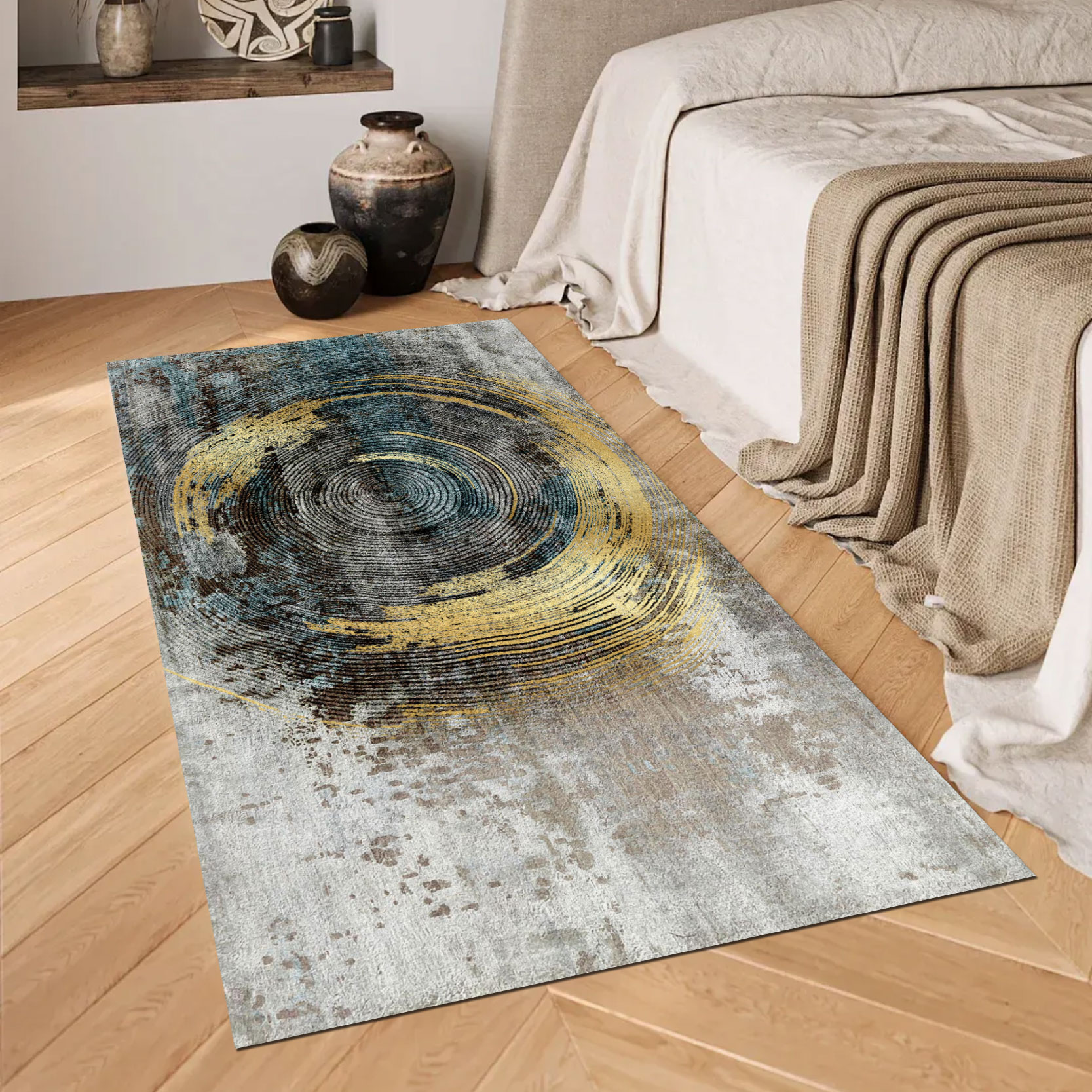
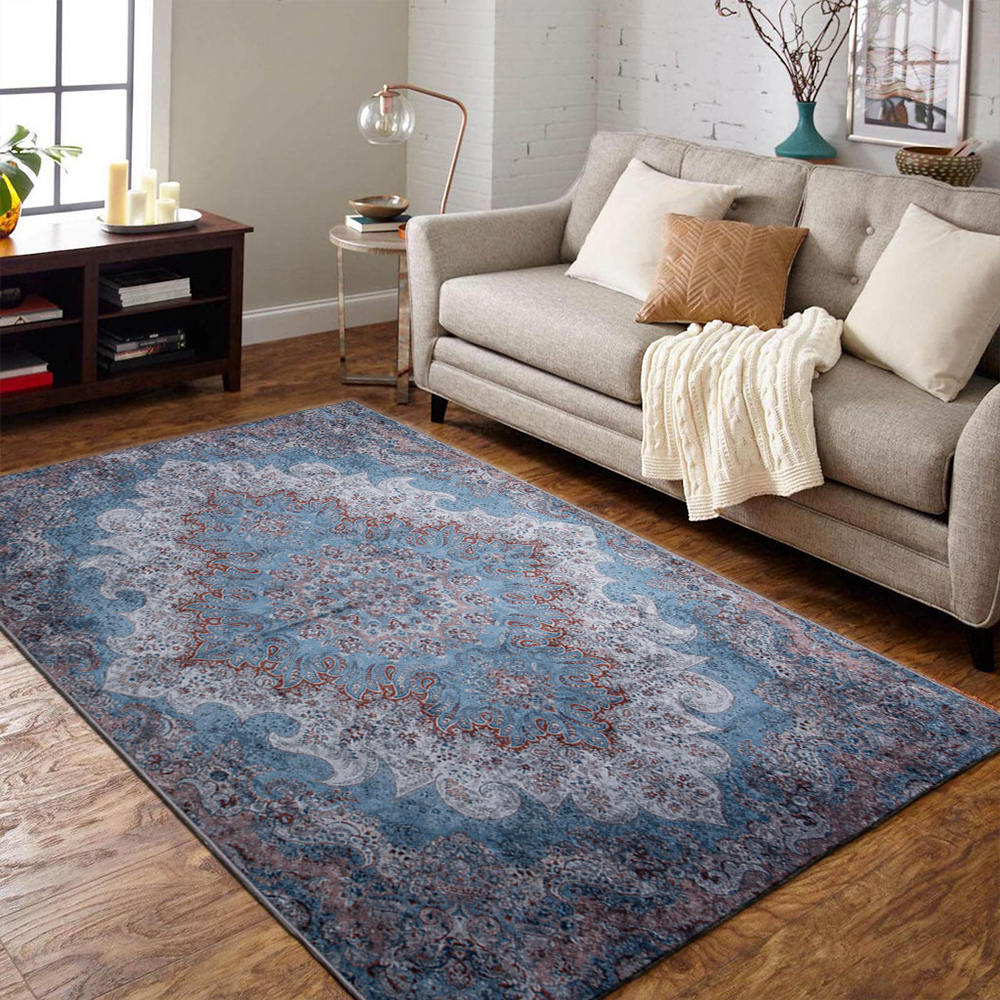
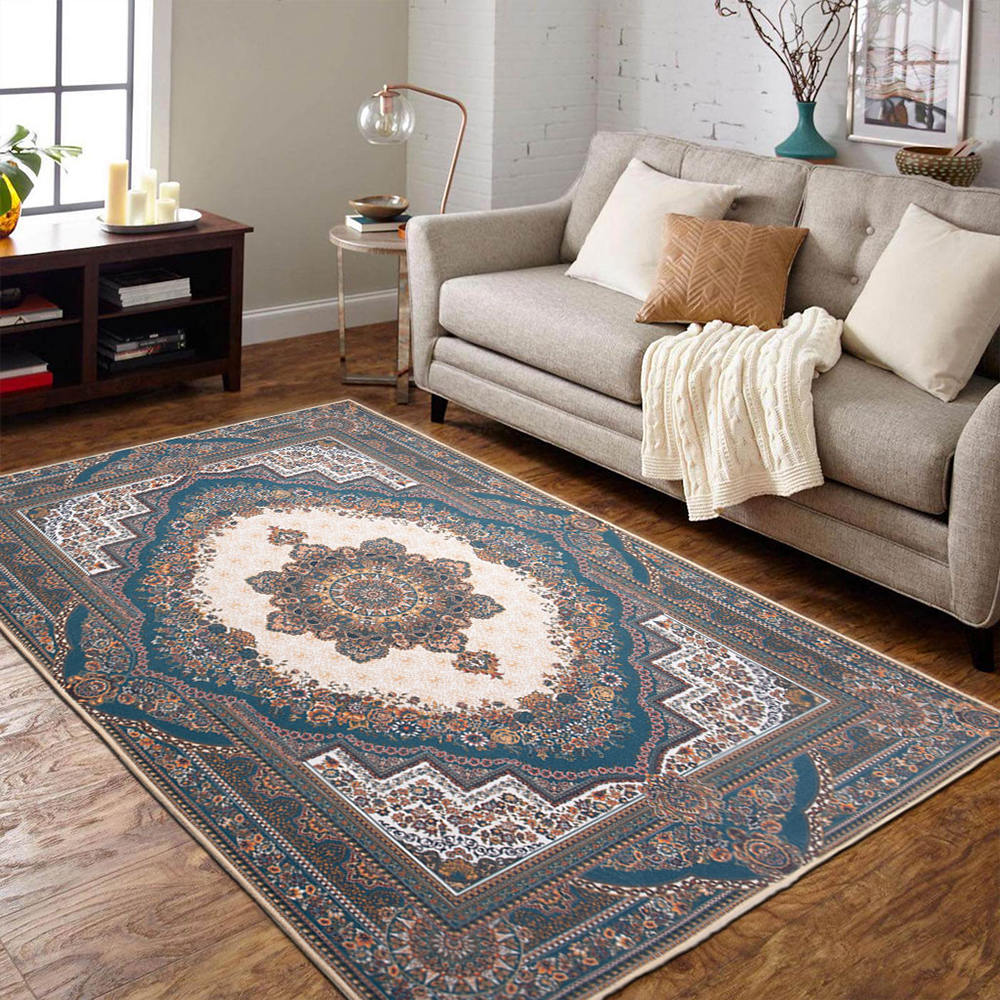
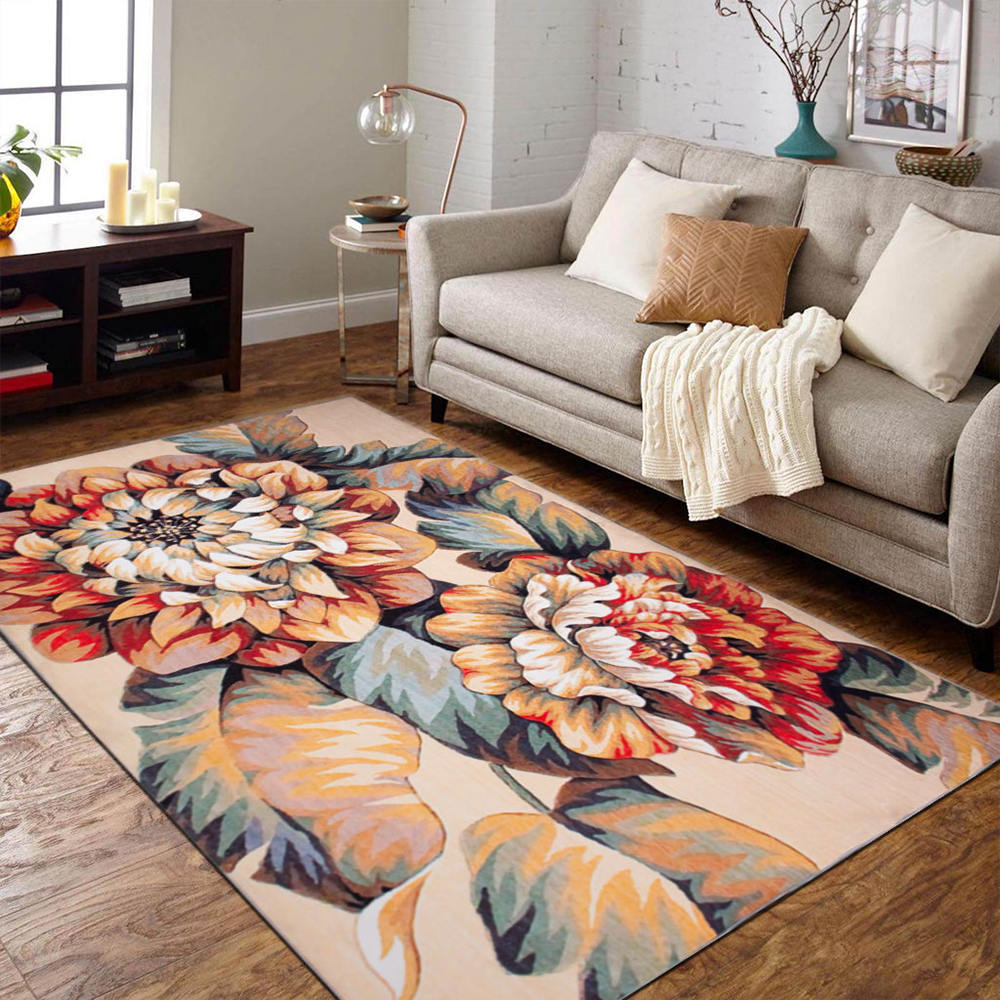
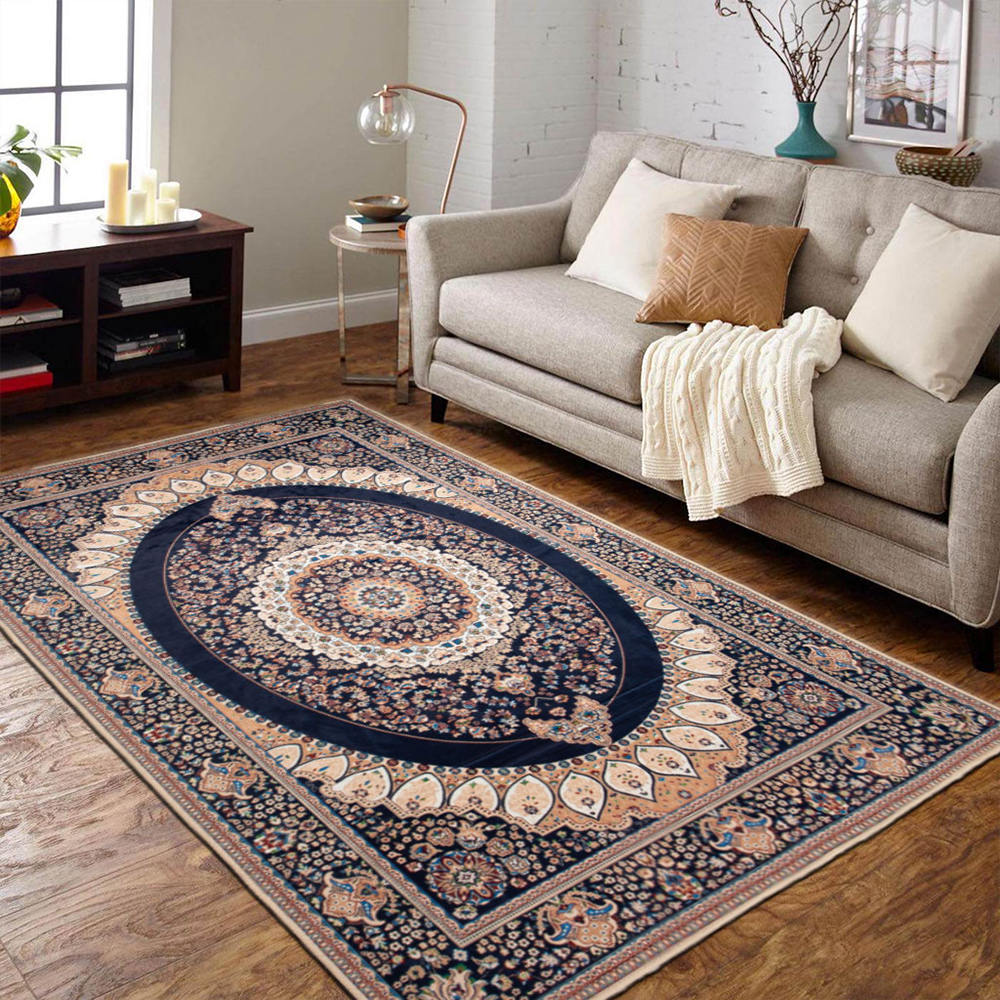
The reliance on digital printing has revolutionized rug aesthetics. Traditional weaving methods are limited by the number of yarns and the constraints of the loom, often favoring geometric or repetitive patterns. Digital printing, however, can reproduce:
Photorealistic Imagery: Complex gradients, shadows, and fine details, making it possible to print images, paintings, or hyper-realistic textures like marble or wood grain.
Unlimited Color Palettes: Designers are no longer restricted to a handful of yarn colors, allowing for highly complex and nuanced color schemes.
Faster Prototyping and Production: New designs can be created and printed quickly without the need to re-tool a complex weaving loom, making the products more responsive to fast-moving interior design trends.
A common misconception is that printed rugs are inherently less durable than woven ones. While fiber quality is always a factor, modern printing and curing techniques have made the durability of a Printed Area Rug surprisingly robust.
As mentioned, dye sublimation creates a chemical bond between the dye and the fiber, meaning the color is highly resistant to abrasion and fading from sunlight (UV exposure). Furthermore, the polyester and nylon used in many printed rugs are synthetic fibers that naturally resist stains and moisture better than many natural fibers.
Maintenance is typically straightforward. Printed rugs can often be spot cleaned with standard carpet cleaner. Smaller, thinner varieties are sometimes designed to be machine washable, a feature that is nearly impossible with heavy, woven rugs. This ease of care makes them a popular choice for high-traffic areas, homes with pets, or dining rooms.

ADD: No.75 Zhenyuan Road, Yuecheng District, Shaoxing City, Zhejiang Province, China 312000

Tel : +86-189 6750 9795

FAX : +86-0575-8803 2773

Email : fisher@benetextile.com

Copyright © Zhejiang Benyi Textile Technology Co., Ltd. All Rights Reserved. Carpets and Rugs Manufacturer

 English
 Français
 Deutsch
 عربى
عربى