

Industry News
 2025.12.24
 Industry News
Content
A Solid Area Rug might seem like the most straightforward choice for grounding a room's decor, but beneath its uniform color and soft texture lies a fascinating world of material science and textile engineering. Unlike complex patterns that require intricate color-dyeing and weaving processes, the beauty of a solid rug is found in the purity and performance of its construction. Understanding this construction is key to appreciating its durability and function in your home.
The foundation of any rug is its fiber, and for a solid color rug, the choice of material is crucial, as any flaw in the fiber will be immediately noticeable. Rugs are typically made from natural fibers like wool and cotton, or synthetic fibers such as polypropylene (olefin), nylon, and polyester.
Wool: A natural choice known for its excellent durability, natural stain resistance due to its lanolin content, and elasticity. It maintains its pile height well and has a rich, deep color absorption, which is ideal for a solid presentation.
Polypropylene (Olefin): A popular synthetic choice because it is highly resistant to moisture, mildew, and fading. This makes it incredibly easy to clean and maintain, a major benefit for large, unpatterned surfaces where spills would be obvious.
Nylon: Recognized for its superior resilience and resistance to abrasion. Nylon fibers can essentially "bounce back" after being crushed by furniture, offering long-term retention of a rug's original appearance.
The manufacturing method dictates the rug's texture, density, and ultimate lifespan. A solid color demands high-quality construction to prevent warping or inconsistencies in the pile.
Tufting: This is the most common and fastest method. Yarns are punched through a backing material and then secured with a secondary backing and adhesive. The density of the tufts—how closely packed the fibers are—is a primary factor in the rug's quality and feel. A higher density means a more plush and durable rug.
Woven (e.g., Hand-Knotted or Flatweave): Woven rugs, where the fibers are interlaced with the backing, are generally the most durable. For a solid color, a flatweave construction can be particularly effective, offering a clean, simple aesthetic that is reversible and highly resistant to wear.
The simple aesthetic of a Solid Area Rug is not accidental; it’s a powerful design tool rooted in color psychology and visual physics.
A single color, especially a deep or rich hue, absorbs and reflects light differently than a pattern.
Deep Hues (e.g., Navy, Charcoal): These colors absorb more light, creating a sense of coziness and making a room feel more intimate. The uniform color allows the viewer's eye to rest, making the floor a stable anchor.
Light Hues (e.g., Cream, Beige): These colors reflect more light, helping to brighten a space and make a smaller room feel larger and more open.
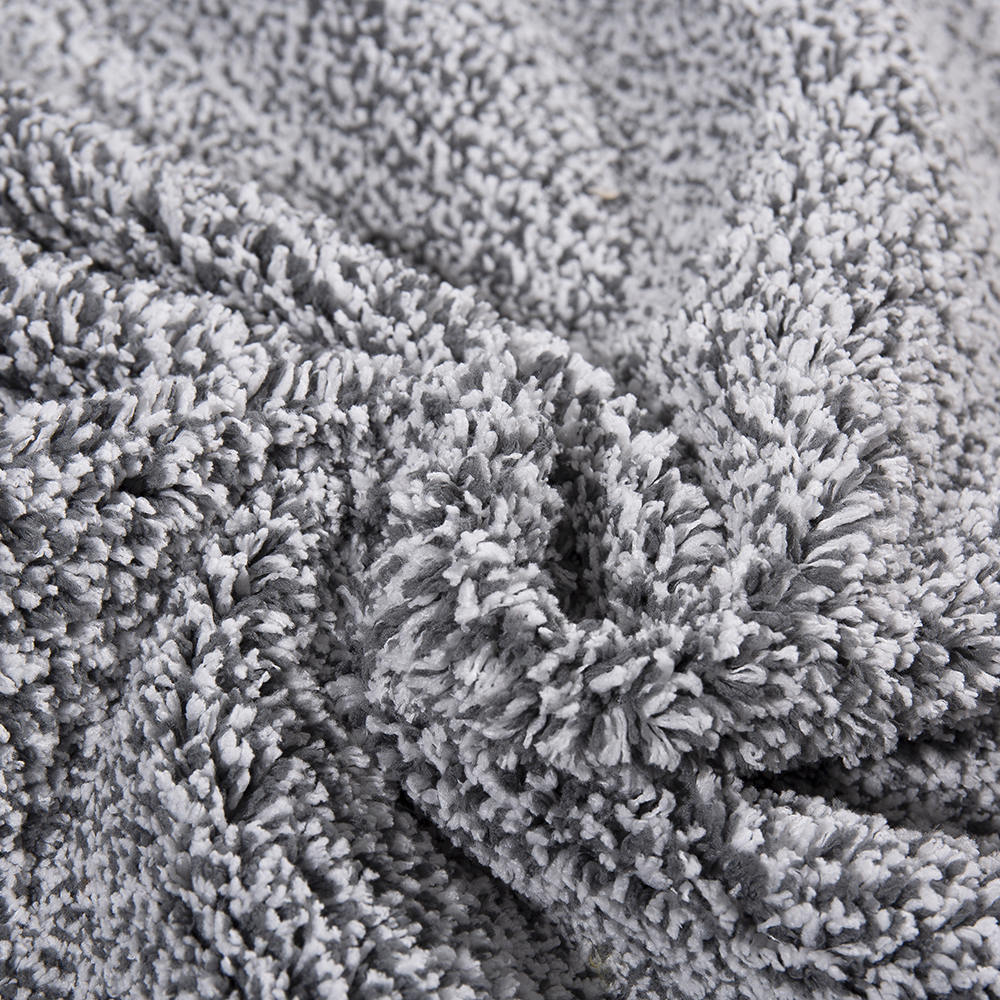
Since the color provides no visual distraction, the texture of the Solid Area Rug becomes the main tactile and visual feature. A plush shag rug, a tightly woven Berber, or a soft chenille all offer different sensory experiences. This focus on texture allows a simple rug to add complexity to a room without adding clutter. It highlights the quality of the yarn and the craftsmanship of the pile.

ADD: No.75 Zhenyuan Road, Yuecheng District, Shaoxing City, Zhejiang Province, China 312000

Tel : +86-189 6750 9795

FAX : +86-0575-8803 2773

Email : fisher@benetextile.com

Copyright © Zhejiang Benyi Textile Technology Co., Ltd. All Rights Reserved. Carpets and Rugs Manufacturer

 English
 Français
 Deutsch
 عربى
عربى