

Industry News
 2026.05.27
 Industry News
Content
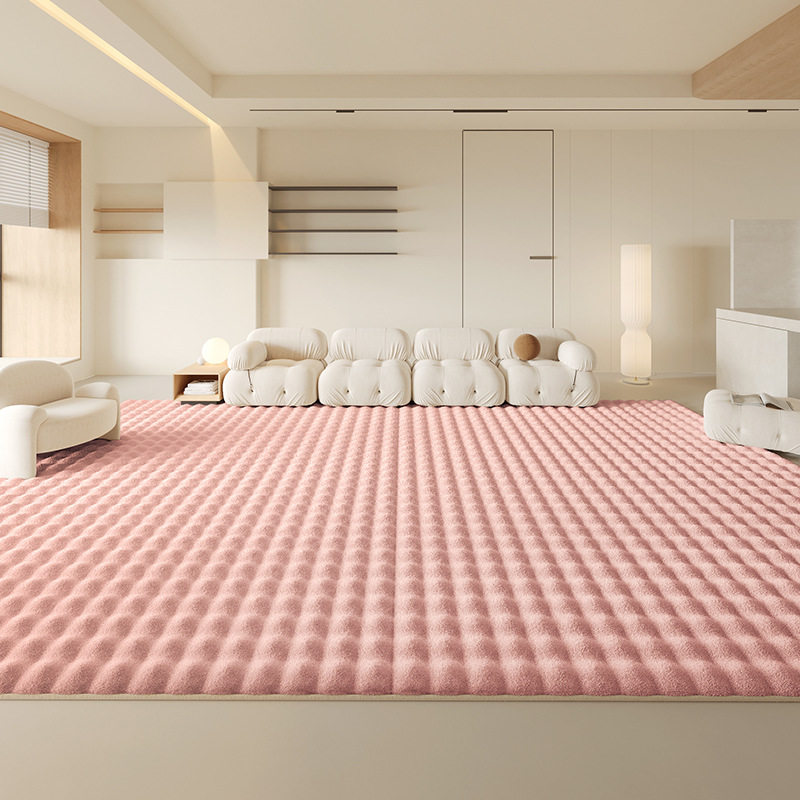
A fluffy carpet gets its softness and volume from a combination of pile height, fiber type, and construction method. Pile height — the length of the fibers above the backing — is the most visible factor: longer fibers create the lush, cloud-like surface that defines the fluffy carpet look. But pile height alone does not determine how a carpet feels underfoot. The fiber material, how densely the fibers are packed into the backing, and whether the pile is cut, looped, or a combination of both all contribute to whether a carpet feels genuinely soft and springy or just visually full without the tactile quality to match.
Understanding these variables matters because fluffy carpets vary enormously in how they perform in real use — not just how they look in a showroom or product photo. A shag carpet with long, loosely packed fibers looks spectacular when new but can flatten permanently under furniture and become difficult to clean within a year of use. A shorter pile dense cut-pile carpet in a soft fiber like wool or nylon may look less dramatic but feels just as soft underfoot, holds its appearance through years of traffic, and is dramatically easier to maintain. Knowing what you are actually buying — and what trade-offs it involves — is the starting point for a purchase decision you will still be happy with three years from now.
The pile construction of a fluffy carpet determines its texture, appearance, durability, and how it responds to foot traffic and cleaning. Each construction type has a distinct look and set of practical characteristics that suit different environments and lifestyles.
Shag pile carpets have long, loosely cut fibers typically measuring 25mm or more in height. The fibers are not packed tightly, which allows them to fall in irregular directions and create the characteristic tousled, textured appearance that defines the shag aesthetic. Underfoot, a shag carpet feels luxuriously deep and soft — there is genuine give with every step, and sitting or lying on a good shag carpet is genuinely comfortable. The practical trade-off is that the long, loose fibers trap dirt, crumbs, and pet hair more deeply than shorter pile constructions, vacuum cleaners struggle to extract debris from the base of the pile, and the fibers flatten under heavy furniture or in high-traffic pathways over time. Shag pile fluffy carpets are best suited to low-traffic spaces where their appearance can be maintained without constant effort — bedrooms, sitting rooms, and reading corners rather than hallways or main family living areas.
Plush and velvet cut pile carpets have densely packed, evenly cut fibers at a shorter pile height than shag — typically 10–20mm. The density of the pile gives the surface a smooth, uniform appearance that catches light evenly and feels genuinely soft underfoot without the maintenance challenges of long-fiber shag construction. Plush cut pile is the most popular construction for soft fluffy carpets in family homes because it delivers a clearly luxurious feel with significantly better durability and easier cleaning than shag pile. The main characteristic to be aware of is that plush cut pile shows footprints, vacuum tracks, and directional shading — the pile bends under pressure and reflects light differently in different directions, which some people find gives the carpet a lived-in appearance quickly. This is a characteristic of the construction, not a defect, and it affects all dense cut pile carpets to some degree.
Frieze carpets use tightly twisted fibers that curl at the tips rather than standing straight, creating a textured, informal surface that is softer than it looks. The curled tips are more resistant to showing footprints and vacuum tracks than straight cut pile, making frieze a practical choice for families who want a soft fluffy carpet without the high-maintenance appearance demands of plush velvet pile. Twist pile carpets use a similar construction and are one of the most durable options in the soft carpet category — the tight twist structure holds the fiber shape under foot traffic and maintains its appearance better than loose cut pile over years of use.
At the most tactile end of the fluffy carpet spectrum are faux fur and specialty soft rugs — products that prioritize maximum softness and visual drama over practical durability. These typically use synthetic fibers like polyester or acrylic cut to lengths of 30–50mm or more in a dense construction that mimics the look and feel of real fur. The tactile experience of a high-quality faux fur rug is genuinely exceptional, and they work beautifully as a focal point in a bedroom or sitting room. The trade-offs are significant: faux fur fibers mat and tangle with washing, shed more than other constructions, and require specialized care to maintain their initial appearance. These rugs are best treated as a high-impact, lower-durability choice for spaces where they will not receive heavy daily use.
The fiber a fluffy carpet is made from affects how it feels, how well it holds its shape over time, how easily it cleans, and how long it maintains its appearance. The choice of material is as important as the pile construction in determining the real-world performance of a soft carpet.
|
Fiber |
Softness |
Durability |
Stain Resistance |
Best Used In |
|
Wool |
Very good |
Excellent |
Naturally good |
Living rooms, bedrooms, stairs |
|
Nylon |
Good |
Excellent |
Good with treatment |
High-traffic rooms, family areas |
|
Polyester |
Excellent |
Moderate |
Very good |
Bedrooms, low-traffic areas |
|
Polypropylene |
Moderate |
Very good |
Excellent |
Family rooms, playrooms |
|
Acrylic |
Very good |
Moderate |
Moderate |
Decorative rugs, bedrooms |
|
Wool-Synthetic Blend |
Very good |
Very good |
Good |
General living spaces |
Polyester deserves particular attention in the fluffy carpet category because it produces some of the softest fibers available at accessible price points — premium polyester carpets can feel remarkably close to wool underfoot at a fraction of the cost. The trade-off is that polyester fibers crush and mat under heavy traffic and furniture more readily than nylon or wool, which is why polyester fluffy carpets are most suitable for bedrooms and low-traffic spaces rather than main living areas or hallways. In rooms where foot traffic is light, polyester delivers exceptional softness and value.
Fluffy carpets are not the right choice for every room, and being honest about which spaces suit them and which do not prevents the disappointment of seeing a beautiful carpet deteriorate faster than expected simply because it was placed in the wrong environment. The appeal of a thick fluffy rug is universal, but the practical suitability varies significantly by room.
The bedroom is where a fluffy carpet performs best and where its limitations matter least. Foot traffic is low, food and drink spills are infrequent, and the primary use case — stepping out of bed onto something soft and warm — is exactly what these carpets are designed for. A thick fluffy rug beside the bed or a full plush carpet covering the bedroom floor delivers a comfort experience that no other flooring type matches at the same price point. Longer pile shag constructions that would be impractical in a living room work well in a bedroom where they will not be walked on heavily enough to flatten permanently.
Living rooms can accommodate fluffy carpets if you choose the right construction and fiber. Plush cut pile or frieze constructions in wool or nylon will hold their appearance through moderate living room traffic for many years and feel genuinely luxurious underfoot. The key is to avoid very long pile shag constructions in a living room where furniture is placed on the carpet, as the areas under furniture legs will compress permanently and create visible depressions that become more pronounced over time. A medium pile (12–18mm) in a dense construction is the practical sweet spot for living room fluffy carpets.
Fluffy carpets are popular in children's rooms because they create a comfortable play surface and a soft landing for falls. In a playroom or child's bedroom, prioritize a nylon or polypropylene construction with good stain resistance over a softer but less durable polyester or wool option. A medium pile that is dense enough to cushion play but not so long that it traps every small toy and piece of debris is the practical balance for children's spaces. Avoid faux fur or very long shag constructions in children's rooms — they shed fibers that young children can ingest and are nearly impossible to keep clean under active daily use.
Kitchens, bathrooms, and dining rooms are not appropriate for fluffy carpets under any circumstances. The combination of moisture, food particles, and cleaning chemicals degrades soft carpet fibers rapidly and creates hygiene problems that regular cleaning cannot adequately address. Hallways and stairs are also poor choices for high pile fluffy constructions — the concentrated foot traffic flattens long pile irreversibly within months and creates a tripping hazard on stairs where secure footing is essential. If you want softness underfoot in a hallway, choose a low-to-medium pile twist carpet in a durable fiber rather than a fluffy shag construction.
Fluffy carpets require more maintenance effort than low pile or flatweave options, and understanding this upfront is important before making a purchase decision. The longer and softer the pile, the more maintenance it needs to retain its appearance — this is not a flaw in the product but an inherent characteristic of high pile construction that applies across all fiber types and price points.
Standard upright vacuum cleaners with motorized beater bars are not always appropriate for fluffy carpets, particularly long pile shag constructions. The beater bar can tangle and pull long fibers, causing fiber damage and accelerating shedding. For long pile fluffy carpets, use a vacuum with the beater bar turned off — suction-only mode — or use a specialist rake-style carpet groomer to loosen debris before vacuuming with a suction attachment. For medium pile plush carpets, most modern vacuum cleaners with adjustable pile height settings work well when set to the appropriate height for the carpet being cleaned. Vacuum in multiple directions to lift flattened pile and ensure even cleaning across the surface.
New fluffy carpets — particularly those made from wool or polyester — shed loose fibers for the first few weeks to months of use. This is a normal manufacturing characteristic, not a quality defect, and it resolves on its own as the loose surface fibers are removed through regular vacuuming. During the shedding period, vacuum the carpet two to three times per week with a suction-only vacuum to accelerate the removal of loose fibers. Avoid vacuum cleaners with rotating brushes during this period as they can pull fibers from the backing and increase shedding beyond the normal initial period.
Fluffy carpet pile flattens under furniture legs, in heavy traffic pathways, and after any sustained pressure on the surface. For furniture compression marks, placing ice cubes on the flattened area and allowing them to melt slowly releases the fibers as the moisture expands them, after which gentle lifting with a stiff brush or carpet rake restores the pile height. For general pile flattening from foot traffic, a carpet rake drawn through the pile in the direction against the natural lay lifts and separates the fibers, restoring loft before or after vacuuming. Steaming the flattened area with a garment steamer before brushing is the most effective approach for stubborn compressions in wool pile carpets.
Fluffy carpets are more challenging to clean after spills than low pile options because liquids penetrate deeper into the pile before reaching the backing, and the longer fibers make it harder to blot up moisture without spreading the spill laterally. Acting immediately and using the correct technique makes the difference between a spill that is completely removed and one that sets into a permanent stain.
A few straightforward checks before purchasing a fluffy carpet prevent the most common buyer regrets — a carpet that looks different in your room than it did online, one that sheds excessively for months, or one that flattens faster than expected under normal use. These apply whether you are buying a full room carpet installation or a fluffy area rug.

ADD: No.75 Zhenyuan Road, Yuecheng District, Shaoxing City, Zhejiang Province, China 312000

Tel : +86-189 6750 9795

FAX : +86-0575-8803 2773

Email : fisher@benetextile.com

Copyright © Zhejiang Benyi Textile Technology Co., Ltd. All Rights Reserved. Carpets and Rugs Manufacturer

 English
 Français
 Deutsch
 عربى
عربى