

Industry News
 Home / News / Industry News / Beyond the Pattern: How to Choose and Style the Perfect Living Room Rug
  2026.01.13
 Industry News
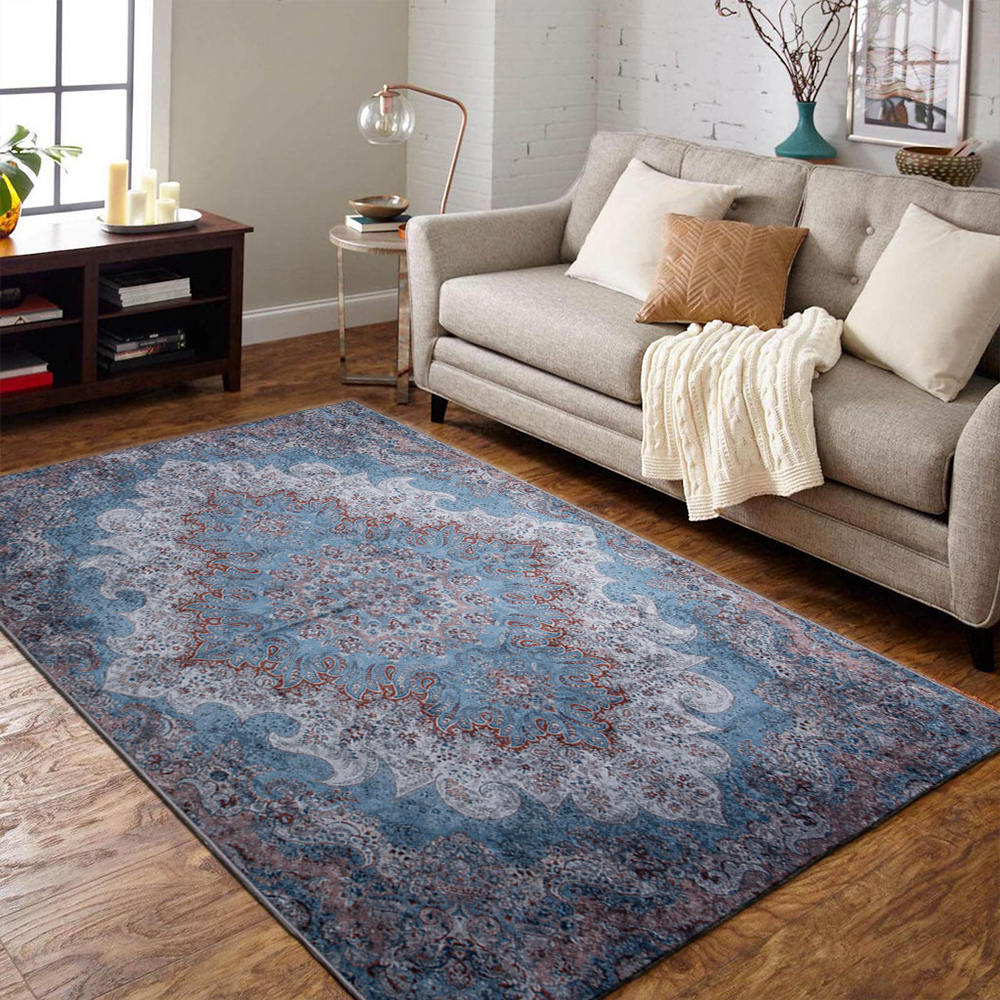
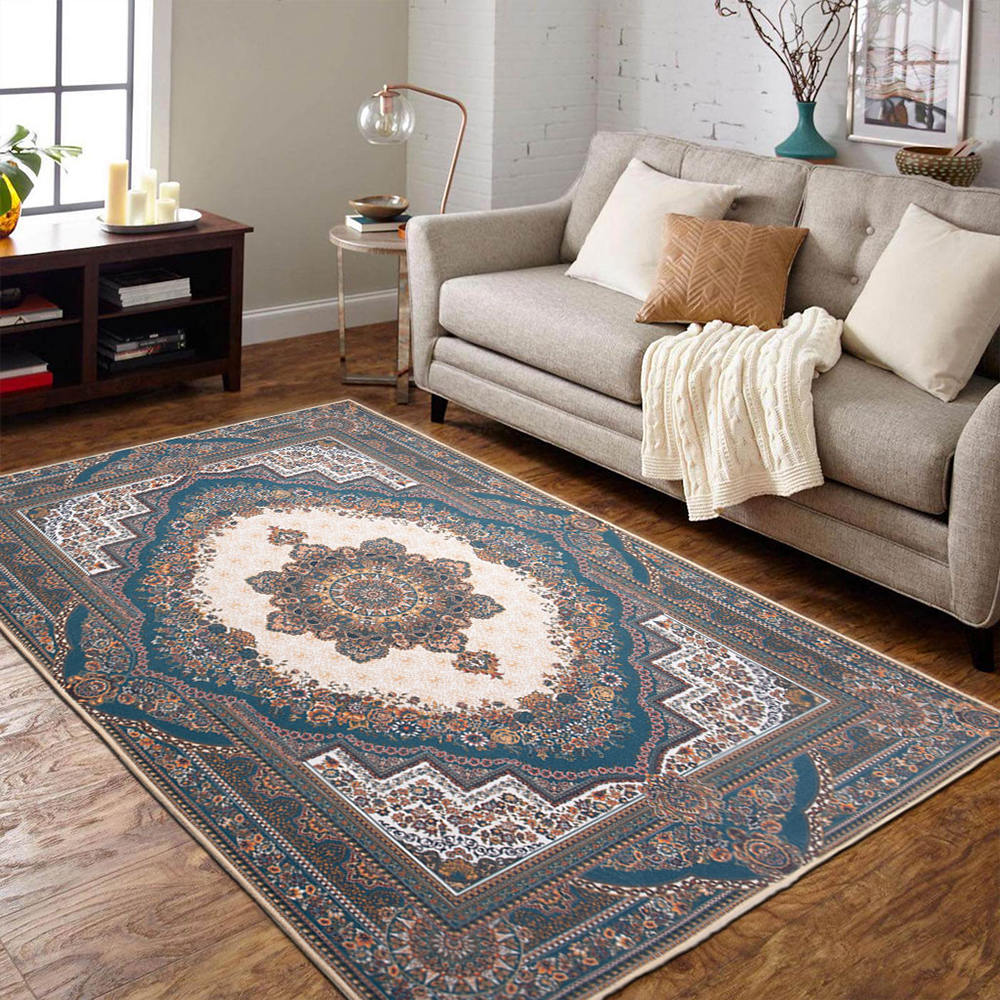
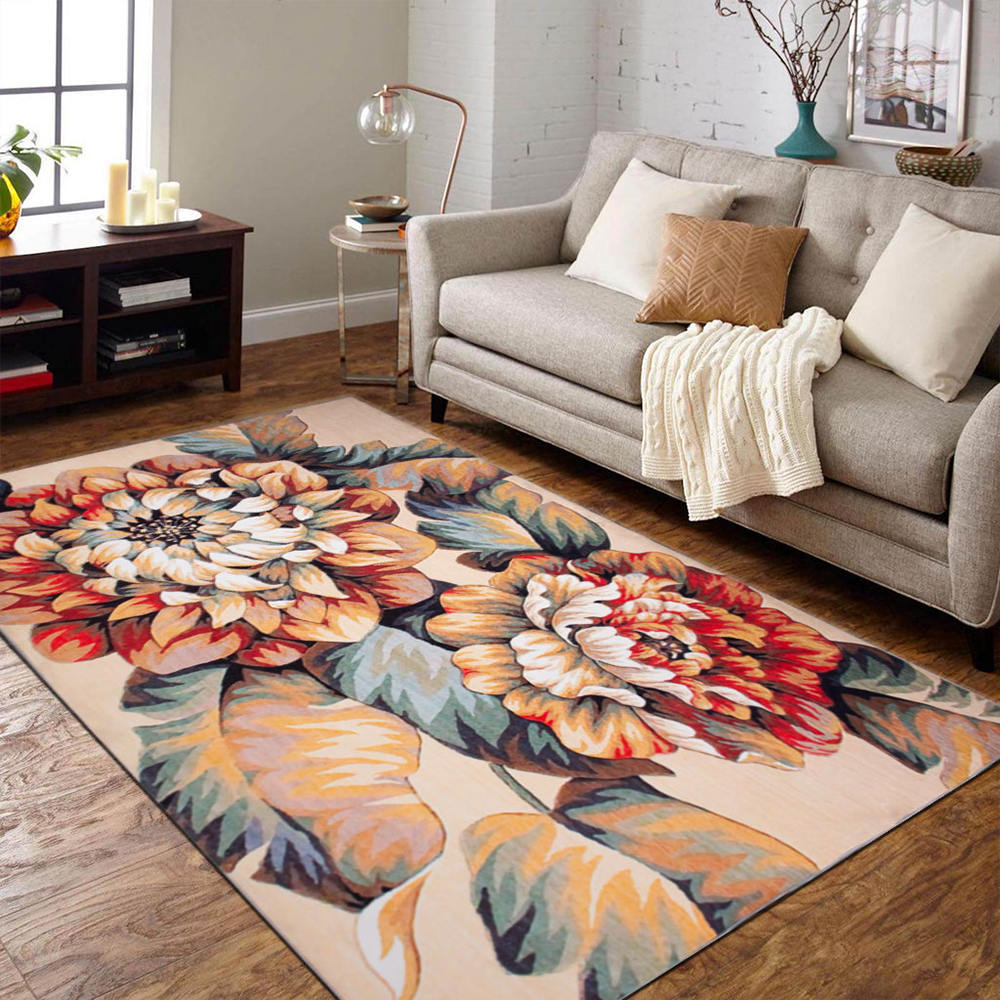
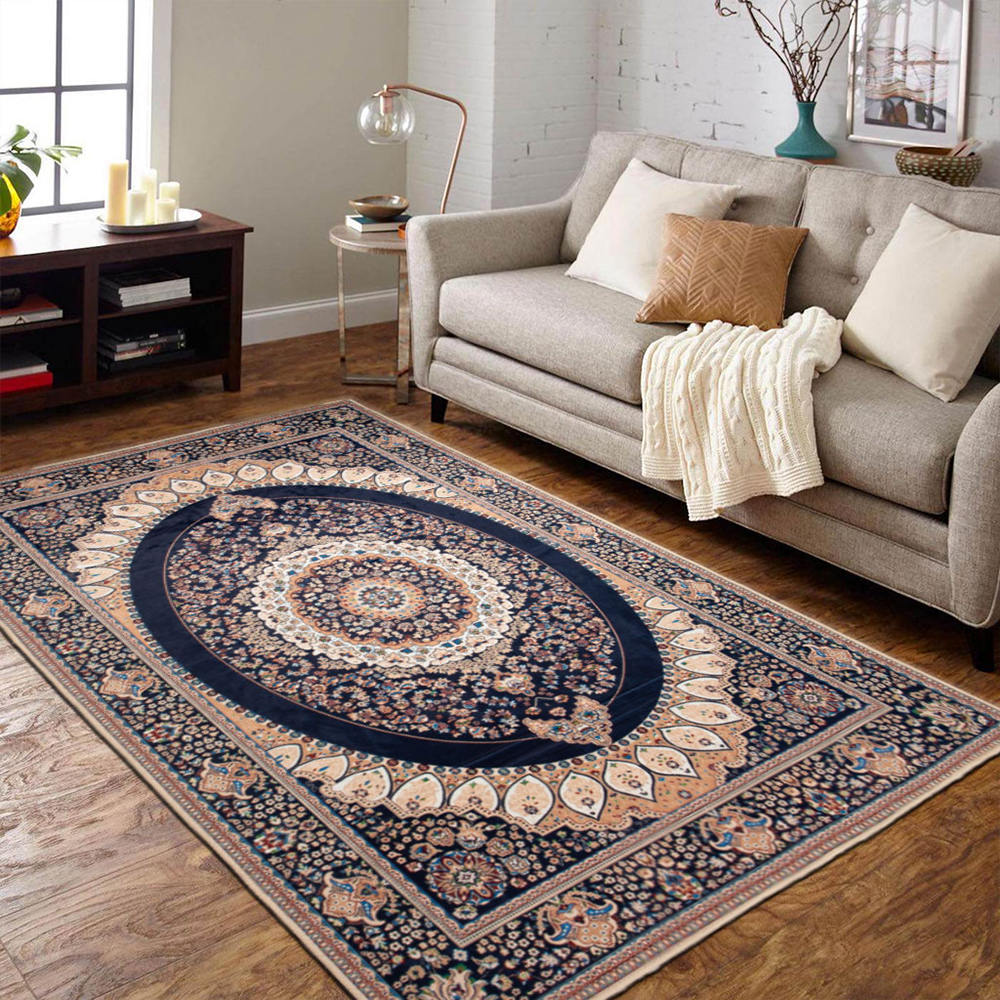
In the world of interior design, few elements hold as much transformative power as living room rugs. Often referred to as the "anchor" of a room, a well-chosen rug does more than just cover the floor; it defines boundaries, introduces texture, and acts as the connective tissue between your furniture and your walls.
The philosophy surrounding living room rugs has shifted from mere utility to "floor art" and "sustainable luxury." Here is an in-depth analysis of how to select, style, and maintain the perfect rug for your home.
Content
The clinical, cool-gray minimalism of previous years has officially been replaced by Modern Organic and Textured Minimalism.
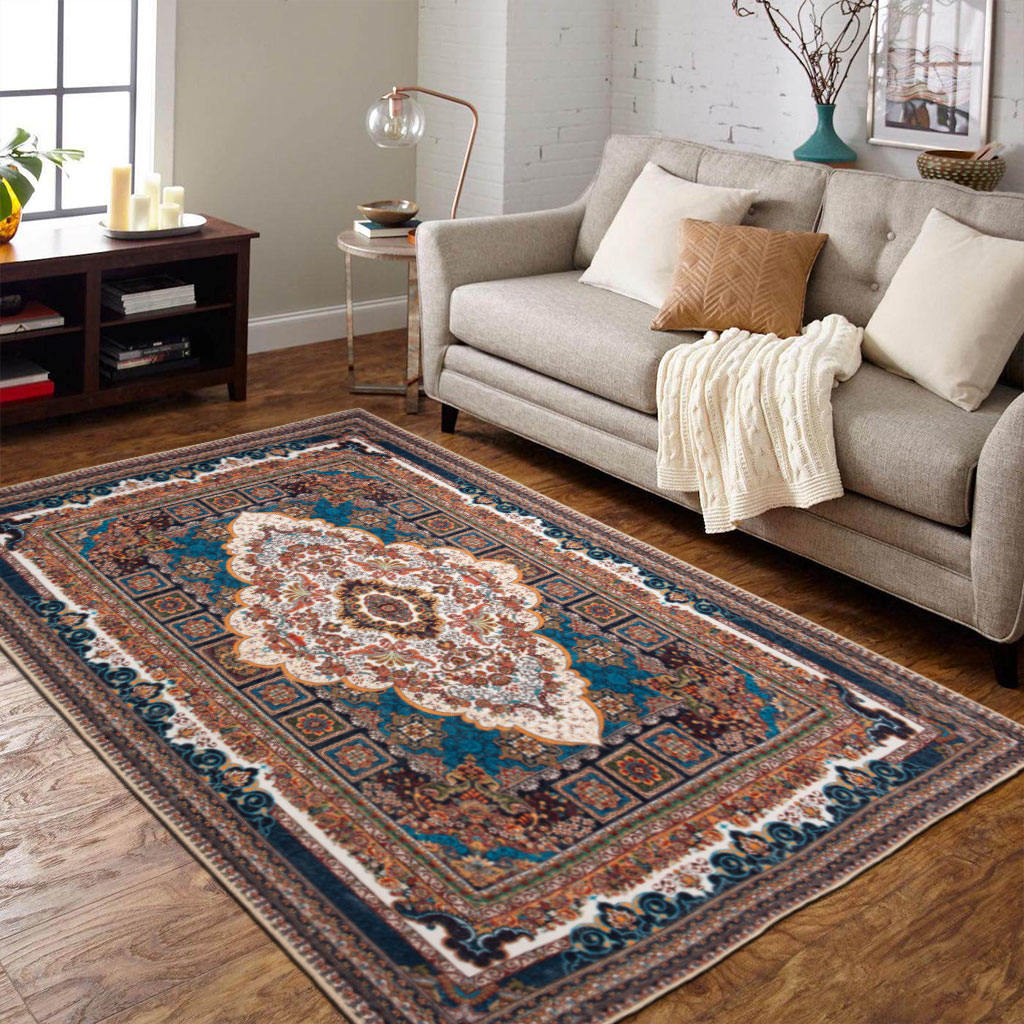
The most common mistake in living room design is choosing a rug that is too small, often referred to as the "postage stamp" effect. To ensure your living room rug looks intentional, follow these placement standards:
|
Layout Style |
Best For |
Placement Strategy |
|
All Legs On |
Large, open-plan rooms |
All furniture (sofa, chairs, tables) sits entirely on the rug. Requires a large format (e.g., 9x12 ft or larger). |
|
Front Legs Only |
Standard living rooms |
The rug tucked about 6–12 inches under the front legs of the seating. This "anchors" the pieces together. |
|
Floating/Center |
Small apartments |
The rug sits in the center, with furniture placed around it. Best for statement rugs with bold patterns. |
The durability of your rug depends entirely on its fiber. The focus has moved toward longevity and environmental impact.
Designers are increasingly placing a smaller, high-quality vintage or animal-print rug over a larger, neutral jute or sisal base. This technique adds "visual weight" to the room and allows you to use a smaller, more expensive heirloom piece without it getting lost in a large space.
To protect your investment, a proactive care routine is essential:

ADD: No.75 Zhenyuan Road, Yuecheng District, Shaoxing City, Zhejiang Province, China 312000

Tel : +86-189 6750 9795

FAX : +86-0575-8803 2773

Email : fisher@benetextile.com

Copyright © Zhejiang Benyi Textile Technology Co., Ltd. All Rights Reserved. Carpets and Rugs Manufacturer

 English
 Français
 Deutsch
 عربى
عربى