

Industry News
 2026.01.22
 Industry News
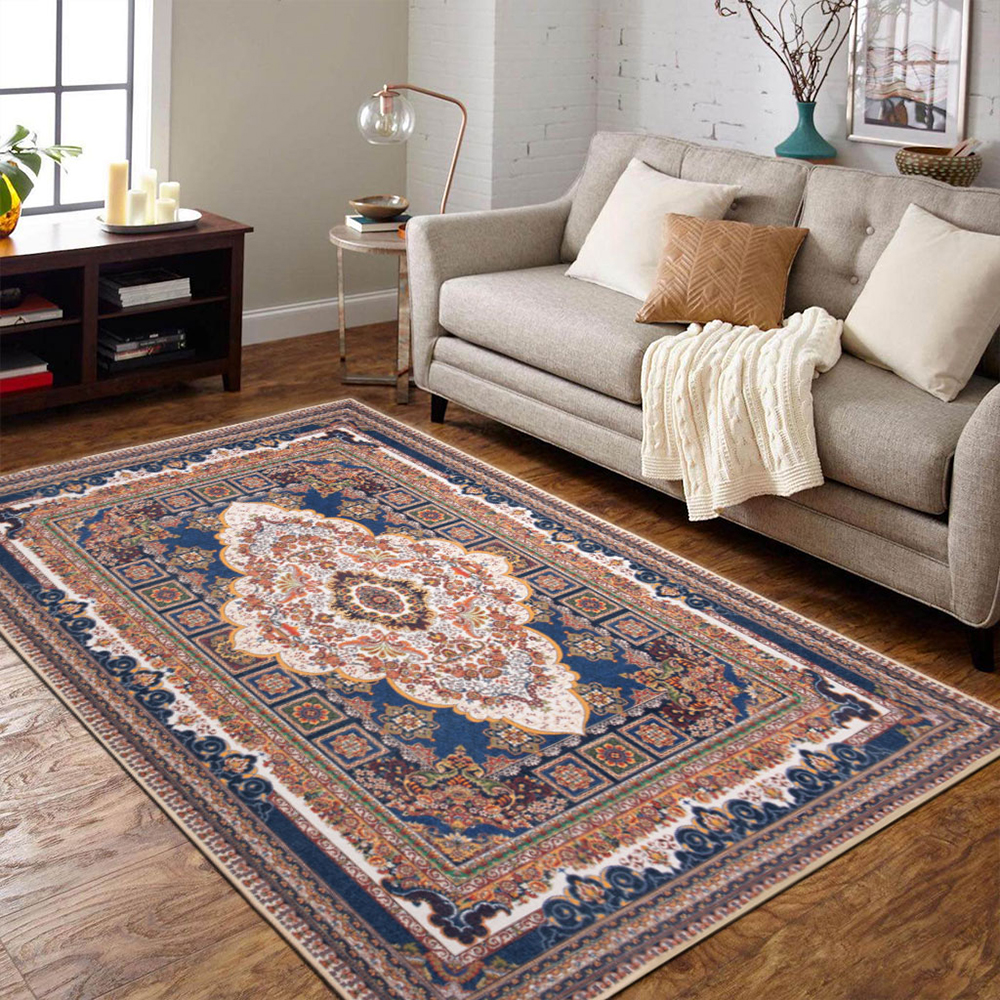
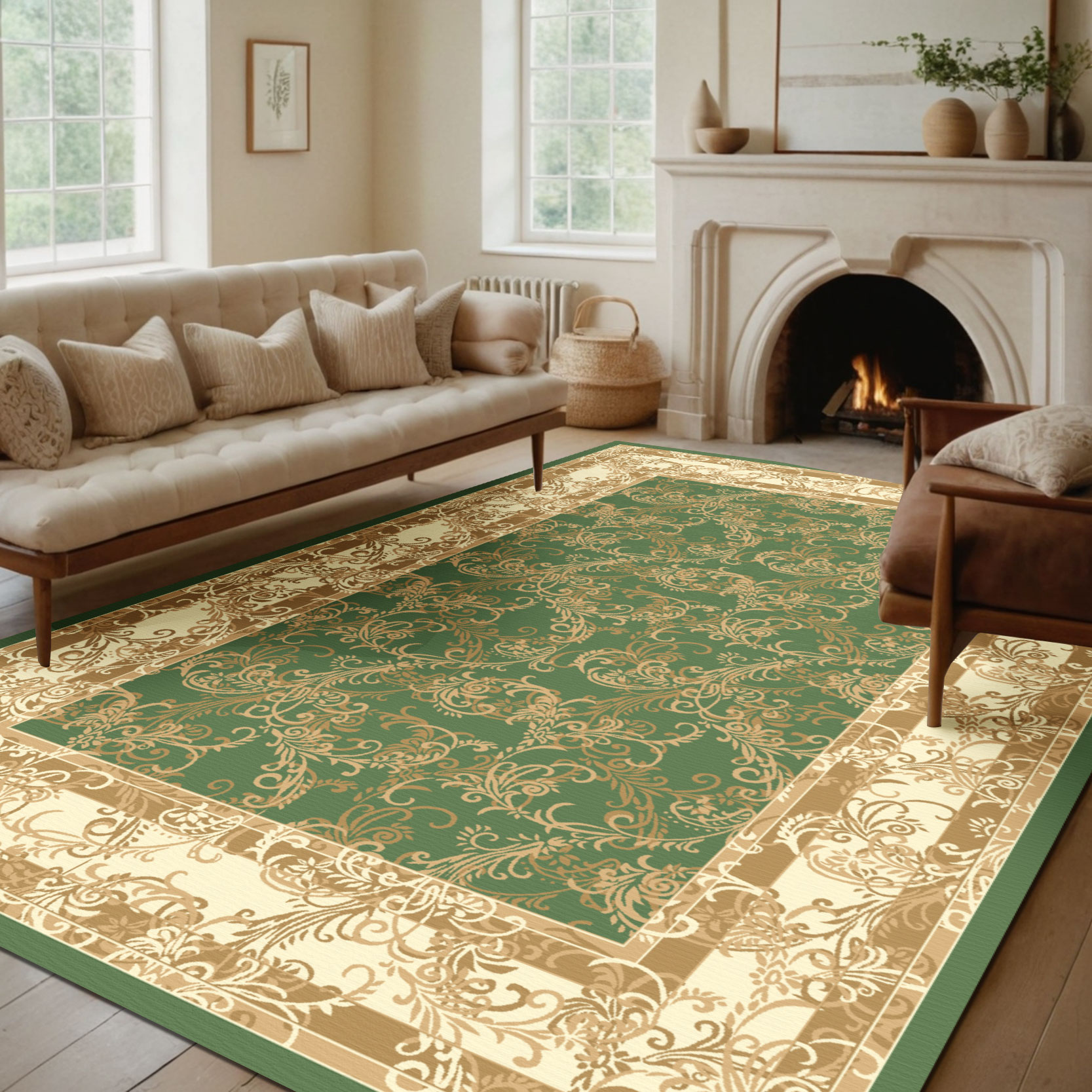
In contemporary interior architecture, the living room rug is no longer viewed as a secondary accessory. It is the "fifth wall"—a horizontal plane that holds the power to visually expand a room, dampen acoustic echo, and define the emotional temperature of a home.
Whether you are designing a high-traffic family hub or a curated minimalist sanctuary, understanding the technical and aesthetic nuances of rugs is essential for a cohesive result.
Content
A living room rug serves as a visual boundary. In open-concept floor plans, it acts as a "zonal marker," separating the lounge area from the dining or circulation paths without the need for physical walls.
Choosing a living room rug requires balancing beauty with the realities of daily life. The material composition determines the rug’s lifespan and its "patina" over time.
|
Material |
Durability |
Best For |
Maintenance |
|
New Zealand Wool |
Exceptional |
High-traffic family rooms |
Naturally stain-resistant; requires regular vacuuming. |
|
Recycled PET |
High |
Homes with pets/spills |
Moisture resistant and often machine-washable. |
|
Tencel/Silk Blend |
Moderate |
Formal "show" rooms |
Luxurious sheen; prone to water spots. |
|
Sisal/Seagrass |
High |
Coastal or Boho aesthetics |
Very tough, but can be rough on bare feet. |
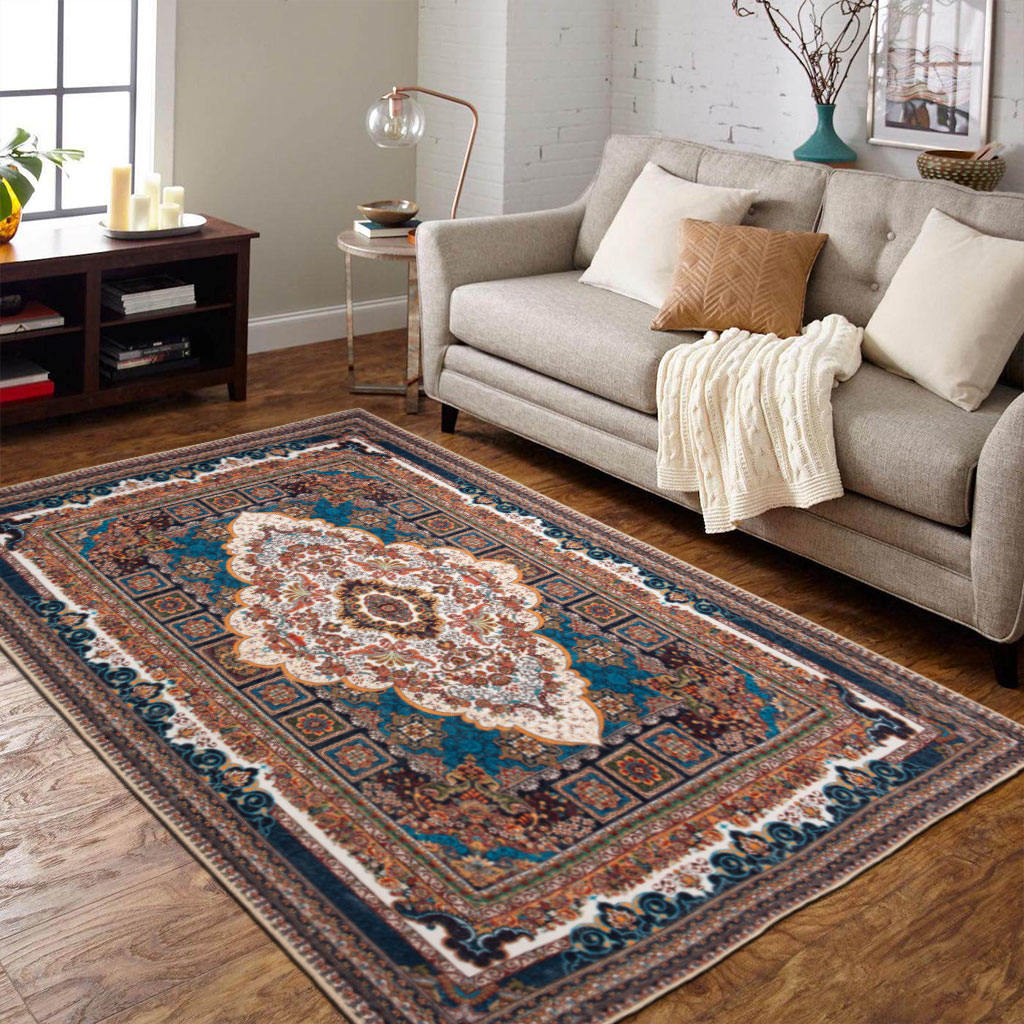
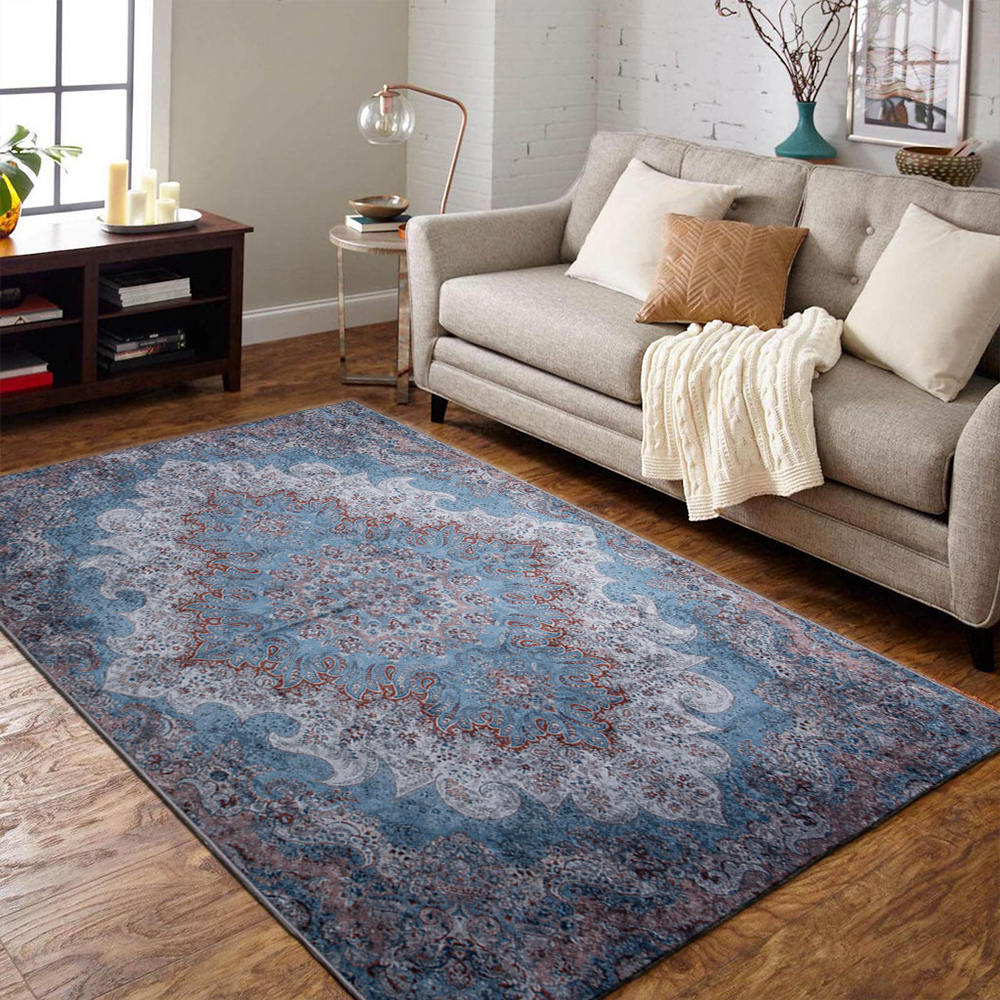
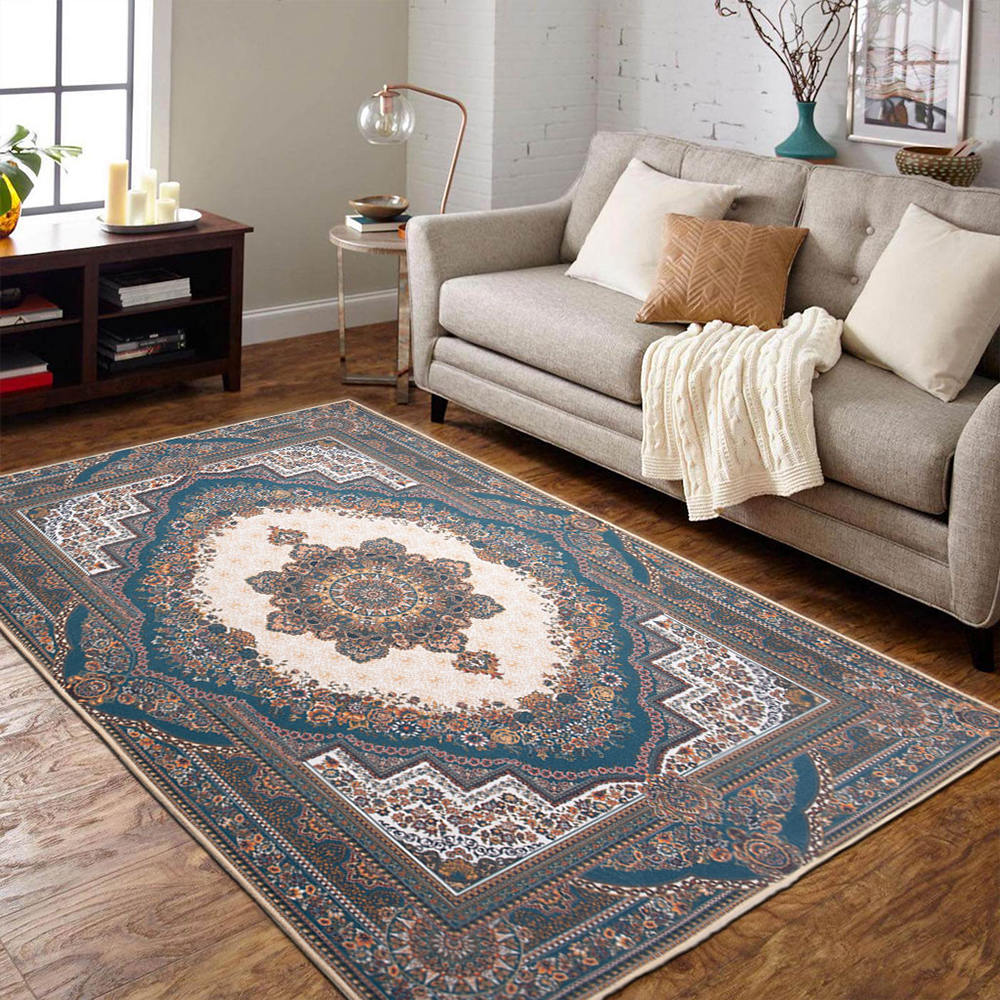
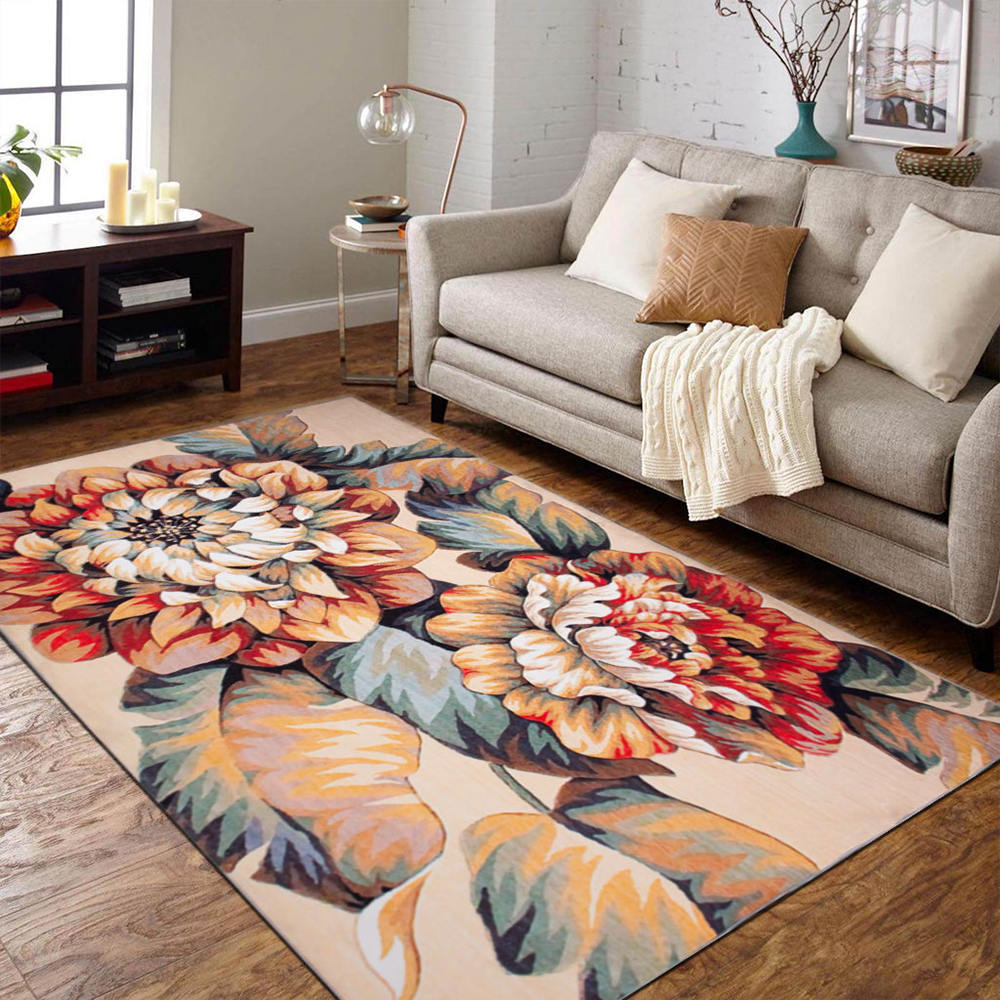
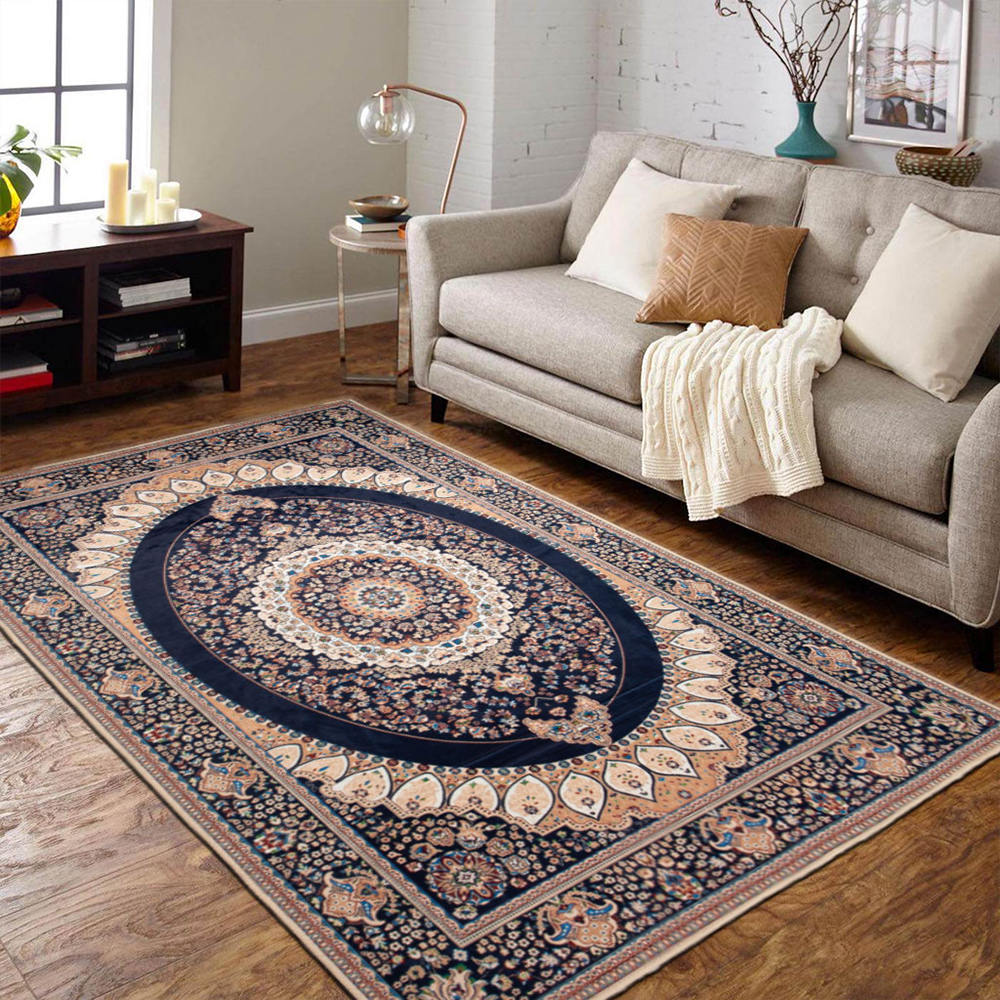
When selecting a living room rug, the pattern should complement—not compete with—your upholstery.
To achieve a "designer" look, the orientation of your living room rug must be calculated based on the room’s dimensions:
A quality living room rug is an investment. To ensure it stands the test of time, look for Hand-Tufted or Hand-Knotted constructions over machine-made options if your budget allows. These methods secure the fibers more effectively, preventing shedding and ensuring the rug can be professionally cleaned for decades.
The right living room rug is the invisible thread that sews a room’s disparate elements together. By focusing on the intersection of fiber science, scale, and spatial layout, you can transform a simple seating area into a masterpiece of comfort and style.

ADD: No.75 Zhenyuan Road, Yuecheng District, Shaoxing City, Zhejiang Province, China 312000

Tel : +86-189 6750 9795

FAX : +86-0575-8803 2773

Email : fisher@benetextile.com

Copyright © Zhejiang Benyi Textile Technology Co., Ltd. All Rights Reserved. Carpets and Rugs Manufacturer

 English
 Français
 Deutsch
 عربى
عربى