

Industry News
 2026.09.18
 Industry News
Content
Waterproof carpet is a type of flooring built with a solid, non-porous backing that stops liquid from soaking through to the subfloor. Unlike traditional carpet, which absorbs spills into the padding and base layer, waterproof carpet uses materials like solution-dyed polyester, polypropylene fibers, or a rubberized backing to create a barrier. This means a spilled glass of juice, a muddy paw print, or even a small flood can sit on the surface long enough for you to clean it up without it ever reaching the floor underneath.
It's worth noting that "waterproof" and "water-resistant" are often used loosely by manufacturers, so understanding the actual construction of the carpet matters more than the label on the package. True waterproof carpet typically pairs waterproof fibers with a sealed, impermeable backing, giving you protection from both above and below.
The growing popularity of waterproof carpet comes down to lifestyle. Families with young kids, pet owners, and people living in humid or flood-prone areas are all looking for flooring that can handle daily accidents without turning into a maintenance headache. Waterproof carpet delivers the softness and warmth people love about traditional carpet while removing the constant worry about permanent stains or mold growth.
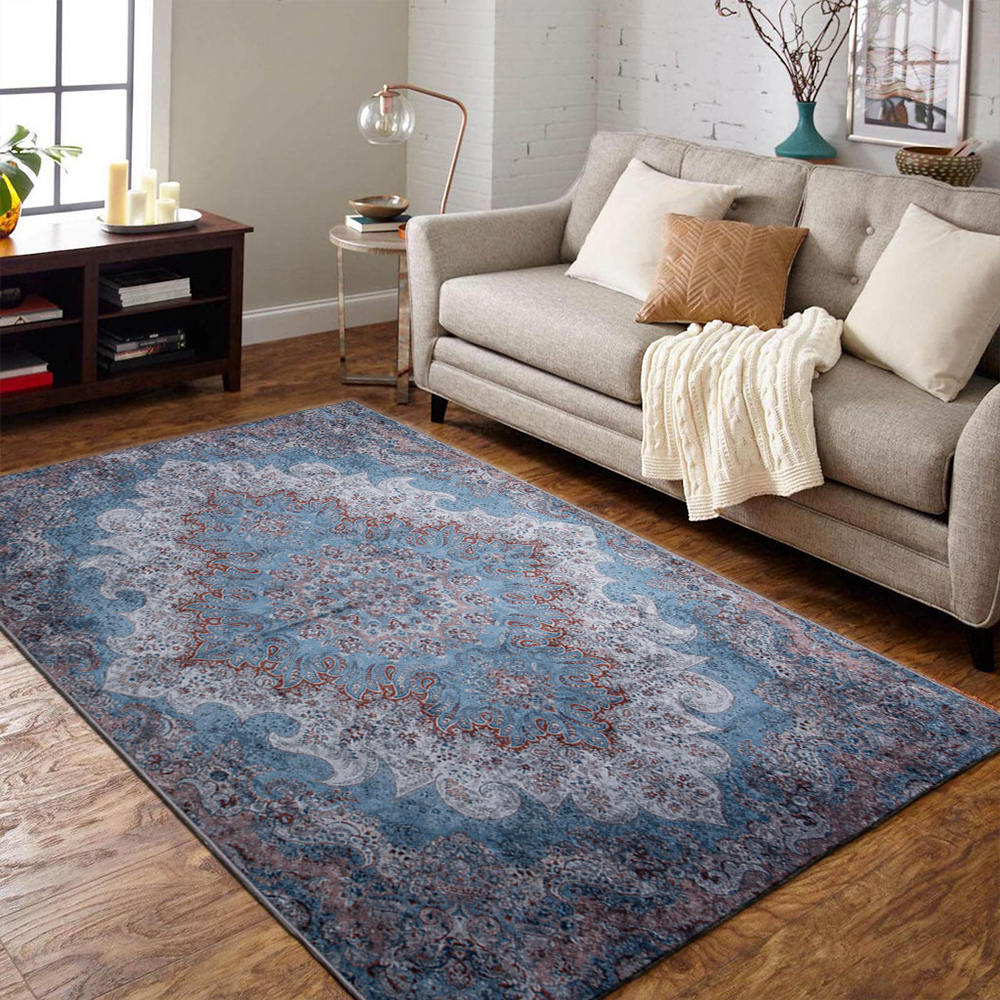
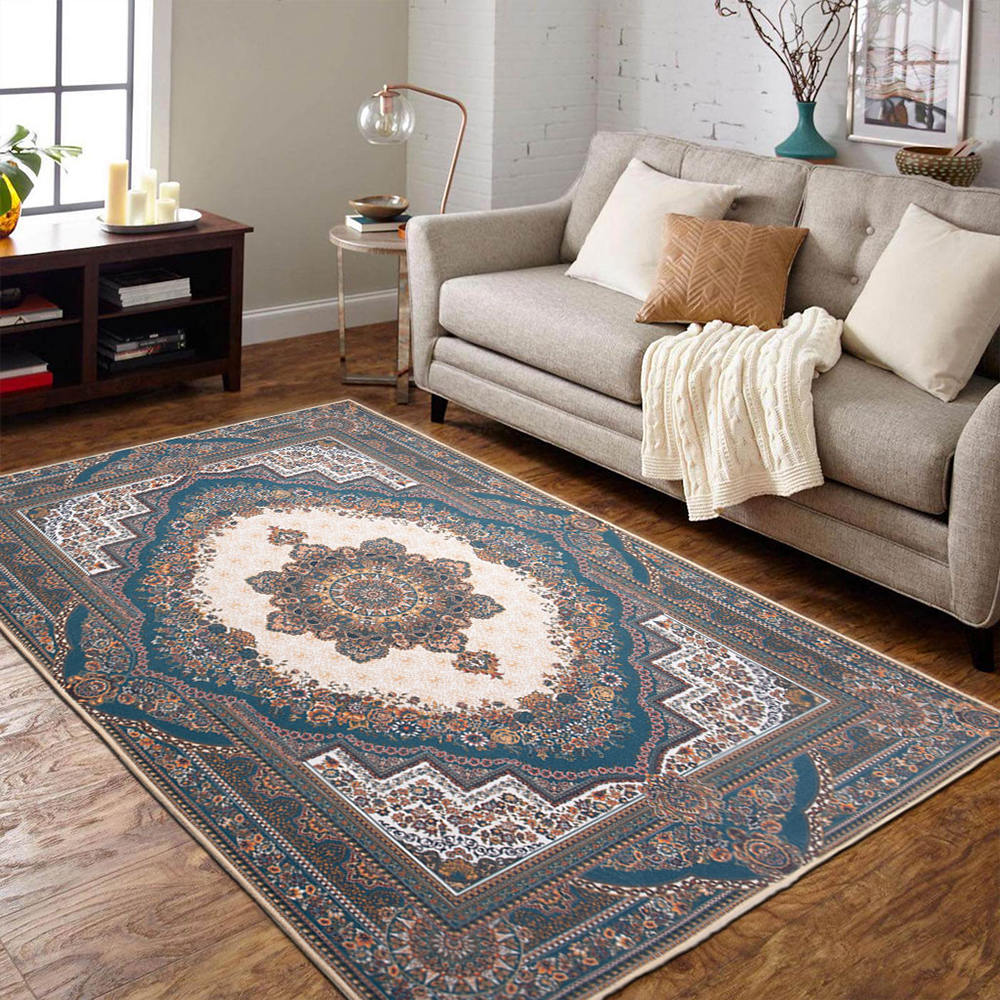
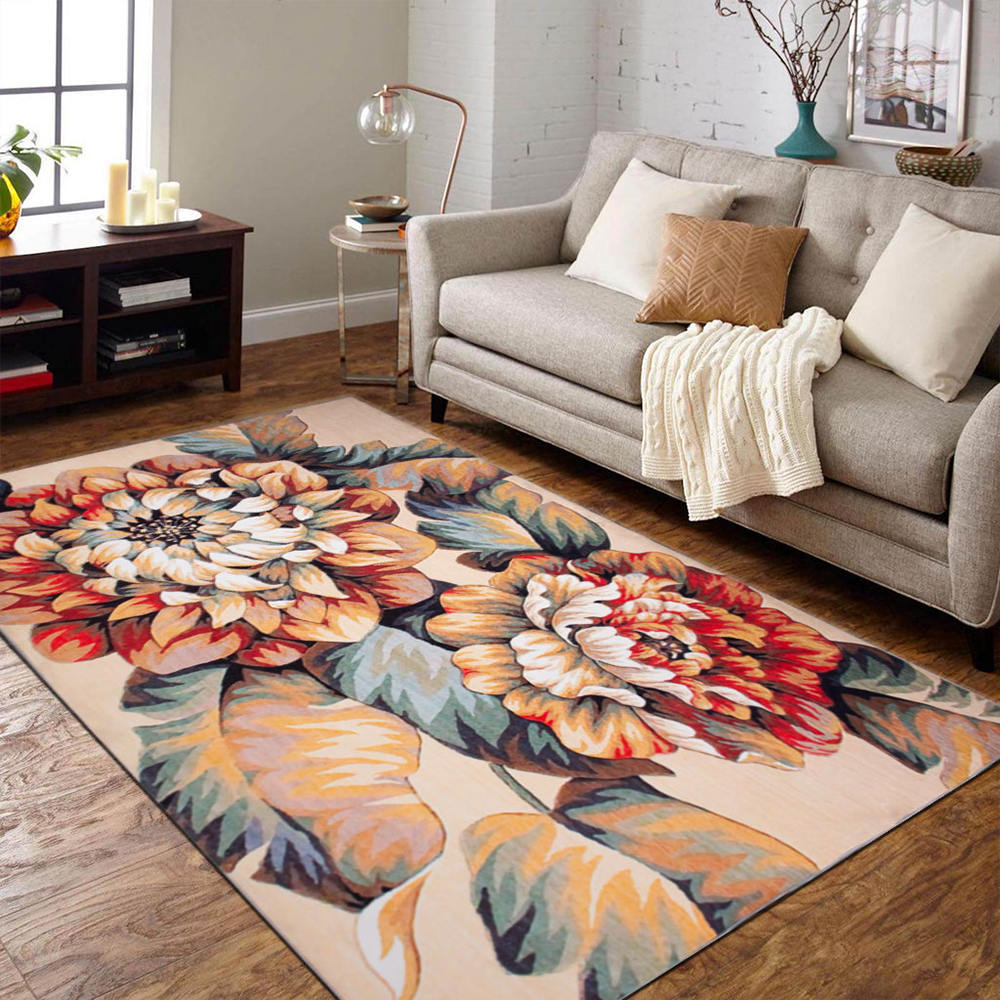
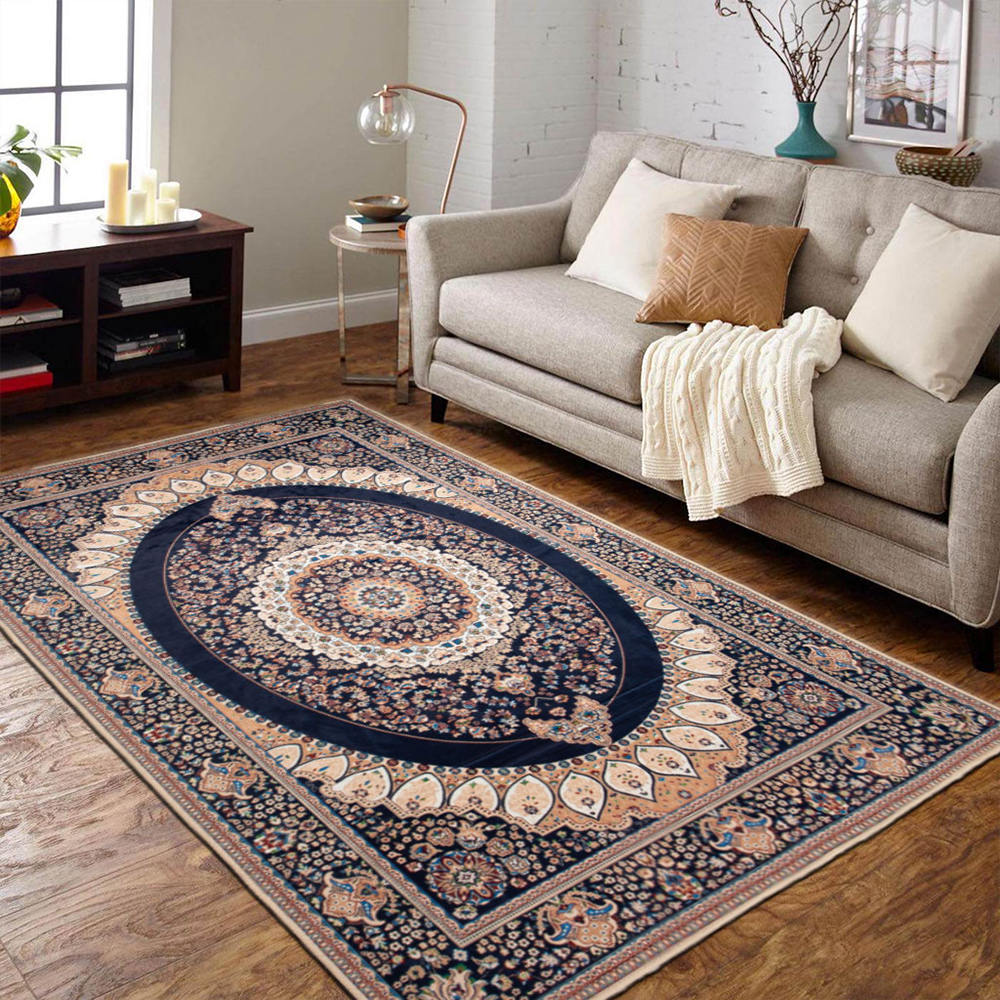
Another reason for the shift is that waterproof carpet has become far more stylish in recent years. Early versions were limited to basic colors and thin textures, but today's waterproof carpet options include plush piles, patterned designs, and a wide range of colors that rival standard carpet lines.
Not every room needs waterproof carpet, but certain spaces benefit enormously from it. Basements, playrooms, and bedrooms for young children are prime candidates because these are the areas most exposed to spills, leaks, or humidity. Waterproof carpet is also a smart choice for homes with pets, since it resists staining from accidents and holds up better against scratching and moisture from wet fur.
Waterproof carpet is made using a few different fiber and backing combinations, each with its own strengths. Comparing them side by side makes it easier to pick the right one for your budget and needs.
| Material Type | Water Protection Level | Best For | Average Price Range |
| Solution-Dyed Polyester | High | Family rooms, bedrooms | $2 - $4 per sq ft |
| Polypropylene (Olefin) | Medium-High | Basements, playrooms | $1.50 - $3 per sq ft |
| Rubber-Backed Carpet | Very High | Pet areas, entryways | $3 - $6 per sq ft |
| Waterproof Carpet Tiles | High | DIY projects, rentals | $2.50 - $5 per sq ft |
Choosing waterproof carpet starts with thinking about how the room will actually be used. A basement that occasionally deals with dampness needs a different level of protection than a nursery where the main concern is spilled bottles or diaper accidents. Pile height also matters: shorter, denser piles tend to dry faster and resist matting, while longer piles offer more cushioning but can trap moisture near the base if not properly backed.
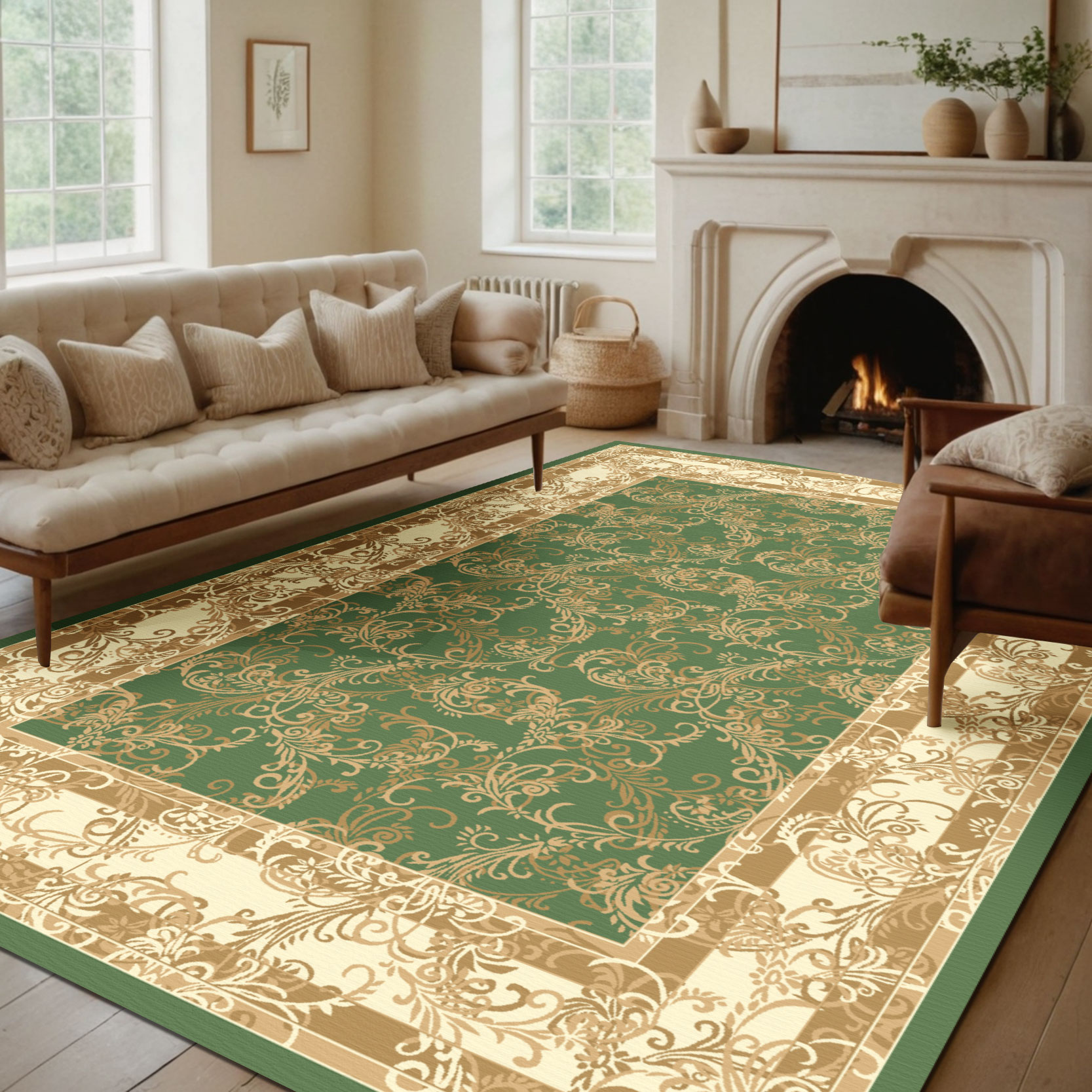
Even the best waterproof carpet won't perform well if it's installed incorrectly. Proper installation starts with a clean, dry, and level subfloor, since trapped moisture underneath the carpet before installation can lead to odor problems later. Many waterproof carpet products are designed to be glued directly to the subfloor rather than stretched over padding, which helps eliminate the gaps where water could otherwise pool.
If you're installing waterproof carpet tiles yourself, pay close attention to seam placement. Tiles should be pressed firmly together with minimal gaps, and any adhesive should be applied evenly to avoid weak spots where liquid could seep through over time.
One of the biggest advantages of waterproof carpet is how easy it is to keep clean. Most spills can be wiped up with a cloth or paper towel before they have any chance to set, and routine vacuuming keeps the fibers looking fresh. That said, waterproof carpet still benefits from a regular care routine to keep it performing well for years.
A common mistake is assuming that any carpet labeled "stain-resistant" is the same as waterproof carpet. Stain resistance only slows down absorption, while true waterproof carpet actively blocks liquid from reaching the backing and subfloor. Another mistake is skipping the padding question altogether; some waterproof carpet systems are designed to be installed without traditional padding, and using the wrong setup can reduce the product's water resistance.
Buyers also sometimes overlook ventilation needs in basements and other below-grade spaces. Even with waterproof carpet, a room with poor airflow can develop musty odors over time if excess humidity isn't addressed separately.
Pricing for waterproof carpet varies based on material, brand, and installation method. On average, homeowners can expect to pay somewhere between $1.50 and $6 per square foot for the carpet itself, with professional installation adding extra cost depending on room size and subfloor condition. While waterproof carpet often costs more upfront than standard carpet, many homeowners find it pays off through fewer replacements, less padding damage, and lower long-term cleaning costs.
Waterproof carpet offers a practical way to enjoy the comfort of soft flooring without constantly worrying about spills, pet accidents, or moisture damage. By understanding the different material types, checking backing quality, and following proper installation and care steps, you can choose a waterproof carpet that fits your household's needs and holds up for years to come.

ADD: No.75 Zhenyuan Road, Yuecheng District, Shaoxing City, Zhejiang Province, China 312000

Tel : +86-189 6750 9795

FAX : +86-0575-8803 2773

Email : fisher@benetextile.com

Copyright © Zhejiang Benyi Textile Technology Co., Ltd. All Rights Reserved. Carpets and Rugs Manufacturer

 English
 Français
 Deutsch
 عربى
عربى