

Industry News
 2026.10.22
 Industry News
A velvet printed carpet is one of the easiest ways to add color, pattern and a soft, rich feel to a room without a full makeover. Whether you call it a printed velvet carpet, a velvet print rug or a velvet carpet with a printed design, the idea is the same: a plush, smooth pile surface carrying a pattern such as florals, geometrics, marble effects or abstract art. This guide covers how these carpets are made, how to choose the right one, where to place it, and how to keep it looking good for years.
Content
A velvet printed carpet is a rug or carpet whose top layer is made from velvet-style fibers, with a design applied to the surface by printing rather than weaving. The fibers are usually short, dense and soft, which gives the carpet its smooth look and a slight sheen that changes as light hits it from different angles. Most modern versions use polyester or microfiber, while premium ones may use viscose or a blend that mimics silk.
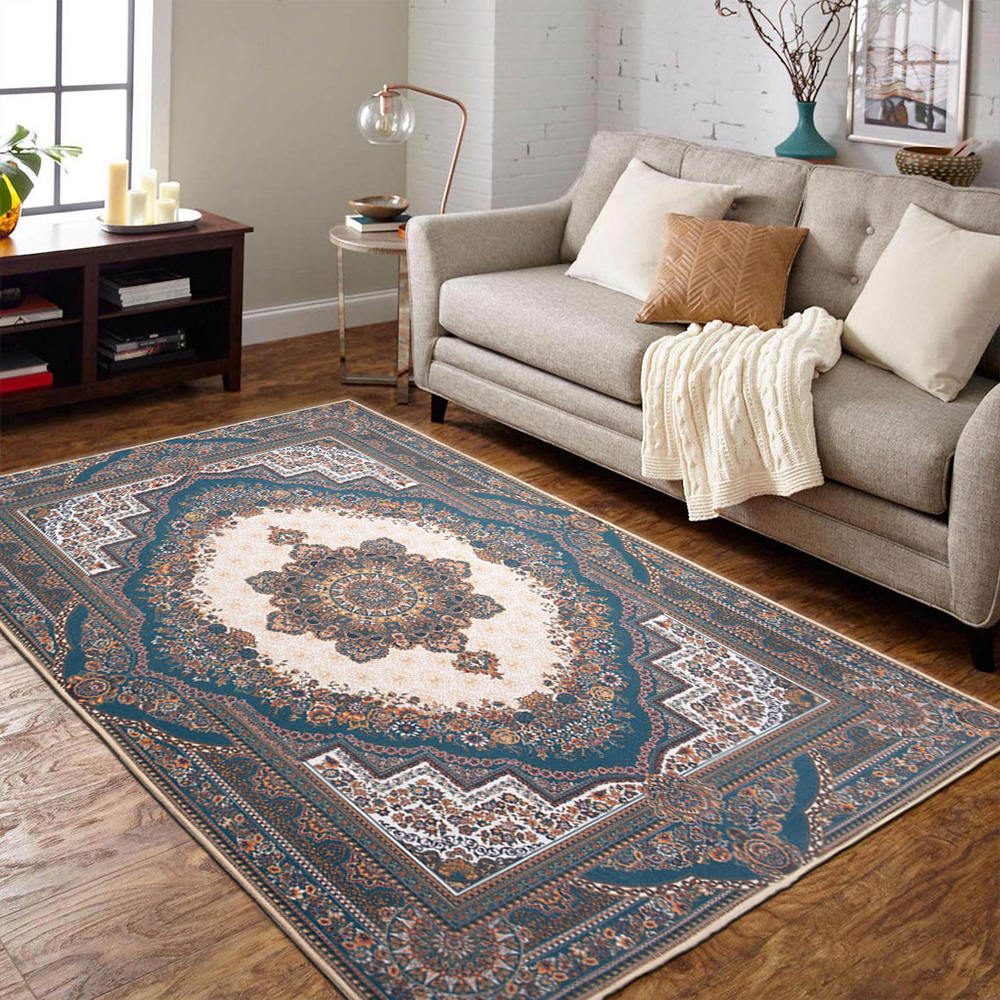
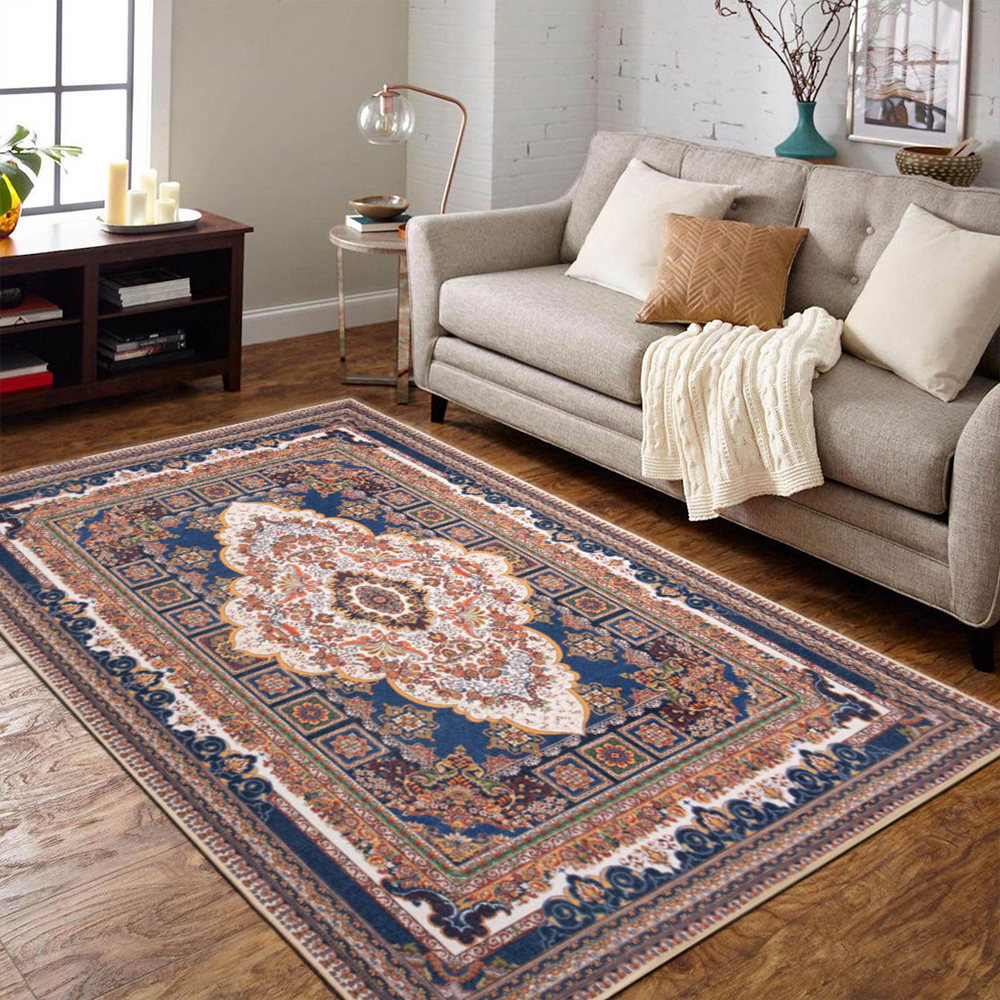
The printing is what sets this carpet apart from a plain velvet rug. Because the pattern is printed, makers can reproduce detailed images, gradients and bright colors that would be very expensive to weave by hand. That is why you will see photographic landscapes, watercolor effects and vintage Persian-style designs on velvet print carpets at affordable prices.
Buyers usually pick this type of carpet for a mix of comfort and style. Here are the main reasons it keeps growing in popularity:
Knowing the printing method helps you judge quality before you buy. The method affects how sharp the pattern looks, how long the color lasts and how the carpet feels.
Digital printing sprays ink directly onto the velvet surface using large industrial printers. It handles fine detail and gradients very well, so it is the common choice for photographic and artistic designs. The result is sharp and colorful, and short production runs are affordable.
With sublimation, the design is first printed on special paper and then pressed onto the carpet with heat. The dye turns into a gas and bonds with polyester fibers, which makes the color more resistant to fading and rubbing. This method works best on polyester velvet.
Screen printing pushes dye through a mesh stencil, one color at a time. It suits simple, bold designs with a limited color palette and is often used for large production batches. Fine gradients are harder to achieve this way.
| Printing Method | Best For | Detail Level | Color Durability |
| Digital printing | Artistic and photo designs | Very high | Good |
| Heat transfer | Polyester velvet carpets | High | Very good |
| Screen printing | Bold, simple patterns | Medium | Good |
Size is the most common mistake when buying a velvet print carpet. A rug that is too small makes the room look cluttered, while a well-sized one ties the furniture together. The table below gives practical starting points.
| Room or Area | Suggested Size | Placement Tip |
| Living room | 5 x 7 ft to 8 x 10 ft | Front legs of sofa and chairs sit on the carpet |
| Bedroom | 5 x 8 ft or 8 x 10 ft | Place under the lower two-thirds of the bed |
| Dining room | 8 x 10 ft or larger | Extend 24 inches past the table edge so chairs stay on it |
| Entryway or hallway | 2 x 6 ft runner | Leave a few inches of bare floor on each side |
Because velvet reflects light, colors on a printed velvet carpet often look slightly richer in person than they do on a screen. Order a small sample if the shop offers one, and look at it in the room at different times of day.
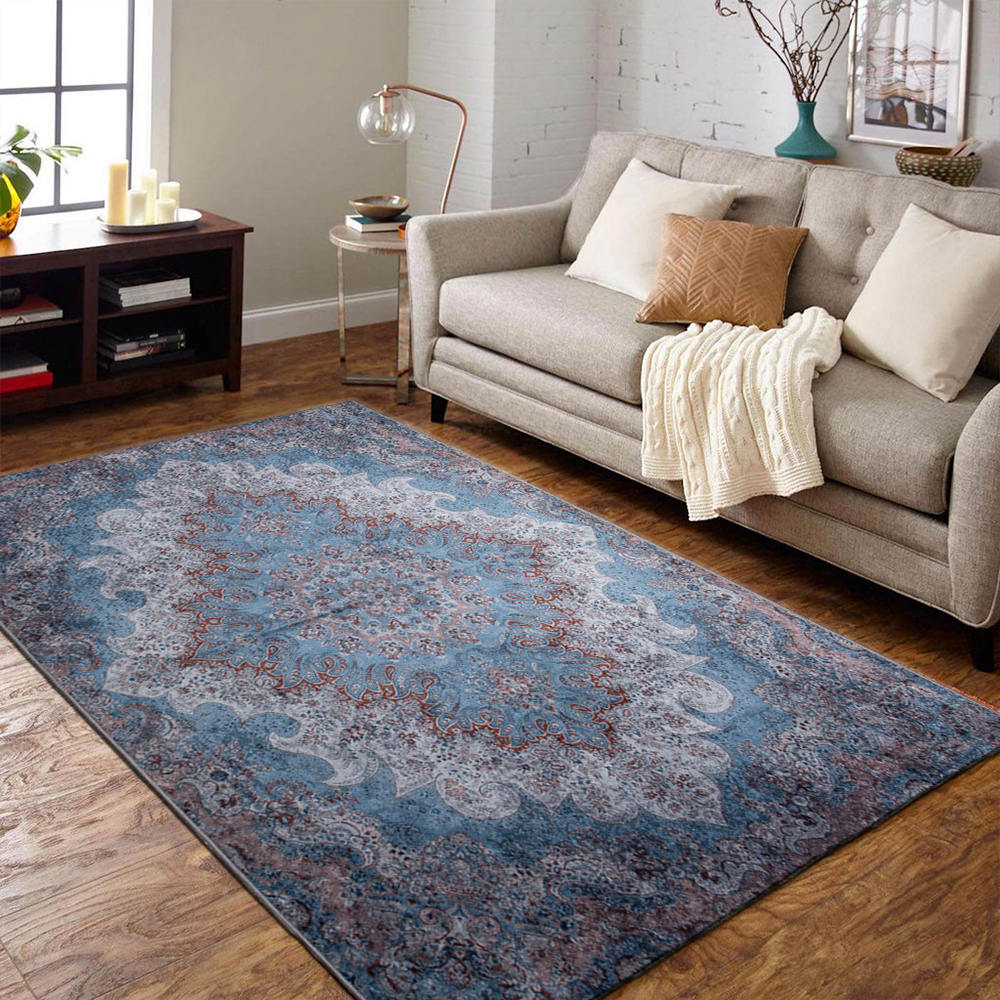
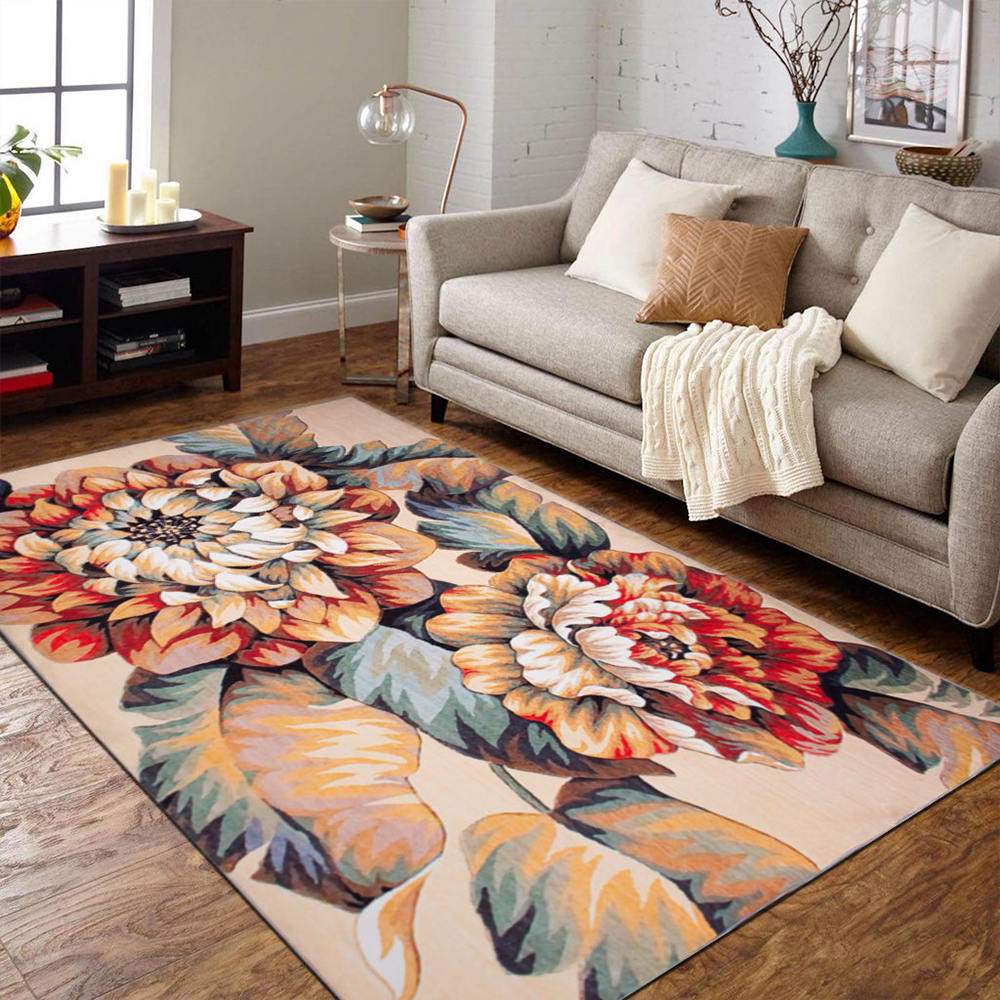
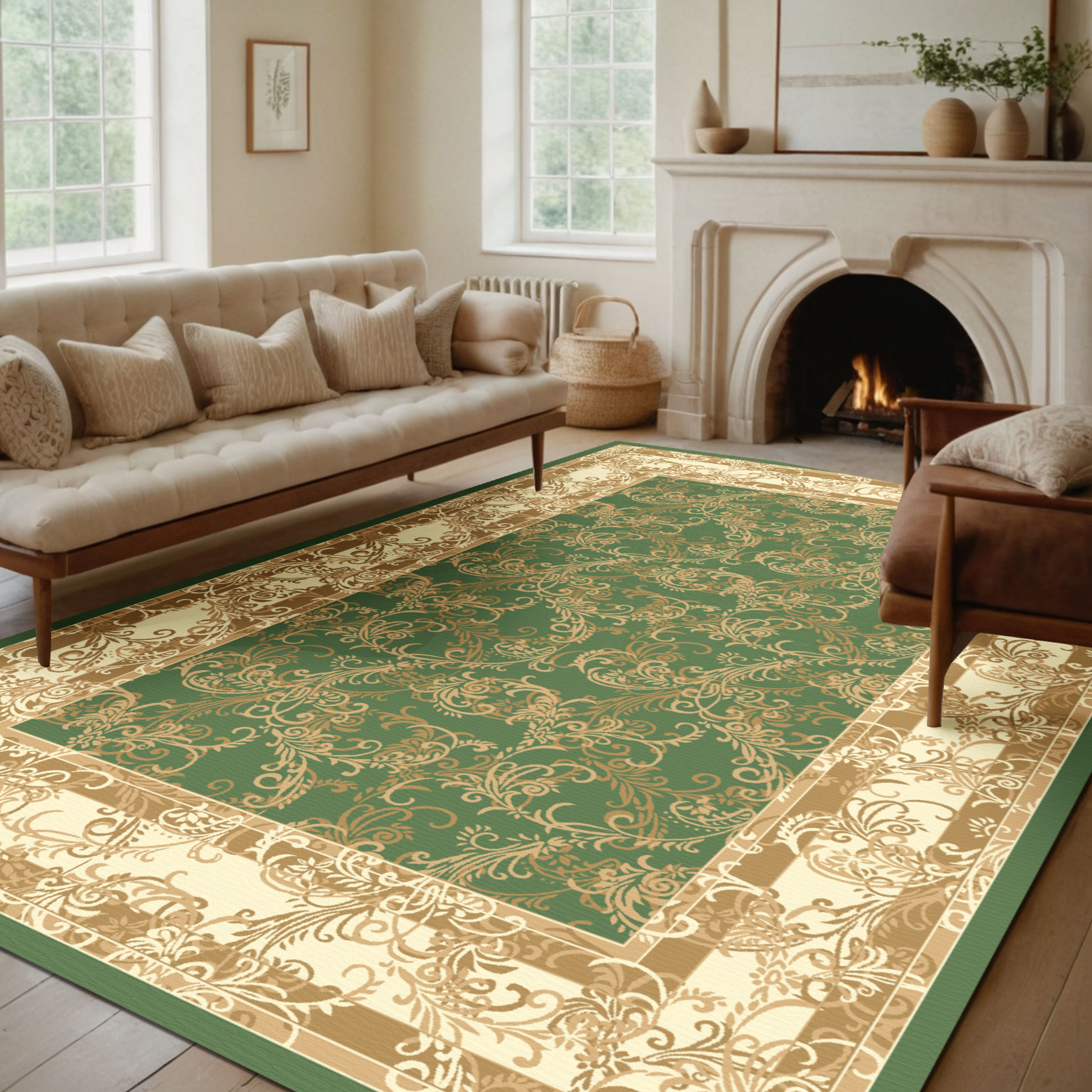
If your sofa and curtains already have patterns, choose a velvet printed carpet with a quiet, tone-on-tone design such as soft marble or faint geometrics. If your furniture is plain, a bold floral or abstract print can become the focal point of the room.

Two velvet printed carpets can look identical in photos but perform very differently. Check these details before you order:
Velvet print carpets shine in low to medium traffic areas. Bedrooms, living rooms, home offices, reading corners and dressing areas are ideal because the pile stays upright and the print stays crisp. In a busy entryway or a kitchen, the pile can flatten faster and dirt shows more, so choose a short pile and a darker, patterned design if you want to use one there.
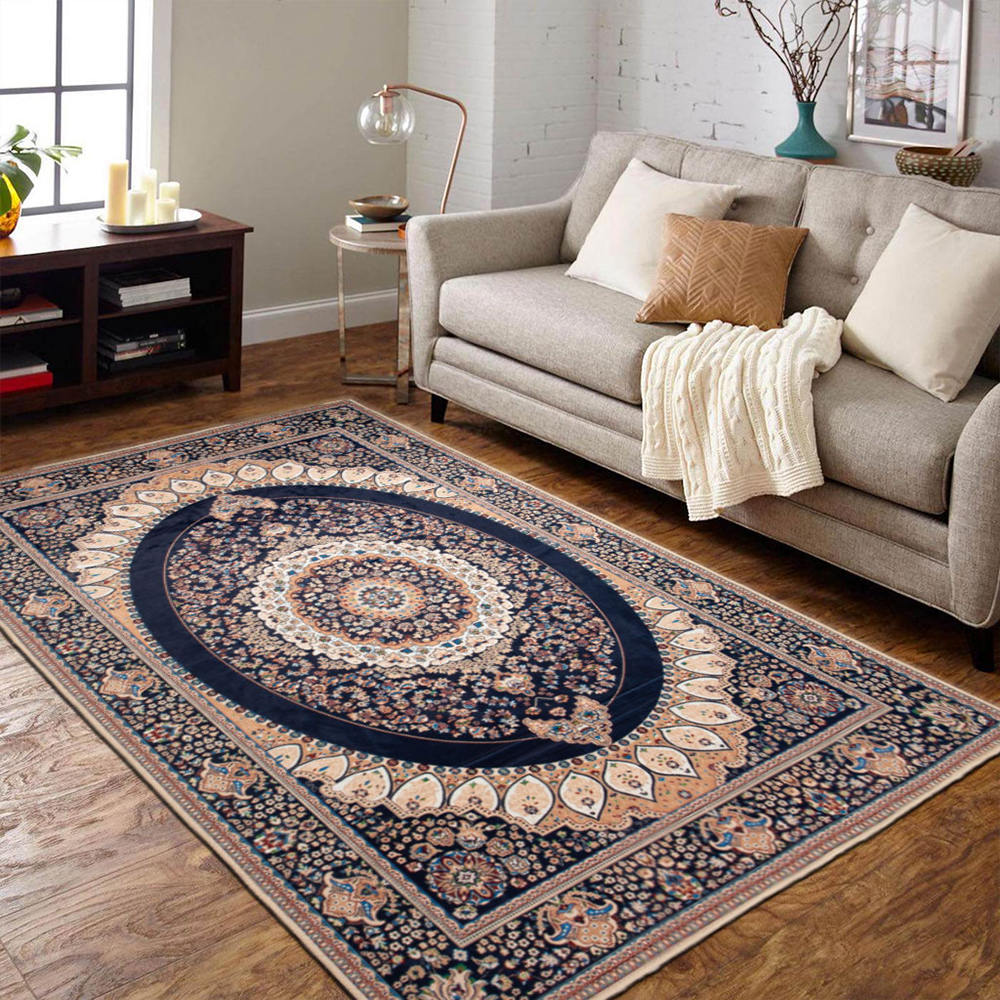
For homes with pets or small children, pick a print with mixed tones rather than a single pale color. Pet hair and crumbs blend into patterns much better than they do on a solid light surface.
Good care keeps the print bright and the pile soft. The routine is simple if you do it regularly.
Vacuum once or twice a week using suction only, or with the brush roll switched off, so the fibers do not get pulled or frayed. Move in the direction of the pile for a smooth, even finish. Rotate the carpet every few months so sunlight and foot traffic wear it evenly.
Direct afternoon sun is the biggest enemy of printed colors. Use curtains or sheer blinds in sunny rooms, and avoid leaving the carpet in the same bright spot all day, every day. Avoid steam cleaners and high heat unless the label says they are safe.
A velvet printed carpet gives you a soft surface, a rich look and a huge range of designs at a sensible price. Focus on the practical points: the right size for the room, a print that suits your furniture, a non-slip backing, a pile height that is easy to clean and a care routine you can keep up with. Get these right, and a printed velvet carpet will stay a comfortable, good-looking part of your home for years.

ADD: No.75 Zhenyuan Road, Yuecheng District, Shaoxing City, Zhejiang Province, China 312000

Tel : +86-189 6750 9795

FAX : +86-0575-8803 2773

Email : fisher@benetextile.com

Copyright © Zhejiang Benyi Textile Technology Co., Ltd. All Rights Reserved. Carpets and Rugs Manufacturer

 English
 Français
 Deutsch
 عربى