

Industry News
 2026.10.10
 Industry News
Content
A velvet carpet isn't a specific fiber like wool or nylon — it's actually a weaving technique. The pile is cut short and dense, then brushed in one direction so the surface catches light and shows a soft, almost shimmering texture. That's why a velvet carpet looks slightly darker or lighter depending on which angle you view it from, and why it feels noticeably plush underfoot compared to a flat-weave or loop-pile rug. Velvet carpets can be made from natural fibers like wool or silk, or from synthetic materials like polyester and viscose, which is why prices and durability can vary so much from one velvet carpet to another.
The appeal is simple: a velvet carpet instantly makes a room feel more finished and luxurious. Designers often use it in bedrooms, formal living rooms, or hotel lobbies because the dense pile absorbs sound, softens footsteps, and adds a visual richness that flat carpets can't match. But that same plush construction also means a velvet carpet behaves differently when it comes to cleaning, foot traffic, and long-term wear, which is exactly what the rest of this guide covers.
Because velvet carpet shows footprints and wears faster under heavy traffic, room choice matters a lot. It thrives in low-to-moderate traffic spaces where people are more likely to sit, lie down, or walk in socks rather than run through constantly.
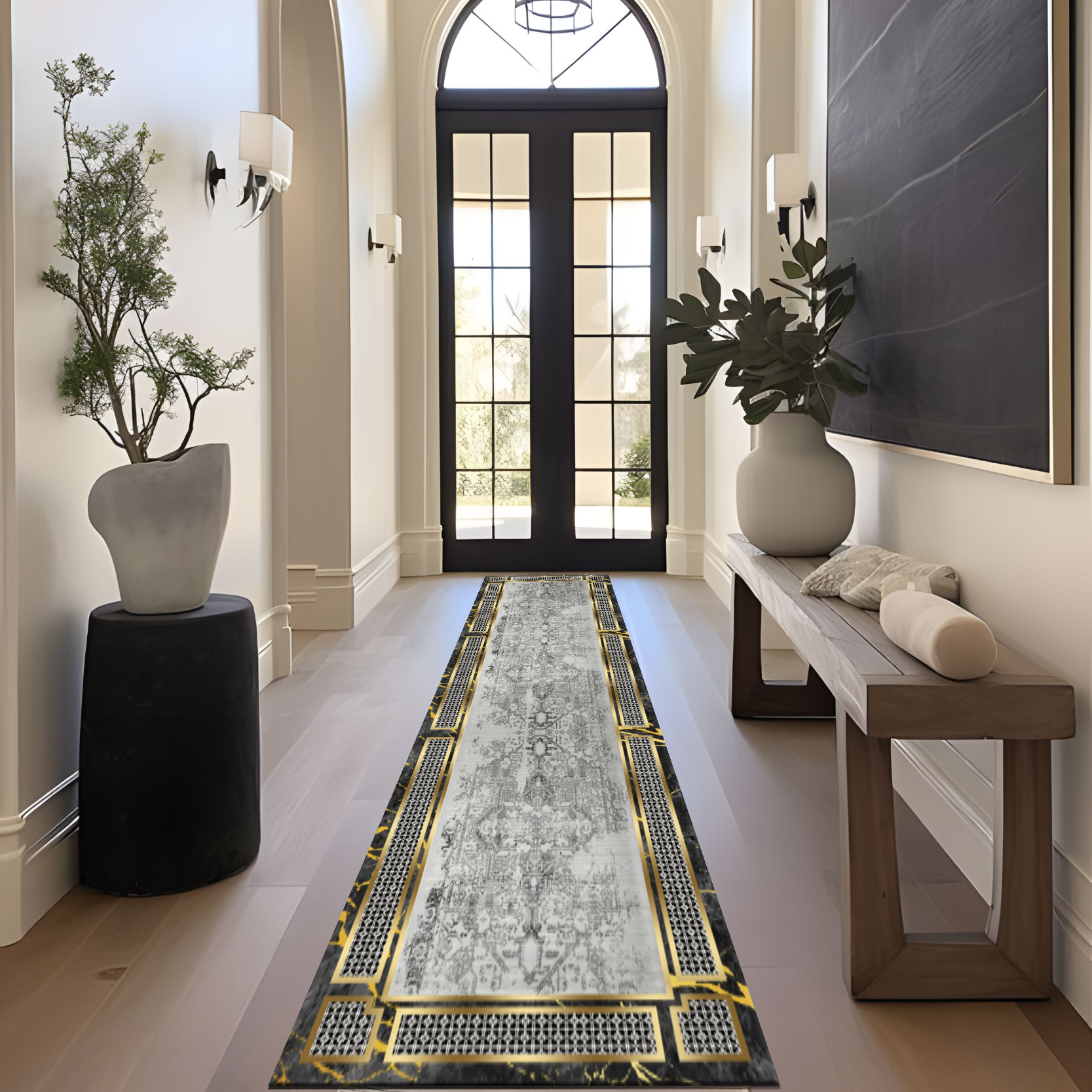
Bedrooms are the classic choice, since a velvet carpet feels amazing against bare feet first thing in the morning. Formal living rooms, home offices, and reading nooks also work well, especially if the furniture layout naturally limits foot traffic to a few defined paths. Avoid placing a velvet carpet in entryways, hallways, or in front of the kitchen sink — these are exactly the spots where its soft pile will flatten and show dirt the fastest.
Velvet carpet care is really about being gentle and consistent rather than doing anything complicated. Skipping regular maintenance is the number one reason people end up disappointed with how their velvet carpet looks after a year or two.
Vacuum your velvet carpet at least once or twice a week using a suction-only setting or a soft brush attachment. Avoid vacuums with aggressive beater bars, since they can pull and distort the short pile. Always vacuum in the direction the pile naturally lies to keep the surface looking even and avoid patchy shading.
Blot spills immediately with a clean, dry cloth — never rub, since rubbing pushes liquid deeper into the fibers and can crush the pile. For most stains, a small amount of mild detergent mixed with cool water works better than harsh chemical cleaners, which can strip the sheen right off a velvet carpet. Test any cleaning solution on a hidden corner first.
Every six to twelve months, consider a professional steam or dry-cleaning service that specializes in delicate pile carpets. Rotate furniture occasionally so the same spots aren't always bearing weight, and use furniture coasters under heavy legs to prevent permanent indentations in the velvet carpet's pile.
If you're still deciding whether velvet carpet is the right fit, comparing it directly against other common options makes the trade-offs much clearer.
| Carpet Type | Softness | Durability | Best Room |
| Velvet Carpet | Very High | Moderate | Bedroom, Living Room |
| Berber Loop | Low | Very High | Hallway, Stairs |
| Frieze | Medium | High | Family Room |
| Sisal/Jute | Low | High | Entryway, Office |
Not all velvet carpets are created equal, and a few quick checks before purchase can save you from regret later. Pay attention to the following before you commit to a size, color, or material.
Most velvet carpet complaints come down to a handful of avoidable mistakes rather than a flaw in the product itself. Skipping a doormat at the entrance to the room lets dirt and grit grind into the pile, which dulls the surface faster than almost anything else. Using a steam mop or excessive water to spot-clean a velvet carpet is another common error, since too much moisture can cause the backing to warp or the color to bleed.
People also tend to place heavy furniture without any protection, leaving permanent dents in the pile that are nearly impossible to reverse. Finally, many buyers choose a velvet carpet for a high-traffic hallway simply because they love the look, then feel disappointed when it wears out faster than expected. Matching the carpet to the right room from the start is the single easiest way to keep a velvet carpet looking great for years.

ADD: No.75 Zhenyuan Road, Yuecheng District, Shaoxing City, Zhejiang Province, China 312000

Tel : +86-189 6750 9795

FAX : +86-0575-8803 2773

Email : fisher@benetextile.com

Copyright © Zhejiang Benyi Textile Technology Co., Ltd. All Rights Reserved. Carpets and Rugs Manufacturer

 English
 Français
 Deutsch
 عربى
عربى