

Industry News
 Home / News / Industry News / Chenille Printed Carpet Wholesale Guide: Specs, MOQ, Quality Checks and Sourcing Tips
 2026.11.20
 Industry News
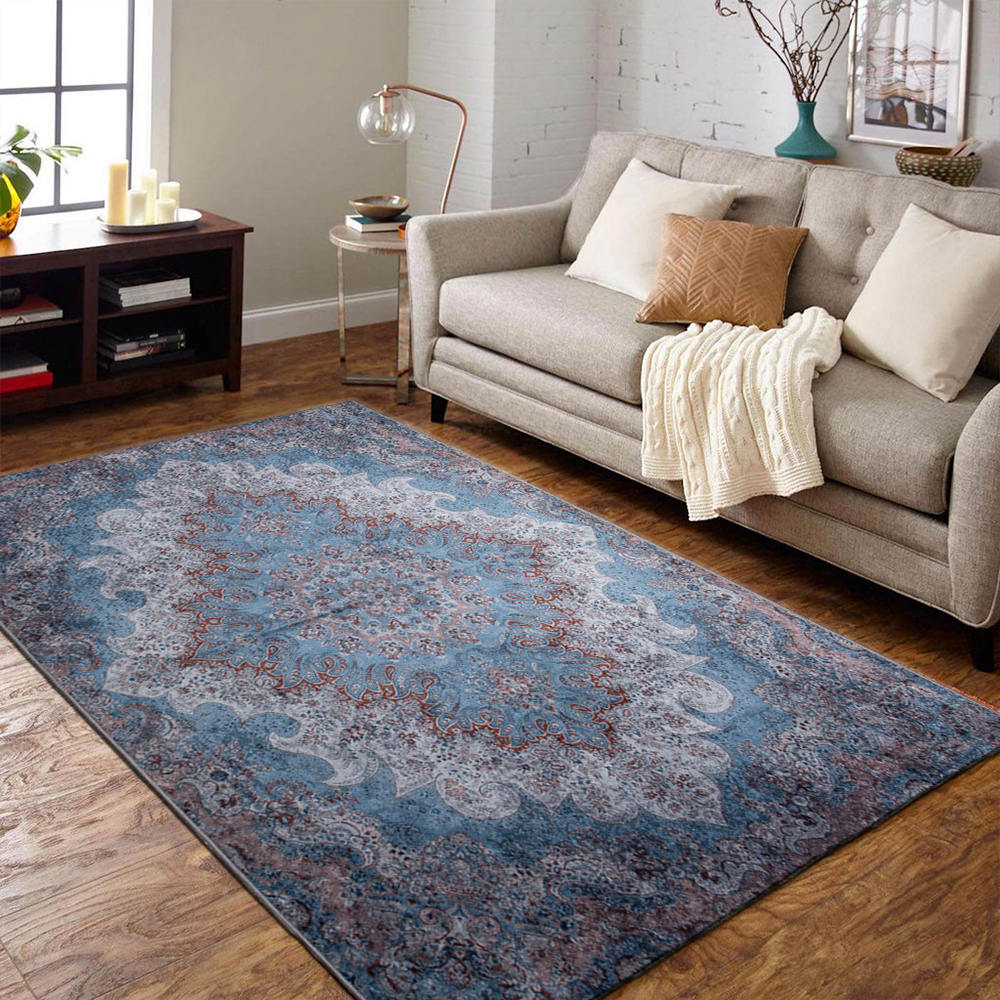
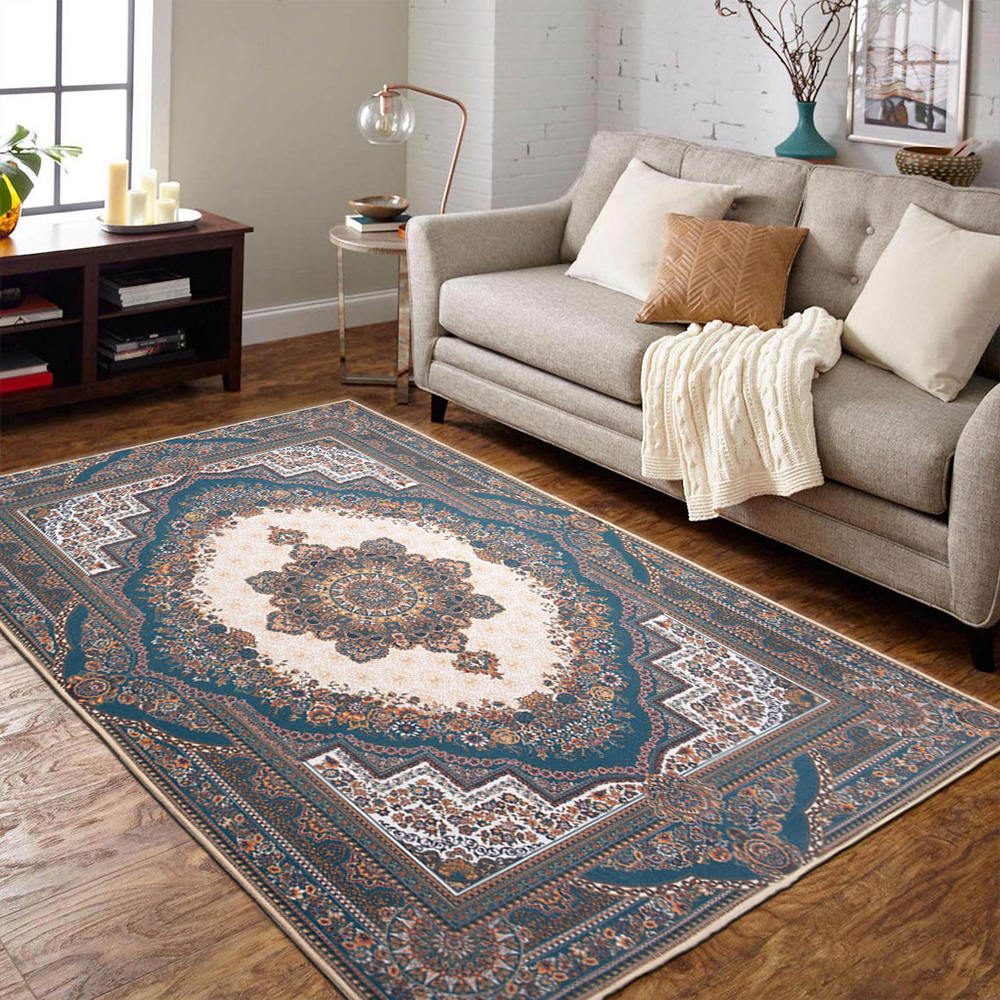
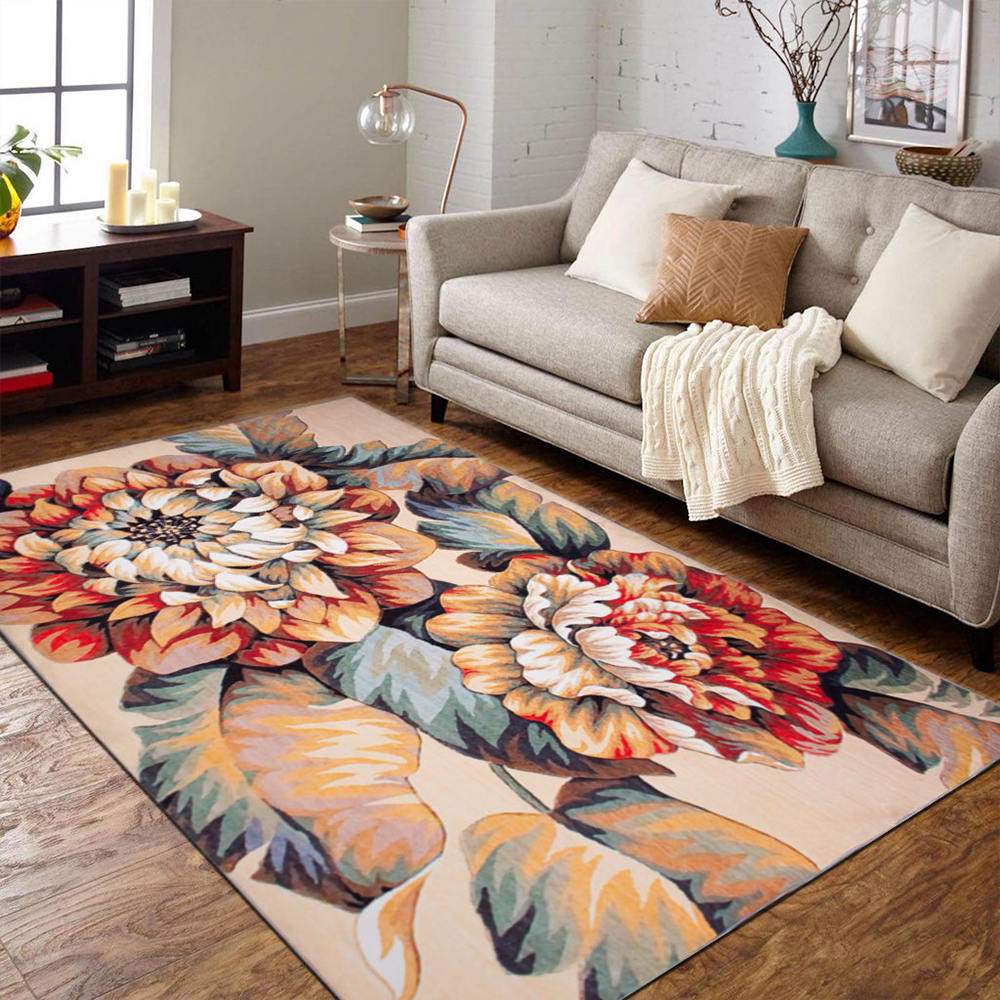
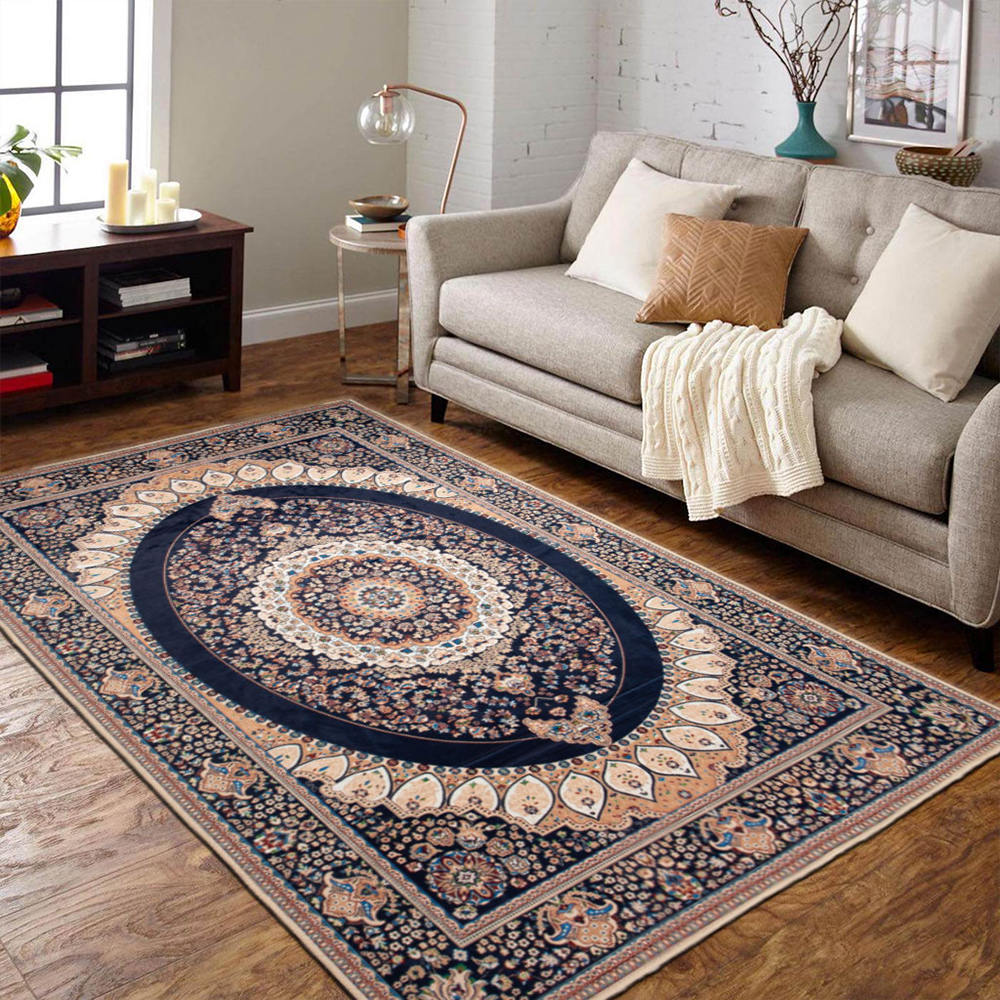
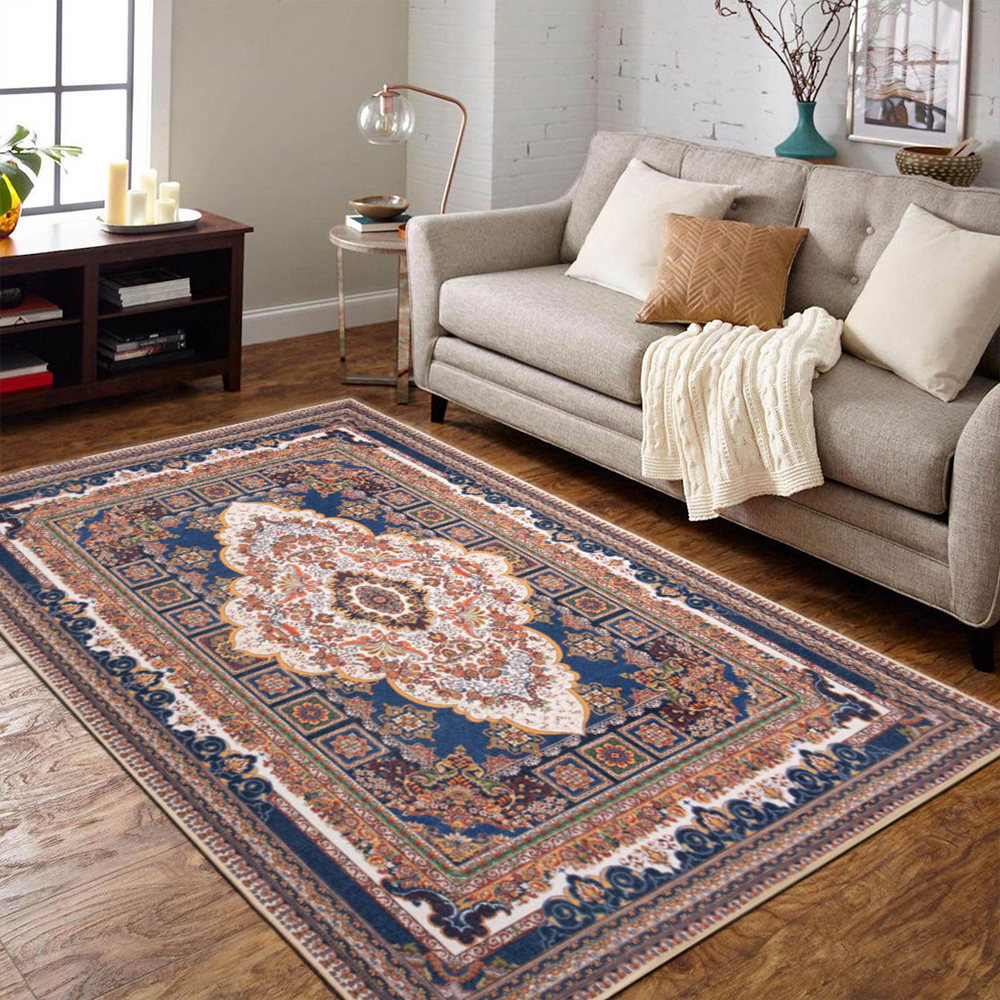
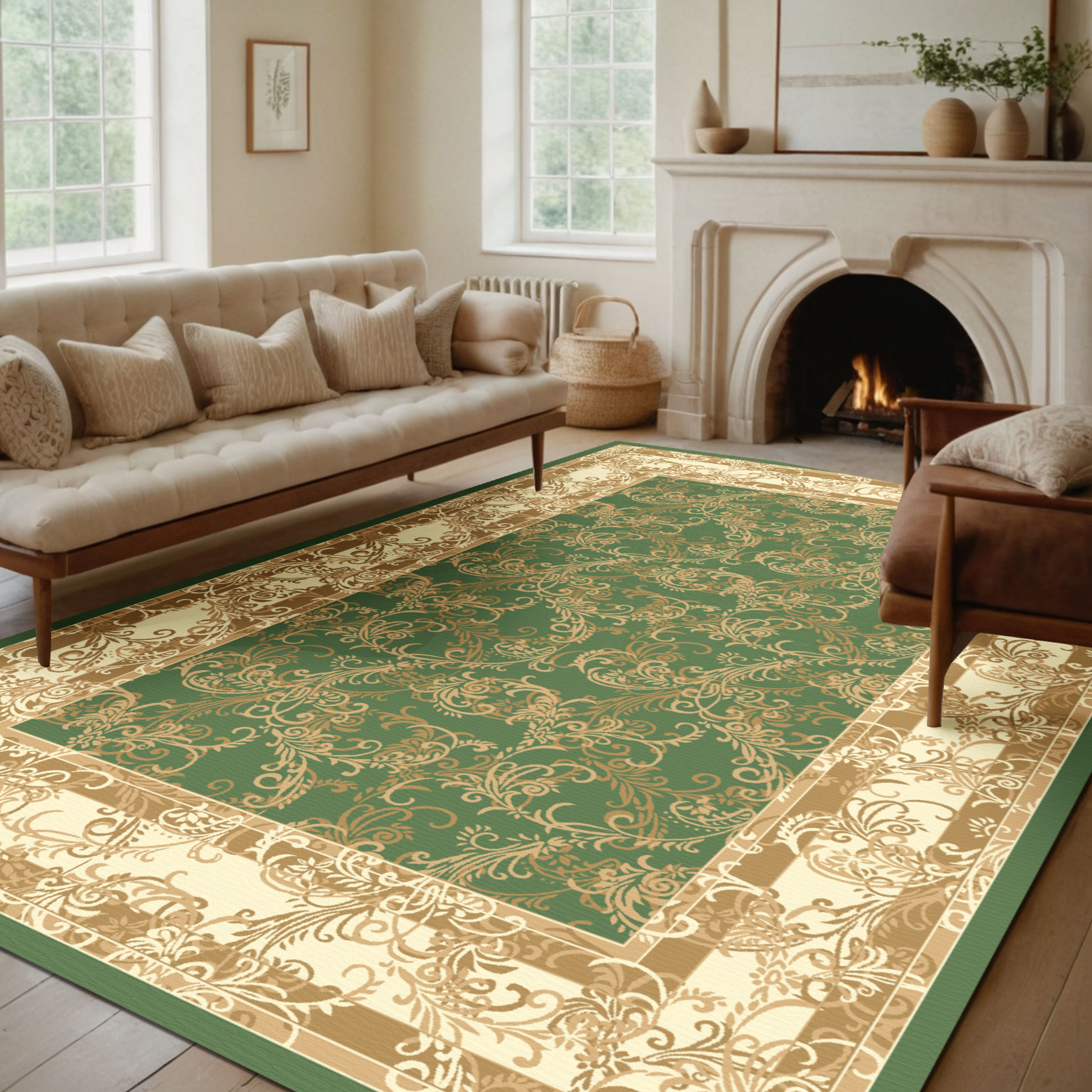
Chenille printed carpet has become a steady seller for home textile retailers, online sellers, hotel suppliers and interior project companies. It offers a soft, velvety hand feel, a wide range of designs and a price point that fits both mid-range and budget collections. But buying it in bulk is very different from buying a single rug. Fiber quality, print consistency, backing, packaging and delivery timing all affect your margins and your return rate. This guide walks through what B2B buyers should check before placing an order with a chenille printed carpet supplier.
Content
Chenille yarn has a dense, fuzzy pile that feels like velvet, and this texture gives the carpet a premium look even at a low cost. Printing technology makes it possible to produce hundreds of designs on the same base fabric, which means a supplier can launch new patterns quickly and follow seasonal trends. For buyers, this translates into lower design risk and faster inventory turnover.
Many disputes in bulk orders come from unclear specifications. Before you approve a quotation, ask the supplier to list every parameter in writing and match it to the sample you received. The table below shows the main points to confirm.
| Specification | Common Options | Why It Matters |
| Fiber content | 100% polyester, cotton blend, acrylic blend | Affects softness, stain resistance and price |
| Weight (GSM) | 1,500 to 3,500 g/sqm | Heavier rugs feel more premium but cost more to ship |
| Pile height | 5 mm to 12 mm | Low pile suits washing and hotels, high pile suits home comfort |
| Backing | Latex, TPR, non-woven, cotton | Controls slip resistance and washability |
| Standard sizes | 60x90 cm, 120x170 cm, 160x230 cm, 200x300 cm, runners | Determines market fit and packaging efficiency |
The printing method used on a chenille patterned carpet directly affects your minimum order quantity, lead time and design flexibility. Understanding the difference helps you negotiate better and choose the right process for each product line.
Digital printing applies the design with inkjet technology, so there are no screens or plates to make. This allows small MOQs, often a few hundred pieces per design, fast sampling and highly detailed or photographic patterns. It is the best choice for testing new designs, private label collections and custom chenille print rugs. The unit cost is usually higher than screen printing at large volumes.
Rotary printing uses engraved cylinders and is built for long runs. The setup cost is higher and the MOQ is larger, but the per-meter cost drops sharply for best-selling designs. Color matching is stable across large batches, which makes this method suitable for evergreen patterns that you plan to reorder many times.
Pricing for bulk chenille printed carpet is shaped by fiber cost, fabric weight, print method, backing type, size and packaging. Exchange rates and shipping costs also change the final landed price, so always compare quotes on the same trade terms, such as FOB or CIF, and the same specifications.

Quality problems in a chenille printed carpet shipment are expensive because they show up after the goods have reached your warehouse or customers. Set clear acceptance standards in the purchase contract and arrange inspection before shipment, either through your own team or a third-party inspector.
Request test reports for color fastness to washing, rubbing and light. Compare production pieces against the approved sample under the same lighting, and agree on an acceptable color difference grade in advance. Check that the print edges are sharp and that the pattern does not shift from one rug to the next.
Rub the surface by hand to test for excessive fiber shedding, and bend the rug to check that the latex backing does not crack or peel. For washable styles, ask for a wash test showing shrinkage within a stated tolerance, usually 3% or less. Measure a sample of pieces from each size to confirm the length and width match the order.
Different markets have different rules, so confirm what your destination requires before production starts. Common requests include OEKO-TEX Standard 100 for harmful substances, REACH compliance for the EU, flammability tests for hospitality use and CPSIA-related requirements for products aimed at children in the United States. A reliable supplier should provide valid test reports and be willing to update labels with your brand name, care symbols and country of origin.
Packaging also affects your costs. Rolled and vacuum-packed rugs save container space and reduce freight, while flat boxed packaging protects the product better for retail display. Ask for carton dimensions, weight per carton and pieces per 20-foot or 40-foot container so you can calculate landed cost per unit accurately.
Instead of ordering a large quantity of one design, start with a balanced assortment: a few neutral vintage patterns for steady demand, some modern geometric prints for trend-driven buyers, and two or three sizes that cover the main use cases. Track sell-through for 60 to 90 days, then reorder the winners and replace slow designs. Offering matching runners and smaller accent rugs in the same pattern increases the average order value and makes your collection look more complete.
Seasonal planning also matters. Lighter colors and floral prints tend to perform better in spring, while deeper tones and cozy textures sell well from autumn into winter. Place orders early enough to allow for production and shipping before peak season so you are not forced to pay for air freight.
Successful bulk buying of chenille printed carpet comes down to clear specifications, the right printing method, realistic lead times and strict quality control. Start with samples, confirm test reports, compare landed costs instead of unit prices alone, and build a long-term relationship with a supplier who can grow with your business. With these steps in place, a chenille printed carpet line can deliver reliable margins and repeat orders for your brand or project.

ADD: No.75 Zhenyuan Road, Yuecheng District, Shaoxing City, Zhejiang Province, China 312000

Tel : +86-189 6750 9795

FAX : +86-0575-8803 2773

Email : fisher@benetextile.com

Copyright © Zhejiang Benyi Textile Technology Co., Ltd. All Rights Reserved. Carpets and Rugs Manufacturer

 English
 Français
 Deutsch
 عربى